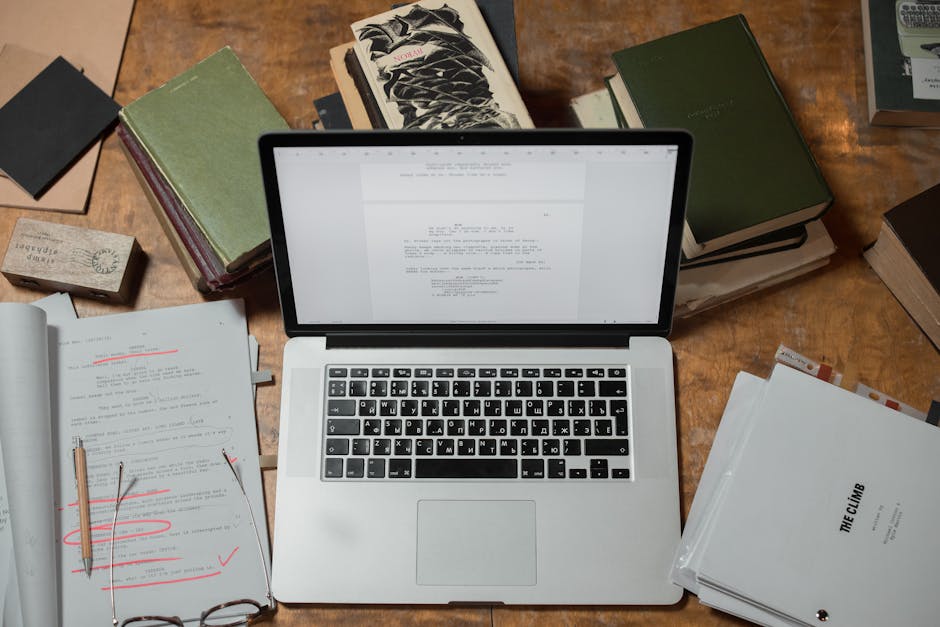
A book editor is a professional who reads your manuscript and helps you make it better. They catch problems you missed, suggest structural changes, fix grammar and clarity issues, and ultimately help you reach readers with a polished, confident book.
But "book editor" covers a lot of ground. The work they do changes depending on your manuscript's stage and the type of editing you hire them for. Understanding these differences helps you know exactly what to expect and when you actually need editorial support.
The Core Job: What Book Editors Actually Do
At their heart, book editors identify what's working in your manuscript and what isn't. They read critically, spot patterns, and give you honest feedback about big-picture issues and small details.
A book editor's toolkit includes:
- Spotting structural problems (chapters out of order, pacing issues, weak transitions)
- Identifying plot holes, character inconsistencies, or logical gaps
- Improving clarity so readers understand your ideas the first time
- Catching grammar, punctuation, and spelling mistakes
- Ensuring consistent voice and tone throughout
- Suggesting where content is repetitive, weak, or confusing
- Offering strategic advice on positioning and impact
When you work with Xcel Graphic Services, you're pairing editorial expertise with publishing production support—but the core editing work remains the same: making your manuscript the strongest version of itself.

The Three Main Types of Book Editing
Professional editors don't all do the same work. The type of editing you need depends on your manuscript's current state and your goals.
Related: What Is Professional Book Typesetting? Complete Guide
Related: What Is Book Editing? A Complete Guide for Authors
Related: What Is an Online Book Editor? A Complete Guide
Related: Book Layout: A Complete Guide to Professional Design
Related: Book Formatting: A Complete Guide to Professional Layout
Related: What Professional Book Editors Do: A Complete Guide
Related: APA Book Citation Format: Complete Guide & Examples
Related: Multilingual Book Composition Services: A Complete Guide
Developmental or Substantive Editing
This is the heaviest lifting. A developmental editor looks at your manuscript's foundation: structure, organization, pacing, character development (if fiction), argument flow (if nonfiction), and overall impact.
They might suggest rewriting entire sections, reorganizing chapters, cutting threads that don't serve the story, or expanding underdeveloped ideas. A developmental editor sometimes rewrites passages themselves to show what they mean, though the final rewrite is always yours.
You typically hire a developmental editor early, when your manuscript is rough or in early-to-middle drafts. This is where major problems get fixed before you move forward.
Copy Editing
A copy editor assumes your manuscript's structure and content are solid. Their job is refinement: grammar, punctuation, spelling, consistency, clarity at the sentence level, and readability.
They catch things like misplaced modifiers, inconsistent capitalization, repeated words, awkward phrasing, and tone shifts. Copy editing happens after developmental editing and before final proofing.
Proofreading
This is the final pass, usually done after your manuscript is formatted and ready for publication. A proofreader catches typos, spacing issues, formatting inconsistencies, and small errors that slipped through earlier rounds.
Proofreading is not the same as editing. A proofreader assumes the manuscript is complete and correct; they're looking for the last 1-2% of issues before the book goes live.
What Book Editors Look For in Your Manuscript
When an editor sits down with your work, they're evaluating several layers at once.
Content and Structure: Does the manuscript have a clear purpose? Are ideas organized logically? Do chapters build on each other? Are there gaps or redundancies?
Voice and Tone: Does the voice feel authentic and consistent? Is the tone right for your audience? Does it shift unexpectedly?
Clarity: Could a reader misunderstand any sentence or idea? Are concepts explained well enough? Is jargon defined?
Technical Issues: Grammar, punctuation, spelling, word choice, sentence structure. These matter because errors distract readers and undermine credibility.
Audience Fit: Will your target reader connect with this manuscript? Is it pitched at the right level? Does it deliver what the title promises?
When You Should Hire a Book Editor

Not every manuscript needs every type of editing. Here's when you actually need an editor:
- After your first or second draft: Before you share with beta readers or a publisher, get developmental feedback to fix structural issues.
- Before submitting to agents or publishers: Most publishers expect near-publication-quality manuscripts. An editor strengthens your chances.
- For self-published work: Professional editing is non-negotiable if you want readers to take you seriously. It's the difference between a manuscript that feels amateur and one that competes with traditionally published books.
- For technical or academic work: Specialized editors who understand your field catch errors and unclear explanations that general readers might miss.
According to resources like Publishers Weekly, professional editing is considered industry standard for serious authors—whether traditionally published or self-published.
How Book Editors Provide Feedback
Most editors work in one of two ways:
Line-by-line markup: They use track changes in your document, marking corrections and leaving comments explaining their suggestions. You see exactly what they changed and why.
Editorial letter: They read your entire manuscript, then write a summary document highlighting the biggest issues, patterns they noticed, and strategic recommendations. This approach works well for big-picture feedback without overwhelming detail.
Many editors do both: an editorial letter for major issues, then tracked changes for line edits.
Finding and Working With a Book Editor
You can hire freelance editors through platforms, find them through referrals, or work with publishing service providers like Xcel Graphic Services who integrate editorial work with the full publishing pipeline—including copyediting, proofreading, and preparation for print or digital formats.
When you're evaluating an editor, ask about:
- Their experience with books in your genre or category
- Samples of their feedback (many editors share anonymized examples)
- Whether they offer a free sample edit or consultation
- Their turnaround time and communication style
- How they structure their feedback
A good editor should be honest, specific, and supportive. They're your partner in making your manuscript shine—not a critic trying to rewrite the book in their voice.
The Real Value of Professional Editing

Hiring a book editor costs money, but the investment pays back in multiple ways: fewer rejections from agents or publishers, higher reader satisfaction, better reviews, and a book you're genuinely proud to share.
An editor gives you a second pair of expert eyes. They catch what you can't see after living inside your manuscript for months. They identify patterns in your writing—repeated phrases, structural habits, clarity gaps—that become invisible to the author.
They also save you time. Instead of spending weeks workshopping feedback with beta readers or getting conflicting opinions, an editor gives you clear, professional guidance on what actually needs to change.
Whether you're working with a freelance editor or combining editing with publishing production services that handle copyediting, proofreading, and book preparation, professional editorial support is the backbone of quality publishing.
Common Questions About Book Editors
Can I edit my own book?
You can, but it's harder than you think. After spending weeks or months writing, you're too close to the work to see its problems objectively. You'll miss typos, logic gaps, and clarity issues that a fresh reader spots immediately. Most successful authors combine self-editing with professional editorial feedback.
How much does a book editor cost?
Editing fees vary widely based on the editor's experience, the type of editing, your manuscript's length, and market rates. Some editors charge hourly rates, others quote per-project fees. Get multiple quotes and ask what's included before hiring.
How long does the editing process take?
A developmental edit might take 2-4 weeks for a full-length manuscript, depending on length and complexity. Copy editing is faster, usually 1-2 weeks. Proofreading is the quickest, often a few days. Plus turnaround time for you to review feedback and revise.
Do I have to accept all the editor's suggestions?
Absolutely not. Your manuscript is yours. A good editor makes suggestions and explains their reasoning—but the final decision is always yours. Read their feedback with an open mind, consider their perspective, and keep or reject changes based on your vision for the book.
Frequently Asked Questions
Developmental or Substantive EditingThis is the heaviest lifting. A developmental editor looks at your manuscript's foundation: structure, organization, pacing, character development (if fiction), argument flow (if nonfiction), and overall impact.They might suggest rewriting entire sections, reorganizing chapters, cutting threads that don't serve the story, or expanding underdeveloped ideas. A developmental editor sometimes rewrites passages themselves to show what they mean, though the final rewrite is always yours.You typically hire a developmental editor early, when your manuscript is rough or in early-to-middle drafts. This is where major problems get fixed before you move forward.Copy EditingA copy editor assumes your manuscript's structure and content are solid. Their job is refinement: grammar, punctuation, spelling, consistency, clarity at the sentence level, and readability.They catch things like misplaced modifiers, inconsistent capitalization, repeated words, awkward phrasing, and tone shifts. Copy editing happens after developmental editing and before final proofing.ProofreadingThis is the final pass, usually done after your manuscript is formatted and ready for publication. A proofreader catches typos, spacing issues, formatting inconsistencies, and small errors that slipped through earlier rounds.Proofreading is not the same as editing. A proofreader assumes the manuscript is complete and correct; they're looking for the last 1-2% of issues before the book goes live.What Book Editors Look For in Your ManuscriptWhen an editor sits down with your work, they're evaluating several layers at once.Content and Structure: Does the manuscript have a clear purpose? Are ideas organized logically? Do chapters build on each other? Are there gaps or redundancies?Voice and Tone: Does the voice feel authentic and consistent? Is the tone right for your audience? Does it shift unexpectedly?Clarity: Could a reader misunderstand any sentence or idea? Are concepts explained well enough? Is jargon defined?Technical Issues: Grammar, punctuation, spelling, word choice, sentence structure. These matter because errors distract readers and undermine credibility.Audience Fit: Will your target reader connect with this manuscript? Is it pitched at the right level? Does it deliver what the title promises?When You Should Hire a Book EditorNot every manuscript needs every type of editing. Here's when you actually need an editor:After your first or second draft: Before you share with beta readers or a publisher, get developmental feedback to fix structural issues.Before submitting to agents or publishers: Most publishers expect near-publication-quality manuscripts. An editor strengthens your chances.For self-published work: Professional editing is non-negotiable if you want readers to take you seriously. It's the difference between a manuscript that feels amateur and one that competes with traditionally published books.For technical or academic work: Specialized editors who understand your field catch errors and unclear explanations that general readers might miss.According to resources like Publishers Weekly, professional editing is considered industry standard for serious authors—whether traditionally published or self-published.How Book Editors Provide FeedbackMost editors work in one of two ways:Line-by-line markup: They use track changes in your document, marking corrections and leaving comments explaining their suggestions. You see exactly what they changed and why.Editorial letter: They read your entire manuscript, then write a summary document highlighting the biggest issues, patterns they noticed, and strategic recommendations. This approach works well for big-picture feedback without overwhelming detail.Many editors do both: an editorial letter for major issues, then tracked changes for line edits.Finding and Working With a Book EditorYou can hire freelance editors through platforms, find them through referrals, or work with publishing service providers like Xcel Graphic Services who integrate editorial work with the full publishing pipeline—including copyediting, proofreading, and preparation for print or digital formats.When you're evaluating an editor, ask about:Their experience with books in your genre or categorySamples of their feedback (many editors share anonymized examples)Whether they offer a free sample edit or consultationTheir turnaround time and communication styleHow they structure their feedbackA good editor should be honest, specific, and supportive. They're your partner in making your manuscript shine—not a critic trying to rewrite the book in their voice.The Real Value of Professional EditingHiring a book editor costs money, but the investment pays back in multiple ways: fewer rejections from agents or publishers, higher reader satisfaction, better reviews, and a book you're genuinely proud to share.An editor gives you a second pair of expert eyes. They catch what you can't see after living inside your manuscript for months. They identify patterns in your writing—repeated phrases, structural habits, clarity gaps—that become invisible to the author.They also save you time. Instead of spending weeks workshopping feedback with beta readers or getting conflicting opinions, an editor gives you clear, professional guidance on what actually needs to change.Whether you're working with a freelance editor or combining editing with publishing production services that handle copyediting, proofreading, and book preparation, professional editorial support is the backbone of quality publishing.Common Questions About Book EditorsCan I edit my own book?
You can, but it's harder than you think. After spending weeks or months writing, you're too close to the work to see its problems objectively. You'll miss typos, logic gaps, and clarity issues that a fresh reader spots immediately. Most successful authors combine self-editing with professional editorial feedback.
How much does a book editor cost?
Editing fees vary widely based on the editor's experience, the type of editing, your manuscript's length, and market rates. Some editors charge hourly rates, others quote per-project fees. Get multiple quotes and ask what's included before hiring.
How long does the editing process take?
A developmental edit might take 2-4 weeks for a full-length manuscript, depending on length and complexity. Copy editing is faster, usually 1-2 weeks. Proofreading is the quickest, often a few days. Plus turnaround time for you to review feedback and revise.
Do I have to accept all the editor's suggestions?
Absolutely not. Your manuscript is yours. A good editor makes suggestions and explains their reasoning—but the final decision is always yours. Read their feedback with an open mind, consider their perspective, and keep or reject changes based on your vision for the book.