Book editions aren't just about the content inside—they're about how a book is printed, typeset, and presented to readers. If you're publishing a book, managing multiple formats, or trying to understand why two copies of the same title might look slightly different, understanding editions is key.
Here's the straightforward answer: an edition is a group of books printed from the same typographical setting. When all copies come from one printing run without major changes to the text layout or design, they belong to the same edition. When you reprint with different typesetting, new cover designs, or updated formatting, you've created a new edition.
This matters because editions affect how readers perceive your book, how collectors value it, and how your production team manages each release. Let's break down what you need to know.
How Book Editions Are Defined
Technically, an edition is defined by its typographical characteristics—basically, how the text is set on the page. Two printings from identical typeset files belong to the same edition. The moment you reset the type or change the physical design substantially, you're working with a new edition.
This means you could print the same edition multiple times without creating new editions, as long as nothing changes in the typesetting or layout. Conversely, you might print a new edition with identical text but a completely different design, different margins, or a different typeface.
Bibliographers and librarians use these distinctions to catalog and value books. For publishers and authors, understanding editions helps you plan reprints strategically and communicate clearly with your audience about what makes each release unique.
Related: Print Book Formatting: A Step-by-Step Guide for Publishers
Types of Book Editions You Might Encounter
Most books fall into a few common edition categories.
Trade editions are the standard versions you find in bookstores. These are designed for general readers and usually feature consistent formatting across all copies.
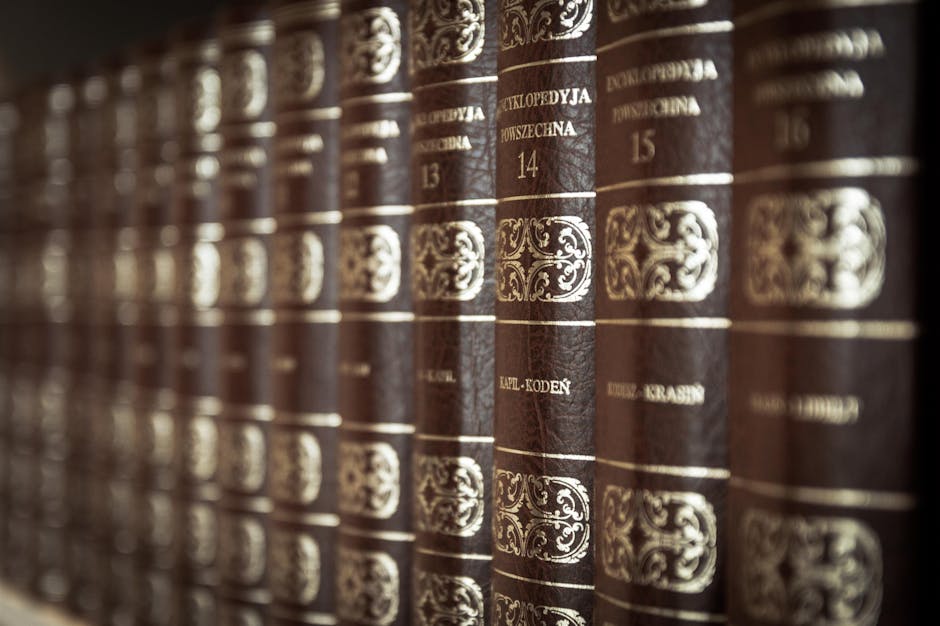
Special or collectible editions go a step further. They might feature distinctive cover art designed as premium collectibles, enhanced paper quality, special binding, or limited print runs. These attract readers who want both the literary content and the visual or artistic presentation. Collectors often seek these out because they combine book value with aesthetic appeal.
Professional or reference editions are tailored for specific audiences—think academic versions, professional manuals, or industry-specific publications. These might have different layouts, additional indexes, or supplementary materials compared to consumer versions.
Digital editions (eBooks and other formats) are technically new editions because they require different typesetting and formatting than print versions. A PDF isn't just a scan of a printed page; it's a newly formatted edition built for screen reading.
When you're planning to publish or republish, deciding which edition types you need depends on your audience and goals. If you're working with a professional production partner like Xcel Graphic Services, they can help you understand which edition approach fits your project and handle the technical typesetting and formatting that makes each edition distinct.
Related: Full Service Book Production for Publishers: Complete Guide

Why Edition Differences Matter in Publishing
Small typographical differences between editions might seem trivial, but they're actually important markers. They tell readers, collectors, and librarians which version they're holding and when it was produced.
For authors and publishers, managing editions carefully builds trust. When readers know that a new edition means updated content, better design, or enhanced production quality, they're more likely to upgrade or recommend it to others.
For collectors, edition variations create value. A first edition of a famous novel might be worth significantly more than a later printing, even if the text is identical. Special editions with premium covers or limited print runs attract serious collectors because they're rare or beautifully designed.
From a production standpoint, editions matter because creating a new edition requires new typesetting work. Your manuscript might stay the same, but the way it's formatted, spaced, and presented on the page changes. This is where precision in design and layout becomes critical.
Managing Multiple Editions Across Formats
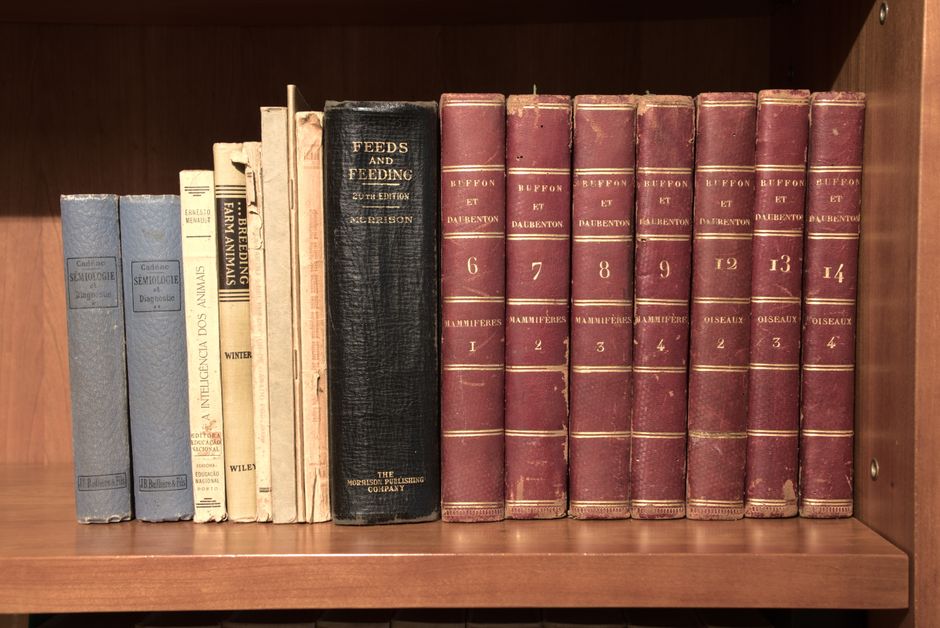
Today's publishing world often means managing multiple editions simultaneously: print, eBook, audiobook, and sometimes special hardcover or paperback versions. Each format is technically its own edition because each requires different typesetting and design specifications.
A print edition designed for 6x9 inches won't work for an eBook that reflows across different screen sizes. The margins, font sizes, images, and layout all need to be rethought. That's why converting a print book to digital format isn't a simple copy-paste job—it's creating a new edition from scratch.
This complexity is exactly why many publishers and authors turn to specialized production services. Xcel Graphic Services handles typesetting, eBook conversion, and other production work that ensures each edition—whether print or digital—maintains quality and readability.
Special Editions and Collectible Value
Collectible special editions represent a specific strategy in publishing: combining excellent content with premium visual design and production quality.
These editions might feature:
- Custom or artistic cover designs that work as standalone art
- Higher-quality paper stocks
- Special binding techniques
- Limited print runs
- Unique typography or design treatments
- Included extras like bookmarks, slipcovers, or supplementary materials
The appeal is straightforward: readers get both a well-produced book and something visually special to display or collect. For publishers, special editions can command higher prices and attract dedicated readers willing to pay for quality.
Creating a successful special edition requires careful attention to every production detail, from the cover design down to the paper choice and binding method. This is specialized work that demands expertise in publishing production.
Planning Your Edition Strategy
Before you publish or republish, think about what editions you actually need.
Start by asking: Who is my primary audience? Do you need a trade paperback for general readers, a hardcover for collectors, and an eBook? Should any of these be special or premium editions?
Next: What's my timeline and budget? Creating multiple editions requires multiple production runs, each with its own typesetting and design work.
Then: What makes each edition distinct? Is it just the format, or does each edition have unique cover design, content, or production quality?
Finally: How will I communicate edition differences to readers? Clear labeling and marketing help readers understand why they might choose one edition over another.
If you're unsure how to manage these decisions or need help executing multiple editions simultaneously, reaching out to a production specialist can clarify your options and streamline the process.
The Technical Side of Creating Editions
On the backend, each new edition requires typesetting work. Your manuscript text might be the same, but the design, layout, and formatting for print versus digital are fundamentally different.
Print editions need precise control over margins, leading (space between lines), justification, and image placement to work on physical paper. Digital editions need flexible formatting that adapts to different screen sizes and user preferences.
Proofreading and quality control also happen per edition, since changes in layout can introduce new errors or readability issues. An experienced production team will review each edition thoroughly before it goes to print or to readers.
This is why working with a dedicated publishing production partner matters. Xcel Graphic Services specializes in exactly this kind of work—handling typesetting, proofreading, and format conversion so each edition meets professional standards and your vision for the book.
Do all books have multiple editions?
No. Many books stay in print under a single edition indefinitely. Only when you make significant changes to typesetting, design, or content do you create a new edition. Some books are reprinted dozens of times from the same edition.
Is a paperback a different edition from a hardcover?
Typically yes. Even if the text is identical, paperback and hardcover formats require different typesetting and design work. They're formatted for different trim sizes and production methods, making them separate editions technically. Some publishers call them the same "edition" for marketing purposes, but production-wise they're distinct.
What makes a first edition valuable?
A first edition is the original typeset version of a book. For famous or out-of-print titles, first editions are valued by collectors because they're historically significant and often scarce. Condition, cover design, and the book's cultural importance all affect value. Special editions created intentionally by the publisher can also become collectible.
How do I know which edition of a book I own?
Check the copyright page (usually inside the front cover). Publishers list edition information there, along with printing numbers. It might say "First Edition" or include specific publication dates. Later printings will be clearly marked as revised editions or second, third printings, etc.
Frequently Asked Questions
Do all books have multiple editions?
No. Many books stay in print under a single edition indefinitely. Only when you make significant changes to typesetting, design, or content do you create a new edition. Some books are reprinted dozens of times from the same edition.
Is a paperback a different edition from a hardcover?
Typically yes. Even if the text is identical, paperback and hardcover formats require different typesetting and design work. They're formatted for different trim sizes and production methods, making them separate editions technically. Some publishers call them the same "edition" for marketing purposes, but production-wise they're distinct.
What makes a first edition valuable?
A first edition is the original typeset version of a book. For famous or out-of-print titles, first editions are valued by collectors because they're historically significant and often scarce. Condition, cover design, and the book's cultural importance all affect value. Special editions created intentionally by the publisher can also become collectible.
How do I know which edition of a book I own?
Check the copyright page (usually inside the front cover). Publishers list edition information there, along with printing numbers. It might say "First Edition" or include specific publication dates. Later printings will be clearly marked as revised editions or second, third printings, etc.