Professional book editors are the backbone of quality publishing. They take your manuscript and transform it into something readers actually want to pick up. But what exactly do they do, and when do you need one?
Here's the honest answer: if you're serious about publishing, a professional editor isn't optional. They catch things you can't see in your own work, tighten loose writing, and make sure your book reads like it was written by someone who knows what they're doing.
What Professional Book Editors Actually Do
Professional book editors work at several different levels, depending on what your manuscript needs. Understanding these levels helps you know exactly what service fits your project.
Substantive Editing (also called developmental editing) is the big-picture stuff. Your editor reads your entire manuscript and focuses on structure, pacing, character development, and whether your argument actually makes sense. They'll tell you if Chapter 3 doesn't belong, if your protagonist feels flat, or if you're repeating yourself. This is detective work. They're not fixing commas yet. They're fixing your book.
Copyediting is the sentence-level work. Your editor hunts down grammar mistakes, inconsistencies in style, awkward phrasing, and unclear sentences. They make sure your voice stays consistent and your writing flows smoothly. This is the polish that makes your book feel professional.
Proofreading happens last, usually after your manuscript has been typeset or formatted. Proofreaders catch typos, spacing issues, and formatting glitches that slipped past earlier stages. Think of it as the final quality check before your book goes live.
Technical manuscript consultation is when an editor reviews specific chapters or sections without doing a full edit. Maybe you're stuck on one section and need expert guidance on positioning, structure, or how to explain something complex. Professional editors offer this kind of targeted help too.
Why Authors Actually Hire Professional Book Editors
Authors hire professional book editors for one simple reason: self-editing doesn't work. Your brain knows what you meant to write, so it skips right over mistakes and gaps. An outside professional sees what's actually on the page, not what you intended.
Here are the real reasons you need one:
- Your manuscript won't get published without professional polish. Publishers and literary agents expect it.
- Readers judge books harshly. One sloppy chapter tanks your rating.
- Structure and flow aren't obvious to you anymore. You've read your work 50 times.
- You need someone to tell you if your core idea is actually working or just feels right to you.
- Professional standards exist for a reason. Editors know them inside and out.
When you're ready to invest in your book's quality, Xcel Graphic Services handles the full editing and production pipeline, so your manuscript gets consistent, expert attention from start to finish.

How to Vet a Professional Book Editor
Not all editors are created equal. You need to do your homework before hiring someone to work on your life's work.
Check their credentials. Where did they study? What publishing houses have they worked with? Do they specialize in your genre? A fiction editor might not be the right fit for your technical manual, and vice versa.
Read their reviews and ask for samples. Real past clients tell you everything. Request a sample edit of 5-10 pages of your manuscript so you can see their style and feedback. Good editors are happy to show you their work.
Understand exactly what they offer. Some editors do only copyediting. Some do developmental work but skip proofreading. Make sure their service list matches what your book actually needs.
Ask about their process. How many rounds of revision do they include? Do they provide a style guide? Will they explain their changes? Professional editors are transparent about how they work.
Related: What Is Professional Book Typesetting? Complete Guide
Related: Book Layout: A Complete Guide to Professional Design
Related: Book Formatting: A Complete Guide to Professional Layout
Related: Multilingual Book Composition Services: A Complete Guide
Verify they understand your genre or subject matter. An editor who's worked on 20 romance novels brings different expertise than one who specializes in memoir. Ask about their background in your specific category.
Related: What Does a Book Editor Do? Complete Guide
Professional editing services have become standard across all publishing paths, from traditional to indie, because quality consistently outsells everything else.
Red Flags When Hiring Professional Book Editors
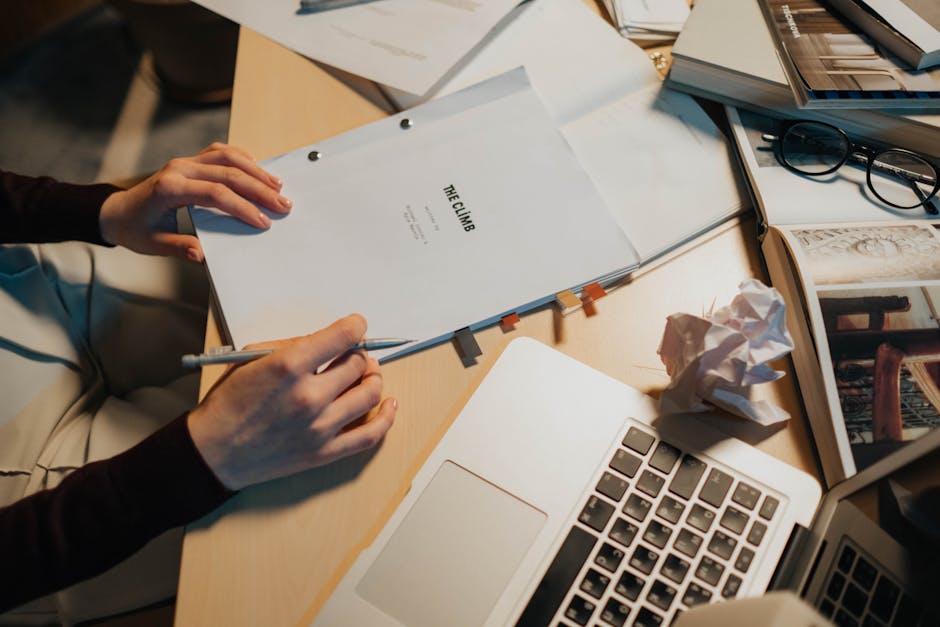
Watch out for these warning signs that an editor isn't right for you.
They guarantee bestseller status. No editor can promise that. They can promise quality manuscript work, but book sales depend on marketing, genre, timing, and luck.
They won't provide references or samples. Professional editors have nothing to hide. If someone refuses to show you their work or connect you with past clients, move on.
They charge by the hour with no project estimate. You should know roughly what you're paying before you start. Get a proposal and timeline.
They want payment upfront in full. Standard practice is partial upfront, partial on completion. If an editor demands full payment before they've touched your manuscript, that's a scam signal.
They make sweeping changes without explaining them. Good editors show you why they changed something. They educate you while they edit.
They pressure you to use their designer, formatter, or publishing contacts. Professional editors are independent. They might recommend trusted partners, but they shouldn't force you into relationships.
What to Expect During the Editing Process
Good editors follow a clear process so you know what's coming.
First comes the initial consultation. You and your editor talk about your manuscript, goals, timeline, and what level of editing you need. They ask questions about your audience and genre.
Then they read your full manuscript and deliver feedback. This might be a detailed editorial letter explaining big-picture issues, or margin comments on every page, or both depending on your service tier.
You revise based on their feedback, and often they'll review your revisions to make sure you addressed the major issues.
If you've hired a copyeditor, that comes next. They go through line by line, and you get the edited manuscript back with tracked changes so you can see every alteration.
Finally, you proofread the formatted version before it goes to print or digital publication. This is your last chance to catch anything.
When you're coordinating editing with formatting and layout, Xcel Graphic Services streamlines the whole workflow so your manuscript moves smoothly from editorial refinement to production-ready output without dropping quality between stages.
Questions Authors Ask About Professional Book Editors
How much do professional book editors cost?
Pricing varies wildly based on experience level, editing depth, manuscript length, and whether you're hiring an individual editor or a service firm. Developmental editing costs more than copyediting because it requires deeper analysis. Get multiple quotes and compare what's included. Never pick based on price alone.
Can I use AI tools instead of hiring a professional editor?
AI writing tools are useful for catching typos and suggesting rewording, but they can't do what a professional editor does. AI doesn't understand your story's deeper issues, your audience, or why a sentence isn't working. It catches surface errors, not structural problems. Use AI as a first pass, then hire an editor for the real work.
How long does professional editing take?
It depends on manuscript length and editing depth. A developmental edit might take 2-4 weeks. Copyediting depends on word count and complexity. Proofreading is faster. Ask your editor for a timeline before you hire them so you know if they can meet your deadline.
Should I hire one editor or multiple editors for different stages?
Some authors work with the same editor for developmental and copy stages because continuity helps. Others hire specialists. Both approaches work. The key is making sure someone is actually checking each stage and not assuming earlier editors caught everything.
Frequently Asked Questions
How much do professional book editors cost?
Pricing varies wildly based on experience level, editing depth, manuscript length, and whether you're hiring an individual editor or a service firm. Developmental editing costs more than copyediting because it requires deeper analysis. Get multiple quotes and compare what's included. Never pick based on price alone.
Can I use AI tools instead of hiring a professional editor?
AI writing tools are useful for catching typos and suggesting rewording, but they can't do what a professional editor does. AI doesn't understand your story's deeper issues, your audience, or why a sentence isn't working. It catches surface errors, not structural problems. Use AI as a first pass, then hire an editor for the real work.
How long does professional editing take?
It depends on manuscript length and editing depth. A developmental edit might take 2-4 weeks. Copyediting depends on word count and complexity. Proofreading is faster. Ask your editor for a timeline before you hire them so you know if they can meet your deadline.
Should I hire one editor or multiple editors for different stages?
Some authors work with the same editor for developmental and copy stages because continuity helps. Others hire specialists. Both approaches work. The key is making sure someone is actually checking each stage and not assuming earlier editors caught everything.