
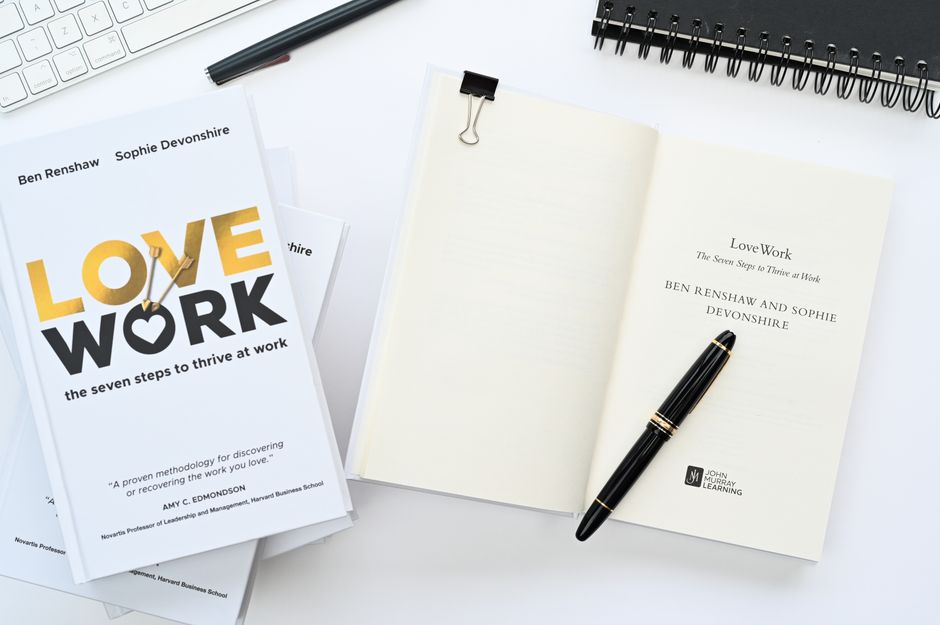
Professional book typesetting is the process of transforming a raw manuscript into a formatted, layout-ready digital file with intentional design and structure. It's not just about making text fit on a page. It's about creating a gentle, pleasing word flow that enhances readability and gives your book a polished, professional appearance that readers actually want to hold (or scroll through).
Think of it this way: you've poured months or years into writing your book. The content is solid. But if it looks like it was formatted in a basic word processor, readers won't take it seriously. That's where professional typesetting comes in. It's the difference between a manuscript and a real book.
Why Professional Book Typesetting Matters
When you self-publish or work with a traditional publisher, the appearance of your book directly impacts how readers perceive your credibility and expertise. A well-typeset book signals professionalism. It tells readers you care about the details.
Here's what professional typesetting actually does for you:
- Improves readability by managing font choice, size, line spacing, and margins
- Establishes visual hierarchy so chapters, headings, and body text feel organized
- Handles special formatting like pull quotes, footnotes, sidebars, and illustrations
- Ensures consistent styling throughout the entire manuscript
- Prepares your file for both print and digital formats
- Saves you massive amounts of time compared to doing it yourself
If you're positioning yourself as a thought leader in your field, poor typesetting undermines that message. Readers judge books by their covers, sure, but they also judge them by how easy and pleasant they are to read. Xcel Graphic Services understands that professional typesetting is about more than aesthetics. It's about respecting your reader's time and attention.

What's Involved in Professional Book Typesetting
Professional typesetting goes way beyond centering a title or changing fonts. Here's what actually happens:
Manuscript Analysis
The typesetter reads through your manuscript to understand its structure, tone, and audience. They identify chapters, sections, front matter (like a preface), back matter (like an index), and special elements that need custom formatting.
Design Development
This is where expertise comes in. Professional typesetters are experienced designers with specialized knowledge. They choose fonts that reflect your book's genre and audience. A thriller looks different from a cookbook, which looks different from a business book. They set margins, line spacing, and page dimensions based on best practices and your specific needs.
Layout and Formatting
Text gets arranged on the page with intention. Headers, body text, and margins work together to guide the reader's eye. If your book has images, tables, or diagrams, the typesetter integrates them thoughtfully.
Related: Common Book Sizes: A Complete Guide for Publishers
Related: What Professional Book Editors Do: A Complete Guide
Related: Book Layout: A Complete Guide to Professional Design
Related: Book Formatting: A Complete Guide to Professional Layout
Related: What Does a Book Editor Do? Complete Guide
Related: Multilingual Book Composition Services: A Complete Guide
Related: APA Book Chapter Citation: Complete Guide & Examples
Related: APA Book Citation Format: Complete Guide & Examples
Precision Details
Professional typesetters handle things you might not even notice but absolutely feel: widow and orphan control (those awkward single lines at the top or bottom of a page), consistent spacing around headings, proper indentation, and smart typography rules like em spaces and proper dashes.
File Preparation
When you're done, you get a print-ready PDF for physical books and properly formatted files for digital formats. This requires technical knowledge that standard word processors don't handle well.
Professional Typesetting vs. DIY Formatting
You might be tempted to format your own book using Word, Google Docs, or a free template. Here's the honest reality: it's not the same.
Word processors are great for writing. They're not designed for professional book layout. They struggle with precise spacing, kerning (the space between letters), and managing complex documents with hundreds of pages. You can create something that looks "good enough," but it won't look professional. Readers will sense the difference.
A professional typesetter brings:
- Industry-standard software designed specifically for book layout
- Years of experience with typography, design principles, and publishing standards
- Knowledge of how different genres should look and feel
- Ability to catch formatting inconsistencies you'd miss
- Technical expertise in preparing files for print, eBook, and other formats
It's genuinely not DIY-friendly work. If you've ever spent hours wrestling with spacing in a word processor, you already know this.
When You Should Hire a Professional Typesetter

Not every project needs a professional typesetter. A short blog post doesn't. But if you're publishing a book—whether self-published or traditionally published—you should strongly consider it.
You should prioritize professional typesetting if:
- Your book is longer than 100 pages (formatting becomes exponentially harder)
- You want your book in both print and digital formats
- Your manuscript includes images, tables, footnotes, or complex layouts
- You're positioning yourself or your business around your book's expertise
- You need files prepared for different publishing platforms
- You want to save time and mental energy on technical details
According to publishing industry standards, professional typesetting is considered a core component of the publishing production workflow, alongside copyediting and proofreading. Services like those offered at Xcel Graphic Services bundle typesetting with other editorial and production services because they're meant to work together.
The Impact on Your Reader Experience
Here's what you need to understand: readers don't think about typesetting consciously. They just know when a book feels good to read.
Proper typesetting creates an invisible experience. The text flows naturally. Font choices feel appropriate. Margins give your eyes room to breathe. Spacing between paragraphs feels balanced. You're drawn into the story or the information without noticing the mechanics.
Bad typesetting, on the other hand, creates friction. Lines feel cramped. Text is hard to follow. Margins are cramped or excessive. Readers have to work harder, and they get frustrated. That frustration translates to lower ratings, fewer recommendations, and readers who don't finish your book.
When you invest in professional typesetting, you're investing in your reader's experience. You're also investing in your credibility. A polished book looks like it came from someone who knows what they're doing.
How Professional Typesetting Fits Into Publishing
Typesetting is one piece of a larger publishing puzzle. It usually happens after your manuscript is finalized (after copyediting and proofreading), and before your book goes to print or digital distribution.
The workflow typically looks like this: You write and revise. An editor reviews for content and structure. A proofreader catches typos and consistency issues. A typesetter transforms that polished manuscript into a formatted book file. Then it goes to print or digital platforms.
This is why comprehensive publishing production services exist. Typesetting doesn't exist in isolation. It's most effective when it's part of a coordinated process where everyone understands your book's vision and audience.
Technical Skills You're Paying For

When you hire a professional typesetter, you're paying for more than their time. You're paying for:
Design Software Expertise
Professional typesetters use industry-standard tools like Adobe InDesign, which costs hundreds or thousands of dollars and has a steep learning curve.
Typography Knowledge
Font selection, sizing, and pairing require understanding how different typefaces work together and how they affect readability across print and digital.
Publishing Standards
There are conventions for everything: how chapter pages should look, how footnotes should be formatted, how much space should separate headings from body text. Professional typesetters know these rules and when to break them intentionally.
Problem-Solving
Every manuscript is different. A typesetter has to solve layout challenges—how to handle a really long chapter title, where to place a large image that breaks the flow, how to format unusual content.
Output Optimization
Creating a PDF that looks perfect on screen but prints poorly is a real problem. Professional typesetters understand color spaces, resolution, and file formats for different mediums.
The Bottom Line on Professional Book Typesetting
Professional book typesetting transforms your manuscript from a document into a real book. It's an investment that improves readability, establishes credibility, and saves you enormous amounts of time and frustration.
You don't need to be a design expert or master software to have a beautifully typeset book. That's exactly why professional typesetters exist. They handle the complexity so you don't have to.
People Also Ask
What's the difference between typesetting and formatting?
Formatting is basic layout work: margins, line spacing, font choices. Typesetting is professional-grade formatting that includes design principles, typography expertise, and industry standards. Typesetting is more comprehensive and sophisticated.
How long does professional typesetting take?
It depends on your manuscript's length, complexity, and how many revisions you need. A simple 200-page novel might take a few weeks. A complex book with images and special layouts might take longer. Most projects are handled as custom timelines based on scope.
Can I typeset my own book?
Technically, yes. Practically, probably not well. Professional typesetting requires specialized software, design knowledge, and experience. You can create something functional, but it won't have the polish and professionalism of work done by someone with years of experience in book design.
Do I need typesetting if I'm self-publishing?
Absolutely. Self-published books are held to the same visual standards as traditionally published ones by readers. Professional typesetting gives your self-published book the credibility and polish it needs to be taken seriously.
Frequently Asked Questions
What's the difference between typesetting and formatting?
Formatting is basic layout work: margins, line spacing, font choices. Typesetting is professional-grade formatting that includes design principles, typography expertise, and industry standards. Typesetting is more comprehensive and sophisticated.
How long does professional typesetting take?
It depends on your manuscript's length, complexity, and how many revisions you need. A simple 200-page novel might take a few weeks. A complex book with images and special layouts might take longer. Most projects are handled as custom timelines based on scope.
Can I typeset my own book?
Technically, yes. Practically, probably not well. Professional typesetting requires specialized software, design knowledge, and experience. You can create something functional, but it won't have the polish and professionalism of work done by someone with years of experience in book design.
Do I need typesetting if I'm self-publishing?
Absolutely. Self-published books are held to the same visual standards as traditionally published ones by readers. Professional typesetting gives your self-published book the credibility and polish it needs to be taken seriously.