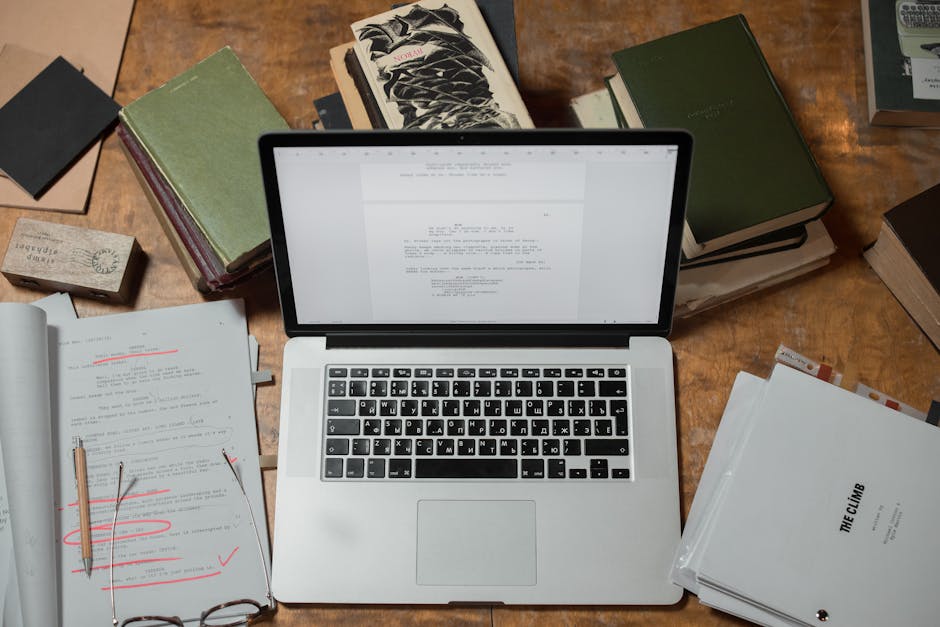
Book editing is the process of refining your manuscript by addressing structure, clarity, flow, and language to make it the strongest version of itself. It sounds simple, but it's actually one of the most important steps between your first draft and a publishable book.
Here's the thing: editing isn't just about finding typos. Professional editors dig into how your ideas are organized, whether your arguments make sense, if your pacing keeps readers engaged, and whether every sentence earns its place on the page. It's collaborative work that typically takes several months and requires ongoing communication between you and your editor.
Why Book Editing Matters More Than You Think
A lot of authors think they can skip editing or do it themselves. That rarely works out well. Self-editing is incredibly hard because you're too close to your own work. You know what you meant to say, so your brain fills in gaps that readers won't see. You miss repetition, unclear transitions, and structural problems that jump out to a fresh set of eyes.
Professional book editing catches what you can't. It also improves your credibility. Readers notice sloppy writing immediately. Whether you're publishing traditionally, self-publishing, or sharing your work with a niche audience, a polished manuscript says you're serious about your craft.
The Main Types of Book Editing
Not all editing is the same. Different stages of manuscript development need different kinds of attention. Understanding which type your book needs helps you invest your time and money wisely.
Developmental Editing is the deepest level. It looks at big-picture issues: does your structure work, are your arguments clear, is the pacing right, does your voice stay consistent? A developmental editor might suggest rewriting whole sections or reorganizing chapters. This happens early, when your manuscript is still taking shape. If you're working with Xcel Graphic Services, they guide you through this conceptual refinement and help position your manuscript for success.
Related: What Is an Online Book Editor? A Complete Guide
Related: What Professional Book Editors Do: A Complete Guide

Substantive editing focuses on rewriting and restructuring content to improve coherence. It's less about the big architecture and more about making sure individual sections and paragraphs work together smoothly. Sentences get tightened, ideas get rearranged, and weak passages get stronger.
Copy editing is more technical. It handles grammar, punctuation, spelling, style consistency, and formatting. A copy editor makes sure you're using the same term throughout (not switching between "website" and "web site"), that your punctuation follows a consistent style, and that your sentences are grammatically sound.
Proofreading is the final pass. It catches typos and formatting errors that snuck through previous rounds. Proofreading happens right before publication, usually on the almost-finished version of your book.
What Book Editing Actually Involves
When an editor sits down with your manuscript, they're doing several things at once. They're reading for clarity, checking that transitions between ideas are smooth, looking for repetition and redundancy, making sure your tone fits your audience, and flagging places where you need to add more detail or cut unnecessary words.
Good editors don't just point out problems. They offer solutions and explain their thinking. You'll get comments in the margins, tracked changes showing exactly what they rewrote, and sometimes a summary memo explaining bigger structural suggestions.
It's a conversation, not a takeover. You decide whether to accept each edit. Some authors push back on suggestions (that's totally fine), while others implement almost everything. Either way, you stay in control of your work.
This process takes time. A thorough book edit typically requires several months because your editor needs to read carefully, think deeply about improvements, and give detailed feedback. Rushing editing almost always shows in the final product.
Who Needs Book Editing?
Professional editing is accessible to all authors, regardless of experience level. First-time authors benefit hugely because they're learning the publishing process and often don't know what a polished manuscript looks like. Experienced authors still need editors because fresh eyes catch things you genuinely won't see yourself.
Whether you're writing fiction, memoir, self-help, academic work, or anything else, editing improves your manuscript. If you're planning to publish in print or digital formats (or both), Xcel Graphic Services handles eBook conversion and print preparation too, so your work stays polished across all formats.
How to Get Started With Book Editing
Start by finishing your first draft. Don't try to edit while you're still writing. You need distance from the work to see it clearly, so give yourself at least a week or two (ideally longer) before you read it again.
Then do a self-edit pass if you want. Read for flow and structure. Delete anything that doesn't serve the story or argument. Fix obvious typos. This prep work saves your professional editor time and keeps costs focused on what really matters: expert refinement.
Next, decide what type of editing your manuscript needs. If you're not sure, a developmental editor or experienced publishing professional can assess your manuscript and recommend the right approach. They'll tell you whether you need deep structural work, polish, or final proofreading.
Finally, find an editor. Look for someone with experience in your genre or subject area. Ask for samples of their work, check references, and make sure their editing style matches what you're looking for. Communication matters. You want an editor who explains their choices and responds to your questions.
Book Editing for Both Print and Digital
An important detail: editing is the same whether you're publishing in print or digital. The text needs to be just as clear and polished either way. What changes is the format preparation that comes after editing. Your manuscript might need different layouts for a printed book versus an eBook, but the editing itself is universal. That's why some authors work with publishing professionals who handle both the editorial side and the technical side, keeping everything coordinated and consistent.
The Real Investment
Editing is an investment in your credibility and your reader's experience. A book without professional editing reads like a book without professional editing. It shows in every page. Conversely, a well-edited book makes you sound smarter, clearer, and more trustworthy, no matter your subject.
This is especially true if you're writing for professional reasons, publishing for a niche audience, or trying to establish authority in your field. Sloppy writing undermines your message. Polished writing amplifies it.
Getting Your Manuscript Ready for the Next Stage
After editing is complete, your manuscript still needs to move through other production steps. Typesetting, proofreading the final layout, indexing, and format conversion all happen after editing wraps up. It's a full journey, and each step builds on the last. That's why working with professionals who understand the entire publishing workflow helps. Xcel Graphic Services specializes in these interconnected services, so your manuscript moves smoothly from editorial refinement through production and into print or digital formats.
How long does book editing take?
Professional book editing typically requires several months. The exact timeline depends on your manuscript's length, the depth of editing needed, and how quickly you turn around revision requests. Developmental editing usually takes longer than copy editing because it involves more conceptual work. It's not something you can rush without sacrificing quality.
Can I edit my own book?
You can do preliminary self-editing, and that's actually helpful before you hire a professional. But a full professional edit is nearly impossible to do yourself. You're too close to your own words. You'll miss repetition, unclear passages, and structural problems that anyone reading for the first time will spot immediately. Self-editing works best as a first pass, not as a replacement for professional eyes.
What's the difference between editing and proofreading?
Editing addresses bigger issues: structure, clarity, flow, word choice, and overall coherence. Proofreading catches typos and formatting errors in the final version. Think of editing as major revisions and proofreading as the final polish. You need both, but they happen at different stages and require different kinds of attention.
Do I need editing if I'm self-publishing?
Absolutely. In fact, self-published books especially need professional editing because they don't go through a traditional publisher's editing process. Readers don't cut self-published authors any slack. A polished manuscript is what separates professional self-publishing from amateur work. If you want your book taken seriously, editing is non-negotiable.
Frequently Asked Questions
How long does book editing take?
Professional book editing typically requires several months. The exact timeline depends on your manuscript's length, the depth of editing needed, and how quickly you turn around revision requests. Developmental editing usually takes longer than copy editing because it involves more conceptual work. It's not something you can rush without sacrificing quality.
Can I edit my own book?
You can do preliminary self-editing, and that's actually helpful before you hire a professional. But a full professional edit is nearly impossible to do yourself. You're too close to your own words. You'll miss repetition, unclear passages, and structural problems that anyone reading for the first time will spot immediately. Self-editing works best as a first pass, not as a replacement for professional eyes.
What's the difference between editing and proofreading?
Editing addresses bigger issues: structure, clarity, flow, word choice, and overall coherence. Proofreading catches typos and formatting errors in the final version. Think of editing as major revisions and proofreading as the final polish. You need both, but they happen at different stages and require different kinds of attention.
Do I need editing if I'm self-publishing?
Absolutely. In fact, self-published books especially need professional editing because they don't go through a traditional publisher's editing process. Readers don't cut self-published authors any slack. A polished manuscript is what separates professional self-publishing from amateur work. If you want your book taken seriously, editing is non-negotiable.