
The short answer: italicize book titles. That's the standard in modern professional and academic writing.
But here's the thing—formatting rules aren't always one-size-fits-all, and knowing when quotation marks might work (spoiler: rarely for full books) will save you from looking sloppy in your manuscripts, articles, or client work.
Let's break down the rules, the exceptions, and why this matters for your credibility.
The Modern Standard: Italicize Book Titles
In 2026, the accepted convention across most professional and academic contexts is to italicize complete book titles. This applies whether you're writing an essay, a manuscript, a business report, or a journal article.
Related: What Is Professional Book Typesetting? Complete Guide
Related: Book Layout: A Complete Guide to Professional Design
Related: Book Formatting: A Complete Guide to Professional Layout
Related: What Professional Book Editors Do: A Complete Guide
Related: What Does a Book Editor Do? Complete Guide
Related: Multilingual Book Composition Services: A Complete Guide
Related: Full Service Book Production for Publishers: Complete Guide
Related: Standard Book Sizes: Complete Guide for Publishers & Authors
Related: Common Book Sizes: A Complete Guide for Publishers
Related: APA Book Chapter Citation: Complete Guide & Examples
Related: APA Book Citation Format: Complete Guide & Examples
Related: Book Indexing Back-of-Book Formatting: The Complete Guide
Here's what that looks like:
- The Great Gatsby by F. Scott Fitzgerald
- Becoming by Michelle Obama
- Atomic Habits by James Clear
Notice the slanted text? That's italics doing the work. It tells your reader, "Hey, this is a complete published work."
Why italics instead of quotation marks? Because quotation marks are traditionally reserved for shorter works—things like articles, short stories, or individual poems. Using quotation marks for a full book title is a common formatting error that makes your writing look unprofessional, even if the meaning is clear.
Italicize vs. Quote: Understanding the Length Rule
The main distinction comes down to length and scope.
Use italics for:
- Books (novels, memoirs, non-fiction)
- Newspapers and magazines
- Films and TV shows
- Music albums
- Journals and publications
Use quotation marks for:
- Articles in magazines or journals
- Short stories
- Individual poems
- Song titles (not albums)
- Chapters within a book
The logic: italics highlight the "container"—the full work. Quotation marks highlight the "contents"—smaller pieces inside a larger work.
So if you're writing about The New York Times (the newspaper), use italics. But if you're referencing a specific article from The New York Times, the newspaper title stays italicized, and the article title goes in quotation marks.
Why Not Use Underlining Anymore?
Your parents' generation might've underlined book titles. That was the standard before computers made italics easy.
Today? Underlining looks dated. It was originally a typewriter workaround—a way to signal emphasis when italics weren't an option. Modern style guides (MLA, APA, Chicago Manual of Style) all favor italics.
Stick with italics. It's cleaner, more professional, and immediately recognizable.
Don't Forget Capitalization
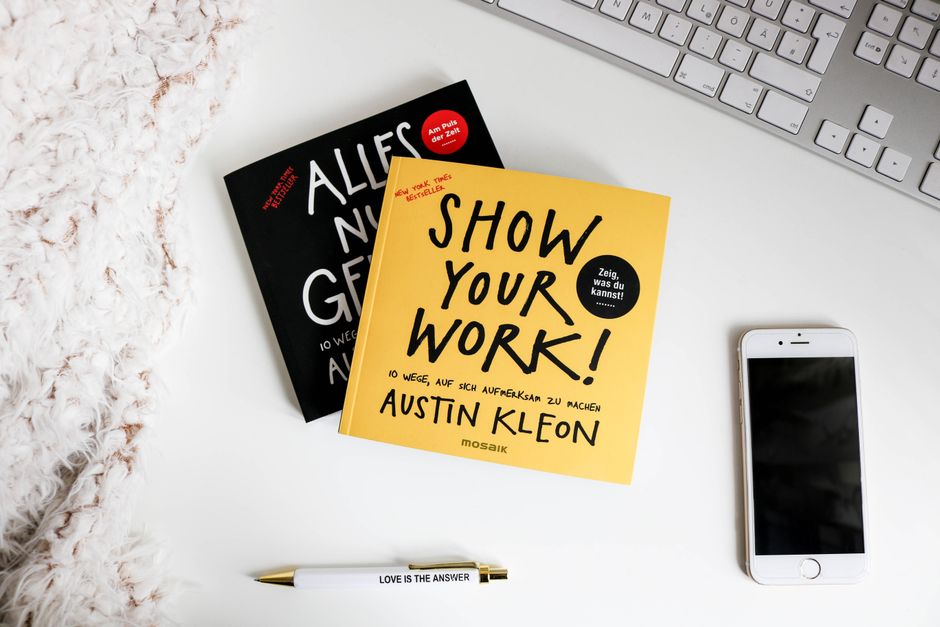
Italicizing is only half the battle. You also need to capitalize correctly.
In English, you capitalize the first and last words of a title, plus all key words in between. Skip the small words like "a," "an," "the," "and," "or," "but," and prepositions (unless they're the first or last word).
Examples:
- The Art of War (not The art of war)
- Where the Crawdads Sing (not Where The Crawdads Sing)
- It Ends with Us (not It ends with us)
When you combine proper formatting (italics + capitalization), your titles command attention and read as intentional.
Context Matters: When Rules Bend
Here's where it gets nuanced. Style guides exist, but your specific context might override the standard.
For example, some technical or scientific writing styles have quirks. And if you're writing for a client or publication with its own style guide, always defer to their guidelines first. Internal company style or brand standards beat general conventions.
The same goes for creative contexts. In some informal writing (like a casual blog post or social media), you might see quotation marks used for titles. It's not "correct," but it happens. That said, in professional, academic, or publishing contexts, italics are non-negotiable.
If you're working on a manuscript, book layout, or any publishing-adjacent project, Xcel Graphic Services can handle the nitty-gritty of formatting and style consistency so you don't have to worry about whether you've italicized every title correctly.

Real-World Examples in Sentences
Let's see this in action with full sentences:
- "I just finished reading Educated by Tara Westover, and I found the chapter titled "Educated" especially powerful." (Book title italicized, chapter title in quotes.)
- "The article "Why We Love Stories" appeared in The Atlantic last month." (Article in quotes, magazine title italicized.)
- "Her first album, Fearless, won multiple Grammy Awards." (Album title italicized.)
See how the hierarchy works? The larger container (book, magazine, album) gets italics. The smaller piece (article, chapter, song) gets quotation marks.
Consistency Across Your Writing
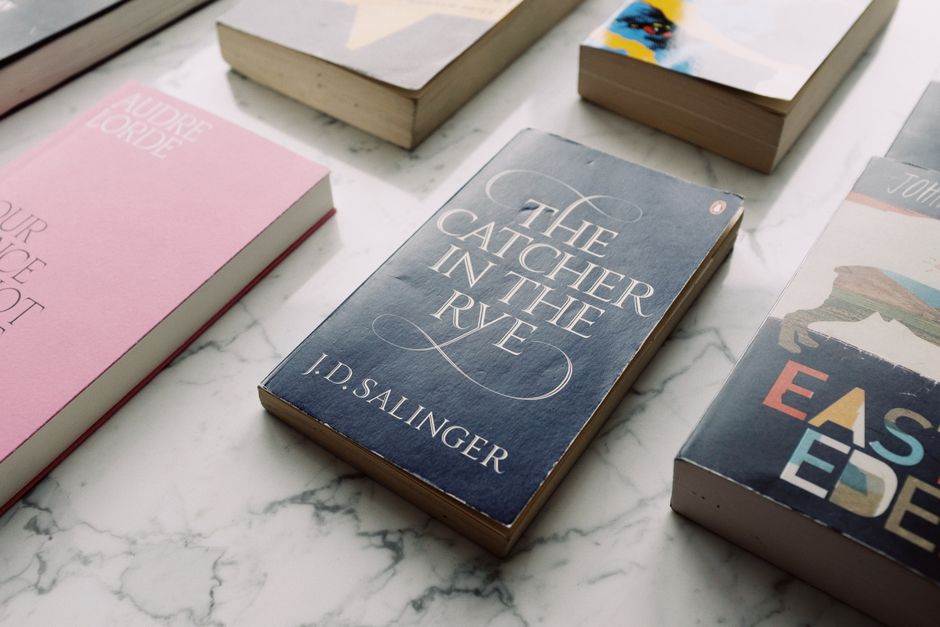
One of the biggest red flags in amateur writing is inconsistency. You'll italicize one book title and quote another, or forget to capitalize key words.
If you're writing a long document, manuscript, or multi-part project, create a style reference for yourself. List all the titles you mention and check them twice. It takes five minutes and prevents sloppy errors.
Better yet, if you're handling a book or publication project with multiple titles referenced throughout, Xcel Graphic Services offers copyediting and proofreading that catches these inconsistencies. A fresh pair of expert eyes will spot formatting errors you've missed.
How This Affects Your Credibility
Here's the thing nobody talks about: formatting errors make readers question your authority. They might not consciously notice that you quoted a book title instead of italicizing it, but they'll register it as "off."
Readers expect professionals to sweat these details. Whether you're pitching to a publisher, submitting an article, or building your author brand, proper title formatting signals competence.
It's the same reason your email subject line needs a spell-check or why your website copy should have zero typos. Small details compound into perception.
For authors and publishing professionals who want to guarantee accuracy, formatting expertise matters. Xcel Graphic Services specializes in typesetting and copyediting that ensures every title, citation, and stylistic element meets professional standards.
Quick Reference Checklist
Before you hit publish, run through this:
- Book titles = italics (not quotation marks)
- Articles, chapters, short stories = quotation marks
- Capitalize the first and last words plus all key words
- Skip capitalization for small words like "a," "and," "the" (unless first or last)
- Use italics, not underlining
- Check consistency throughout your document
Follow these rules and your writing will look polished and professional, every time.
Frequently Asked Questions
Should I italicize book titles in emails?
Yes. Use italics in all professional contexts, including email. Most email clients support italic formatting (just use the italic button in your toolbar or Ctrl+I / Cmd+I). If your email platform doesn't support italics for some reason, quotation marks are an acceptable fallback—but formatting support is standard now.
What about self-published books?
Self-published books follow the same formatting rules as traditionally published ones. If it's a complete book—regardless of publishing path—italicize the title. The standard doesn't change based on how the book was published.
Do I italicize book titles in my resume or cover letter?
Yes, if you mention them. For example: "I edited the manuscript for The Future of AI" or "My novel Midnight Echoes was featured in...". Professional documents benefit from proper formatting.
What if the book title is already in italics on the cover?
Doesn't matter. You're writing in your own text, not copying the design. Follow the formatting rule for your medium (essay, article, manuscript, etc.). Your italics signal to the reader that it's a book title. The fact that the publisher chose to italicize it on the cover is separate.
Frequently Asked Questions
Should I italicize book titles in emails?
Yes. Use italics in all professional contexts, including email. Most email clients support italic formatting (just use the italic button in your toolbar or Ctrl+I / Cmd+I). If your email platform doesn't support italics for some reason, quotation marks are an acceptable fallback—but formatting support is standard now.
What about self-published books?
Self-published books follow the same formatting rules as traditionally published ones. If it's a complete book—regardless of publishing path—italicize the title. The standard doesn't change based on how the book was published.
Do I italicize book titles in my resume or cover letter?
Yes, if you mention them. For example: "I edited the manuscript for The Future of AI" or "My novel Midnight Echoes was featured in...". Professional documents benefit from proper formatting.
What if the book title is already in italics on the cover?
Doesn't matter. You're writing in your own text, not copying the design. Follow the formatting rule for your medium (essay, article, manuscript, etc.). Your italics signal to the reader that it's a book title. The fact that the publisher chose to italicize it on the cover is separate.