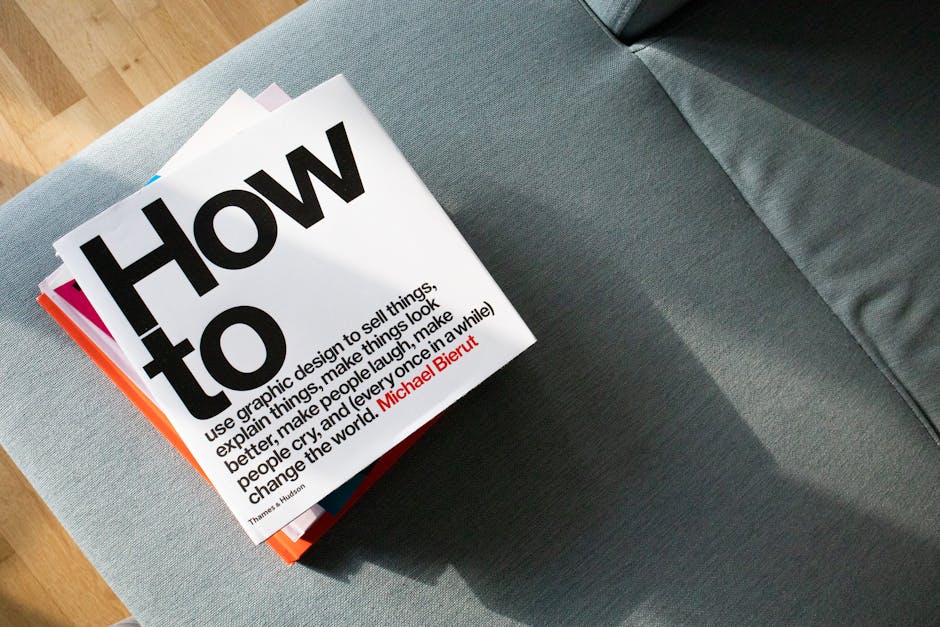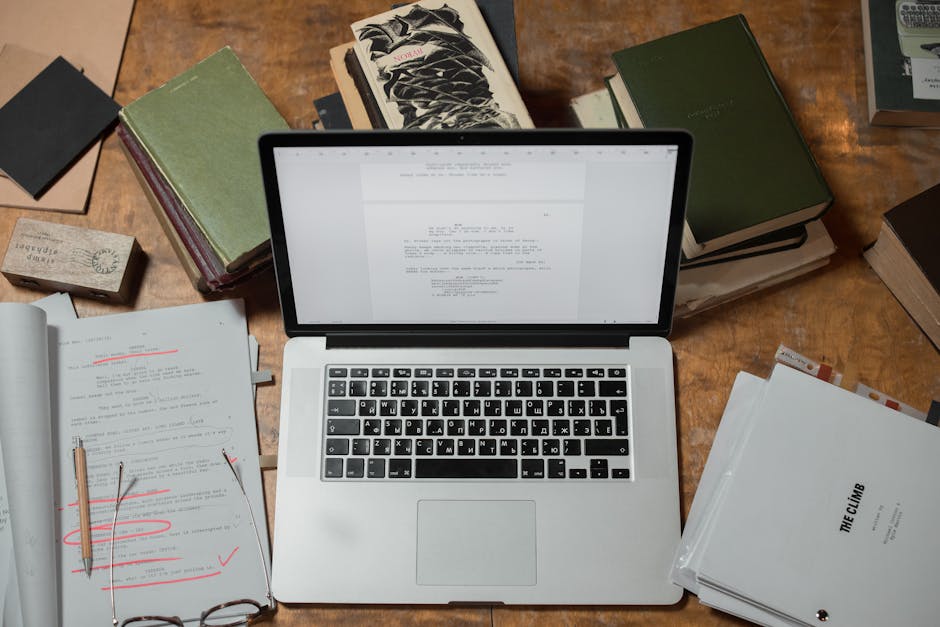

Book typesetting is the process of arranging text on pages in a way that makes your book easy and enjoyable to read. It's not just about picking a font and hitting publish. A typesetter makes strategic decisions about spacing, font selection, page layout, and alignment to create a professional reading experience.
If you're publishing a book, whether you're an author, editor, or publisher, understanding typesetting will help you communicate better with professionals and know what to expect from the finished product.
What Exactly Is Book Typesetting?
Typesetting is the craft of deciding how text appears on a page. This includes:
- Font choice and sizing for body text and headings
- Line spacing (called leading) and paragraph spacing
- Margins and page width
- Alignment of text (left, center, justified)
- Handling of special elements like chapter breaks, sidebars, and footnotes
Think of it this way: writing is about what you say. Typesetting is about how readers experience what you say on the page.
A professional typesetter balances aesthetics with function. Your book needs to look polished, but more importantly, it needs to be readable. That means the right font size, enough white space, and consistent formatting throughout.
Key Responsibilities of a Professional Typesetter
When you work with a professional typesetter, they handle a lot more than you might realize.
Font Selection and Hierarchy
A good typesetter knows the difference between fonts that work for body text and fonts that work for headings. The rule of thumb is simple: use a maximum of two fonts in your book. One for the body text and one for chapter headings. Everything else derives from those two choices. This restraint actually improves readability rather than detracting from it.
Spacing and Layout
Spacing is where amateurs and professionals diverge. Professional typesetters adjust:
- Word spacing within lines
- Line spacing between rows of text
- Paragraph spacing
- Space around headings and special elements
These tiny adjustments accumulate. Readers don't consciously notice good spacing, but they definitely notice when it's off. A page that feels cramped or too loose pulls readers out of the story.
Handling Complex Elements
If your book includes tables, images, footnotes, sidebars, or an index, the typesetter ensures these integrate smoothly with the main text. They decide where breaks naturally occur, how images align with text, and how footnotes flow across pages.
When you're working with Xcel Graphic Services, their typesetters bring expertise in managing all these moving parts so your final book reads professionally across every page.

Why Book Typesetting Matters for Your Final Product
You might think: "Can't I just format it myself?" The answer is yes, but there's a difference between a book that's readable and a book that's professionally presented.
Reader Experience
Good typesetting is invisible. Readers don't think about it; they just read comfortably. Poor typesetting distracts. Inconsistent spacing, awkward line breaks, or bad font pairings pull attention away from your content.
According to resources like the Chicago Manual of Style, which is the industry standard for book publishing, proper typesetting follows established conventions that readers expect. This consistency builds trust and professionalism.
Print vs. Digital Considerations
Typesetting for print and digital formats requires different approaches. Print books need careful attention to page breaks and margins because they exist as physical objects. Digital books (eBooks) need responsive layouts that work on different screen sizes. A skilled typesetter understands both and makes adjustments accordingly.
Commercial Publication Standards
If you're planning to sell your book traditionally or through print-on-demand services, professional typesetting is often expected. Publishers and bookstores evaluate books on presentation as much as content. Poor typography signals amateurism, even if your writing is excellent.
When You Should Hire a Professional Typesetter

Self-typesetting is fine if you're making a personal copy or exploring your options. But if any of these apply to you, professional help makes sense:
- You're publishing commercially (selling copies to readers)
- Your book includes complex elements (images, tables, footnotes, sidebars)
- You want both print and eBook versions
- You need to meet publisher or printing service standards
- You value your time and want to focus on writing, not formatting
Professional typesetters bring consistency, expertise, and efficiency. They've solved typesetting problems hundreds of times and know how to avoid common pitfalls.
The Typesetting Process: What to Expect
Manuscript Preparation
Related: Preparing a Manuscript for Typesetting: A Complete Guide
Related: What Is Book Editing? A Complete Guide for Authors
Related: How to Get a Book Published: Step-by-Step Guide
Related: What Is an Online Book Editor? A Complete Guide
Related: What Professional Book Editors Do: A Complete Guide
Related: What Does a Book Editor Do? Complete Guide
Before typesetting begins, your manuscript should be finalized and edited. Typesetting happens after copyediting and proofreading, not before. Last-minute text changes during typesetting create extra work and delays.
Related: Book Editing Services: What You Need to Know
Related: Professional Book Editing Services: What to Know
Design Decisions
A typesetter will discuss your book's vision. Genre matters. A cookbook needs different spacing and font choices than a novel. A technical manual needs different hierarchy than a memoir. Your typesetter should ask questions about your audience and goals.
Related: Book Design Explained: What It Is and Why It Matters
Layout and Adjustment
The typesetter creates pages, tests layouts, and makes adjustments based on how text flows. They watch for widows and orphans (single lines stranded at the top or bottom of pages), awkward breaks, and spacing issues.
Review and Revisions
You'll see proofs and have a chance to request adjustments. This is normal. Good typesetters expect feedback and build revision rounds into their process.
When you're ready to move forward with professional typesetting, Xcel Graphic Services handles the entire workflow so you get a publication-ready manuscript without the technical headaches.
Design Minimalism in Typesetting
Here's an honest truth: more design elements don't make a book look better. Restraint does.
Avoid excessive decorative fonts, too many text colors, ornate borders, or cluttered headers. These elements date quickly and distract from your content. Professional typesetters understand that clarity and simplicity serve the reader better than visual flash.
This doesn't mean your book looks boring. Strategic use of white space, a clean font pairing, and consistent formatting create elegance and professionalism. Less is genuinely more in book design.
Typesetting for Print vs. eBook Formats

Print Books
Print typesetting is fixed. Once pages are laid out, they don't change. This means precise control over margins, page breaks, and spacing. Print books are bound, so the inside margins (gutters) need extra space to account for the binding.
eBooks
eBook typesetting is fluid. Text reflows based on the device, screen size, and reader settings (font size, margins, background color). This flexibility means eBook typesetters focus on logical hierarchy and semantic formatting rather than precise visual positioning.
A book that's beautifully typeset for print may need adjustments for eBook format. That's why many publishers handle print and digital versions as separate projects with different typesetting approaches.
Common Typesetting Mistakes to Avoid
If you're tempted to DIY, watch out for these pitfalls:
- Using more than two fonts (creates visual chaos)
- Inconsistent spacing between paragraphs or sections
- Too-large margins or too-small margins (affects readability)
- Poor alignment choices (justified text without proper hyphenation settings looks ragged)
- Ignoring widows and orphans (sloppy-looking pages)
- Using manual line breaks to force layout instead of proper spacing settings
These mistakes are easy to make and hard to catch in your own work because you're too close to it. This is another reason professional typesetters add value. They bring fresh eyes and technical precision.
Building Your Book as a Long-Term Asset
Modern book marketing emphasizes treating your book as a long-term business asset rather than a one-time publication event. That mindset changes how you approach typesetting.
If your book is an asset, it needs to look professional and remain readable for years. Good typesetting supports that goal. A well-typeset book attracts readers, builds credibility, and works harder in your author platform or business.
Whether you're self-publishing or working with a traditional publisher, investing in professional typesetting is an investment in your book's longevity and impact.
Getting Started With Professional Typesetting
When you're ready to move forward, look for typesetters who specialize in book publishing, not general graphic design. Book typesetting is its own skill set with specific conventions, software, and expertise.
Ask potential typesetters about their experience with your book's format (print, eBook, or both) and genre. Ask to see samples. Discuss timeline and revision rounds. Get clear on deliverables and file formats you'll receive.
Xcel Graphic Services offers full typesetting services for authors, editors, and publishers, handling everything from layout and font selection to eBook conversion so your book is ready for publication.
Related: What Book Publishers Do: A Guide for Authors & Creators
People Also Ask
Can I typeset my own book?
Yes, you can self-typeset for personal use or to learn. Many writers use word processors or design software to format their own books. However, professional typesetters bring expertise, consistency, and software tools that most writers don't have. If you're publishing commercially, professional typesetting usually results in a better final product.
How much does book typesetting cost?
Typesetting costs vary based on book length, complexity, format (print, eBook, or both), and the typesetter's experience. Pricing is typically quoted per project after the typesetter reviews your manuscript. Simple novels cost less than illustrated books or technical manuals.
How long does typesetting take?
Timeline depends on your book's length and complexity, the typesetter's workload, and how many revision rounds you need. A typical typesetting project takes 2-4 weeks from start to final files, though this varies. Plan for typesetting to happen after editing is complete, not before.
What file format will I receive after typesetting?
You'll typically receive PDF files ready for printing, and possibly digital files for eBook conversion. Ask your typesetter upfront what formats they deliver and whether those files work with your publishing plan. Some typesetters offer eBook conversion as a separate service.
Frequently Asked Questions
Can I typeset my own book?
Yes, you can self-typeset for personal use or to learn. Many writers use word processors or design software to format their own books. However, professional typesetters bring expertise, consistency, and software tools that most writers don't have. If you're publishing commercially, professional typesetting usually results in a better final product.
How much does book typesetting cost?
Typesetting costs vary based on book length, complexity, format (print, eBook, or both), and the typesetter's experience. Pricing is typically quoted per project after the typesetter reviews your manuscript. Simple novels cost less than illustrated books or technical manuals.
How long does typesetting take?
Timeline depends on your book's length and complexity, the typesetter's workload, and how many revision rounds you need. A typical typesetting project takes 2-4 weeks from start to final files, though this varies. Plan for typesetting to happen after editing is complete, not before.
What file format will I receive after typesetting?
You'll typically receive PDF files ready for printing, and possibly digital files for eBook conversion. Ask your typesetter upfront what formats they deliver and whether those files work with your publishing plan. Some typesetters offer eBook conversion as a separate service.