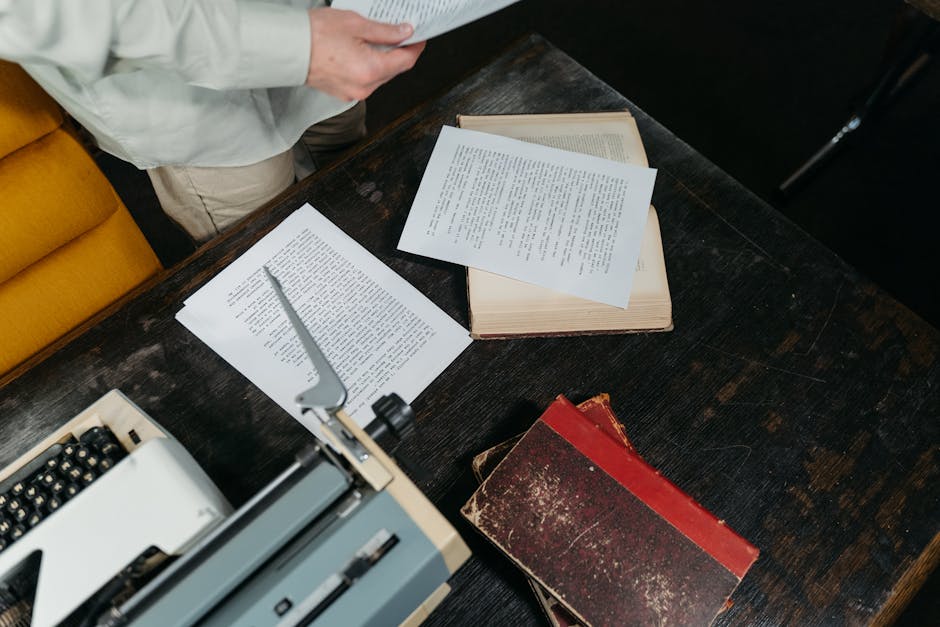

Professional book editing services take your manuscript and make it stronger. An editor doesn't just fix typos. They look at the big picture—your story structure, your argument flow, whether your ideas land clearly with readers. If you're serious about publishing, understanding what editors do (and what to look for) is essential.
Let's walk through what professional editing actually involves, how to pick the right service for your book, and what questions to ask before you commit.
Related: Book Editing Services: What You Need to Know
Related: Back of Book Indexing Services: What You Need to Know
What Professional Book Editing Services Actually Do
Professional book editing isn't one-size-fits-all. Services typically offer multiple levels of editing, each tackling different problems in your manuscript.
Substantive editing (also called developmental editing) zooms out. An editor looks at your overall structure, whether your chapters flow logically, if your argument holds up, and if readers will understand what you're trying to say. This is the heavy lifting. An editor might suggest reorganizing sections, cutting redundant ideas, or clarifying confusing passages. It's not about perfection—it's about coherence.
Copy editing works at the sentence level. An editor checks grammar, consistency, word choice, and tone. They make sure you don't repeat yourself, that your voice stays steady, and that every sentence does its job. Copy editing happens after substantive work, once the big structure is locked down.
Rewriting and restructuring go further. Some services don't just mark problems—they rewrite weak sections or help you rebuild chapters that aren't working. This is hands-on collaboration, not just feedback.
Expert consultation is also part of the package at many services. You get guidance on how your manuscript positions itself, whether your core concept is clear, and what readers will actually take away from your work.
How to Choose Professional Book Editing Services
Not all editing services are equal. Here's what actually matters when you're evaluating options.
Editor selection matters more than you'd think. Some services assign an editor randomly. Better services let you choose your own editor or at least show you who you're working with before you commit. You want someone who understands your genre, your audience, and your voice. A mismatch here means wasted money and frustration.
Transparency is a red flag detector. A trustworthy service is clear about what they do, how long it takes, and what you should expect at each stage. They explain their process, answer questions directly, and don't oversell results. If a service seems vague or pushy, keep looking.
Check their AI policies. This matters now. Some editing services use AI tools to assist human editors (which is fine), while others use AI as the primary editor (which misses the nuance of real editorial work). Ask directly: how much of the editing is human, and how is AI being used? You deserve to know.
Look at service scope. Do they handle only copy editing, or can they do structural work too? Can they help with eBook formatting if you go digital? Some services offer the full publishing pipeline. If you want one trusted partner for multiple tasks, that matters. Xcel Graphic Services, for example, handles editing alongside typesetting and eBook conversion, so your manuscript moves smoothly through production.

Ask about their experience with your book type. Trade fiction is different from academic manuscripts. Memoirs need different handling than technical books. A service that specializes in your genre will catch problems a generalist might miss.
What to Ask Before You Hire an Editor
Before you hand over your manuscript, get answers to these questions.
- What's included in each editing tier? Don't guess. Get a clear breakdown of what substantive editing covers vs. copy editing. How many revision rounds do you get?
- Who's my editor, and can I see their background? You want to know their experience and maybe read a sample of their work or feedback style.
- What's the timeline? How long does editing take? When do you get your manuscript back?
- How do you handle feedback and revisions? Will your editor explain their suggestions? Do you get multiple revision rounds?
- What happens after editing? If you need help with layout, eBook conversion, or indexing later, can this service help? Or do you need another vendor?
- What's your policy on AI usage? Ask directly and get a straight answer.
Red Flags and Trust Issues

Editing is a big investment. Protect yourself by watching for warning signs.
Avoid services that won't let you communicate with your editor directly. You need dialogue. If there's a middleman blocking feedback, that's a problem.
Be skeptical of guarantees. No editor can guarantee your book will sell or become a bestseller. If they claim that, they're overselling. Editing improves your manuscript—it doesn't magic away market realities.
Check if the service has a real track record. Look for honest reviews and examples of work they've done. Real testimonials matter. Vague claims about "hundreds of happy authors" don't.
Understand what you're paying for. Editing costs vary because every manuscript is different. But a service should be able to explain why your project costs what it does—word count, complexity level, turnaround speed, that kind of thing. If a price seems too low, ask why. If it's too high, ask what's included.
The Full-Service Advantage
Your manuscript doesn't end with editing. After an editor refines your work, you might need a designer to handle the layout, someone to create an eBook version, or an indexing specialist if your book needs one.
Working with a service that handles editing, typesetting, and eBook conversion keeps everything in one place. Your editor understands the design constraints. Your designer sees the final edited manuscript. Your eBook converter doesn't have to guess about formatting. It's cleaner, faster, and easier to manage than juggling five different vendors.
Making Your Decision
Here's the process in order:
First, identify what your manuscript needs. Does it need structure help (substantive editing) or just polish (copy editing)? Be honest about the state of your work.
Second, look for services that specialize in your book type and offer the level of editing you need.
Third, vet them. Check their transparency, ask about their process, confirm their AI policies, and make sure you can talk to your actual editor.
Fourth, clarify pricing and timeline before you commit. Get everything in writing.
Fifth, think about what comes next. If you'll need layout, eBook conversion, or indexing, consider a full-service partner that can handle the whole pipeline from edit through production.
The right professional book editing service simplifies the journey from rough draft to publishable manuscript. Take your time choosing. It's worth the effort.
People Also Ask

How much do professional book editors charge?
Editing costs depend on your manuscript's length, the complexity of the work needed, how fast you need it done, and the editor's experience level. Services calculate fees based on these factors, not a flat rate. Reach out to services directly to discuss your project and get an estimate tailored to your needs.
Can I choose my own editor?
Many professional editing services let you pick your editor or at least introduce you to the person working on your manuscript before you start. This is actually a good sign—it means the service trusts you to find the right fit. Always ask about editor selection before you sign up.
How long does professional book editing take?
Timeline varies. Substantive editing takes longer than copy editing because there's more depth of work. A typical project might take a few weeks to a couple of months, depending on manuscript length and turnaround speed. When you contact a service, ask for their standard timeline and whether rush options are available.
What's the difference between an editor and a proofreader?
An editor shapes your manuscript—fixing structure, clarity, flow, and consistency. A proofreader catches the final layer of errors: typos, formatting inconsistencies, grammar mistakes you might have missed. Proofreading happens last, after editing and design. You typically need both.
Frequently Asked Questions
How much do professional book editors charge?
Editing costs depend on your manuscript's length, the complexity of the work needed, how fast you need it done, and the editor's experience level. Services calculate fees based on these factors, not a flat rate. Reach out to services directly to discuss your project and get an estimate tailored to your needs.
Can I choose my own editor?
Many professional editing services let you pick your editor or at least introduce you to the person working on your manuscript before you start. This is actually a good sign—it means the service trusts you to find the right fit. Always ask about editor selection before you sign up.
How long does professional book editing take?
Timeline varies. Substantive editing takes longer than copy editing because there's more depth of work. A typical project might take a few weeks to a couple of months, depending on manuscript length and turnaround speed. When you contact a service, ask for their standard timeline and whether rush options are available.
What's the difference between an editor and a proofreader?
An editor shapes your manuscript—fixing structure, clarity, flow, and consistency. A proofreader catches the final layer of errors: typos, formatting inconsistencies, grammar mistakes you might have missed. Proofreading happens last, after editing and design. You typically need both.