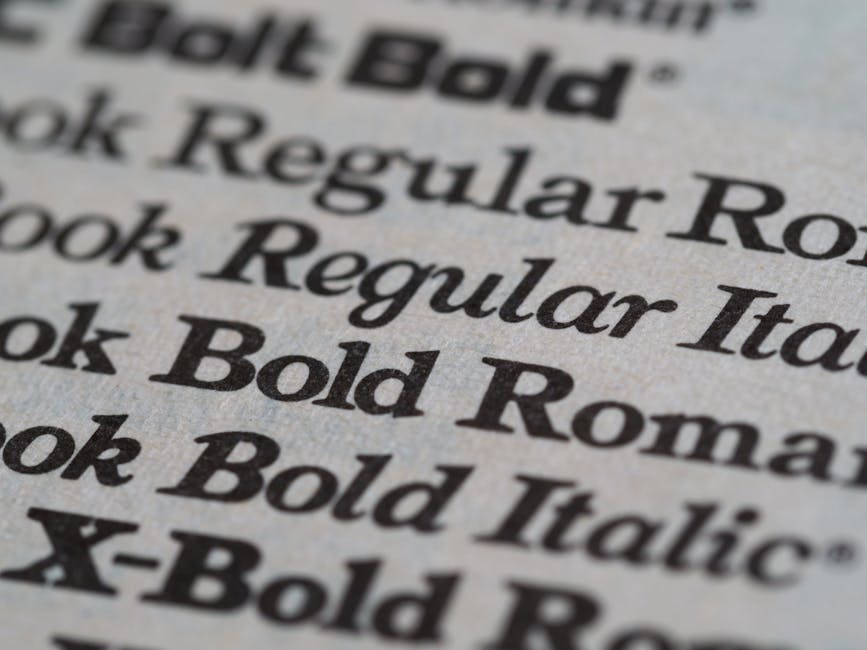
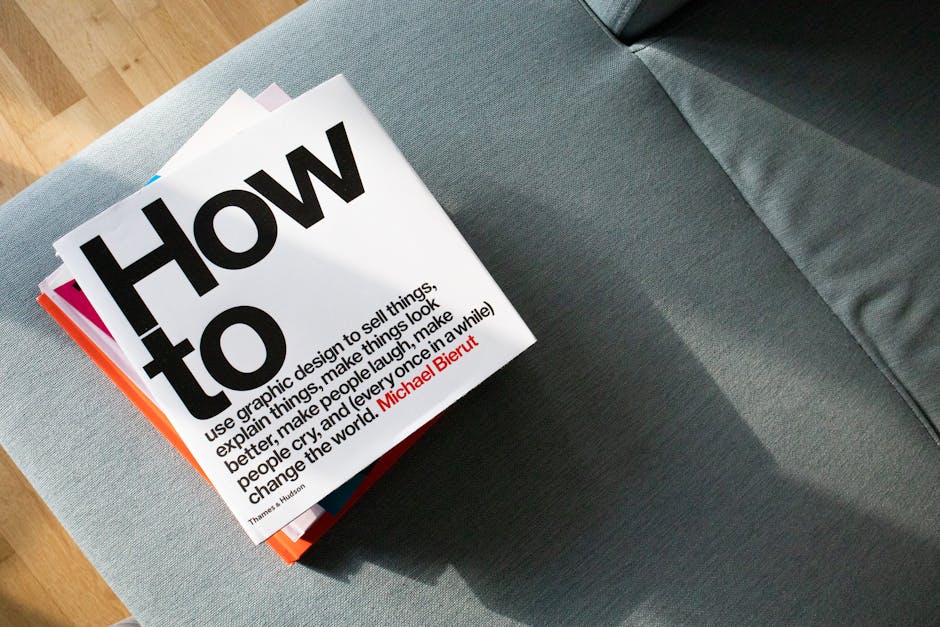
Book design is the graphic art of determining the visual and physical characteristics of a book, from the interior pages all the way through to the cover. It's the difference between a manuscript and a finished product that people actually want to hold and read.
Think of it this way: your writing is the content, but book design is how that content looks, feels, and functions on the page. It covers typography (font choices), spacing, margins, imagery placement, and the overall layout strategy. For your cover, it means deciding on imagery, color, typography, and how all those elements work together to catch a reader's eye and communicate what your book is about.
If you're publishing a book and wondering what goes into making it look professional, this guide walks you through the essentials. Whether you're self-publishing or working with a traditional publisher, understanding book design helps you make smarter decisions about your project. And if you'd rather hand this job to experienced professionals, Xcel Graphic Services specializes in bringing manuscripts to life with polished, reader-friendly layouts.
Related: Book Layout: A Complete Guide to Professional Design

The Core Elements of Book Design
Book design breaks down into two main areas: interior design and cover design. Both matter equally, and both require thoughtful decision-making.
Interior design handles everything readers see when they open your book. This includes typeface selection, line spacing (called leading), margins, paragraph indentation, chapter breaks, and how images or illustrations integrate into the text. A well-designed interior makes reading easy and keeps readers engaged page after page.
Cover design is your book's storefront. It needs to communicate genre, tone, and content instantly. The cover includes the front cover, back cover, and spine, and it has to work across formats (print and digital).
Both elements work together. A beautiful cover gets someone to pick up your book, but a poorly designed interior makes them put it down. You need both to be strong.
When Book Design Happens in Your Publishing Timeline
The design process begins after you and your editor finalize the manuscript content. You shouldn't be redesigning the interior layout while you're still rewriting chapter three. That wastes time and money.
Here's the typical flow: manuscript completion, editing, copyediting, proofreading, and then design. Once the text is locked down and final, designers have a stable foundation to work from.
For the cover, design often happens in parallel with final manuscript work, since cover design doesn't depend on interior layout decisions. But interior design waits for content to be truly finished.
Who's Involved in Book Design Work
Book design is collaborative. You might work with a designer who handles the overall vision, but the team often expands based on your book's needs.
If your book includes photography or illustration, photographers or illustrators become part of the process. They contribute visual elements that the designer then integrates into the layout. If you're publishing a children's book, graphic novels, or heavily illustrated work, these collaborators are essential from the start.
Editors and typesetters also play a role. Professional typesetting services handle the technical precision of layout, ensuring that every page meets professional standards while respecting your designer's vision. This is especially important for complex layouts, academic works, or books with special formatting needs.
What Makes Professional Book Design Different

Amateur layouts often have problems: inconsistent spacing, poorly chosen fonts that hurt readability, margins that feel cramped, or images that don't align properly with the text.
Professional book design considers your reader's experience at every step. Designers choose typefaces based on readability and genre convention. They set leading (space between lines) to optimize how fast and comfortably your eye moves down the page. They position images so they enhance the text, not distract from it.
Professional design also accounts for the technical side. If your book will be printed, the designer ensures files are print-ready with correct color profiles, bleed settings, and resolution. If it's an ebook, the designer knows how to structure files so they display properly across tablets, phones, and e-readers.
Interior vs. Cover Design Priorities
Interior design prioritizes readability and flow. Your readers might spend hours with your interior, so comfort and clarity come first.
Cover design prioritizes impact and discoverability. Your cover has seconds to communicate who should read this book and why it matters. It competes on shelves, in search results, and on social feeds.
Related: Book Typesetting: What It Is & Why It Matters
This doesn't mean one is less important. A stunning cover with an unreadable interior will disappoint readers. An invisible cover with a beautiful interior won't sell enough copies. Both need equal attention.
Working With Design Professionals
When you hire someone for book design, communicate your vision clearly. Share your manuscript, your genre, your target reader, and any reference books whose design you admire.
Expect the professional to ask questions: Is this a literary novel or a thriller? Academic or popular? Illustrated or text-heavy? Budget constraints? Timeline? These details shape every decision they make.
A good designer will deliver multiple options for you to review, explain their reasoning, and refine based on your feedback. This back-and-forth is normal and valuable.
If you're managing a larger publishing project and need coordinated help with design, editing, and production, services like those offered by Xcel Graphic Services can streamline the entire workflow. Coordinating all these pieces yourself gets complicated fast.
Common Book Design Mistakes to Avoid

Too many fonts. Stick with one or two typefaces maximum (one for body text, one for headings). More than that looks chaotic.
Poor contrast. Text should stand out clearly from the background. Light gray text on white doesn't cut it.
Ignoring margins. Cramped margins make reading harder and make your book look unprofessional. Generous white space gives readers' eyes room to rest.
Inconsistent formatting. If chapter breaks look different on page 50 than they do on page 5, readers notice. Consistency builds trust and flow.
Forgetting about different formats. A design that looks great on paper might fall apart on an e-reader. Know where your book will live and design accordingly.
How Digital Formats Change Book Design
Ebook design is different from print design in fundamental ways. E-readers reflow text based on screen size and user preferences (font size, orientation). You can't control exactly how a page looks on every device.
This means you have to design for flexibility, not fixed layouts. You trust the underlying structure to work across devices. Images need alt text for accessibility. Typography is simpler.
Some ebooks use fixed layouts (like children's books or heavily illustrated works), but those are specialized and require different technical approaches.
If you're publishing in multiple formats, your designer needs experience in both print and digital. The interior might need slight adjustments for each version, but the core design philosophy remains the same: prioritize the reader's experience.
The Business Value of Good Book Design
Professional book design isn't a luxury. It directly affects whether readers finish your book, recommend it to others, and come back for your next one.
A well-designed book signals quality. Readers make judgments in seconds based on cover design. Once inside, good interior design keeps them engaged instead of distracted.
For authors and publishers, this matters economically. Books that look professional sell better. Reviews tend to be more positive. Readers are more likely to purchase the next title.
For professionals using books as knowledge sources (business leaders, educators, specialists), good design means information is clear, accessible, and easy to reference. A poorly designed technical book frustrates users. A well-designed one becomes indispensable.
Do I need a designer or can I use templates?
Templates work for simple, single-genre projects if you don't mind a generic look. But templates have limits. They can't handle complex layouts, unusual trim sizes, special effects, or books that need to stand out. A professional designer creates something custom that reflects your book's unique voice and purpose.
How much does book design cost?
Cost depends on several factors: complexity, trim size, page count, number of illustrations, whether you need multiple format versions, and the designer's experience level. A simple novel interior might cost less than an illustrated technical manual. Get quotes from professionals based on your specific project, and ask what's included (revisions, file formats, delivery timeline).
Can I design my book myself?
You can try. Design tools are accessible now. But book design looks simple until you start doing it. Font pairing, kerning, widows and orphans, color theory, and file preparation for print or digital all matter. If your book is just for fun, DIY design might be fine. If you're selling it or using it professionally, professional design is worth the investment.
What software do professional book designers use?
Adobe InDesign is the industry standard for print and ebook design. Some designers use Affinity Publisher or QuarkXPress. The software matters less than the designer's skill and experience. Ask to see portfolio samples in your genre and format before hiring.
Frequently Asked Questions
Do I need a designer or can I use templates?
Templates work for simple, single-genre projects if you don't mind a generic look. But templates have limits. They can't handle complex layouts, unusual trim sizes, special effects, or books that need to stand out. A professional designer creates something custom that reflects your book's unique voice and purpose.
How much does book design cost?
Cost depends on several factors: complexity, trim size, page count, number of illustrations, whether you need multiple format versions, and the designer's experience level. A simple novel interior might cost less than an illustrated technical manual. Get quotes from professionals based on your specific project, and ask what's included (revisions, file formats, delivery timeline).
Can I design my book myself?
You can try. Design tools are accessible now. But book design looks simple until you start doing it. Font pairing, kerning, widows and orphans, color theory, and file preparation for print or digital all matter. If your book is just for fun, DIY design might be fine. If you're selling it or using it professionally, professional design is worth the investment.
What software do professional book designers use?
Adobe InDesign is the industry standard for print and ebook design. Some designers use Affinity Publisher or QuarkXPress. The software matters less than the designer's skill and experience. Ask to see portfolio samples in your genre and format before hiring.