
Book editing services clean up, strengthen, and polish your manuscript before it reaches readers. Whether you're self-publishing or working with a traditional publisher, understanding what editors actually do (and which type you need) saves time, money, and frustration.
Let's break down the landscape so you can make a smart choice.
The Main Types of Book Editing Services
Not all editing is the same. Each level targets different problems in your manuscript.
Proofreading is the final pass. An editor catches typos, grammar slips, formatting inconsistencies, and spelling errors. This happens after all major revisions are done. Think of it as the last quality check before your book goes live.
Copy editing digs deeper. Editors check grammar, punctuation, sentence structure, and clarity. They make sure your voice stays consistent and your writing flows naturally. This is where awkward phrasing gets smoothed out.
Line editing focuses on readability at the sentence level. Editors refine word choice, eliminate redundancy, tighten loose passages, and improve rhythm. If your prose feels clunky or slow, line editing fixes it.
Substantive (or developmental) editing tackles the big picture. Editors examine your manuscript's structure, pacing, character development, plot holes, and overall coherence. This is the most hands-on, transformative type of editing and often involves multiple rounds of revision.
Editorial assessment is a consultation service. An experienced editor reads your manuscript and provides detailed feedback on strengths, weaknesses, and what needs work before formal editing begins. It's helpful if you're unsure whether your manuscript is ready.
Most authors need a combination. You might start with substantive editing to fix structural issues, then move to line editing for flow, and finish with proofreading for final polish. Xcel Graphic Services specializes in copyediting and proofreading as part of a full publishing production workflow, ensuring your manuscript meets professional standards before design and distribution.
Related: Professional Book Editing Services: What to Know

How to Choose the Right Book Editing Service
Selecting an editor is personal. Here's what to evaluate.
Match your genre and editing level. A science fiction editor has different expertise than a memoir editor. Start by identifying what your manuscript actually needs. Do you need structural overhaul or final polish? That determines which service tier to pursue.
Check credentials and experience. Look for editors with a track record in your genre or category. Ask about their background, certifications, and previous client work. Many professional editors list their qualifications publicly.
Review turnaround times. How fast can they work? Editing timelines depend on manuscript length and complexity, but reputable services give clear estimates upfront. Faster isn't always better—quality takes time.
Understand pricing structure. Some editors charge per word, others per hour or per project. Get a sample edit before committing to the full job so you know what you're paying for.
Look for customer feedback. Read reviews from other authors. What did they like? What frustrated them? Verified testimonials tell you a lot about communication, reliability, and results.
Ask about revision rounds. Can you request changes if the edit misses something? Does the price include a follow-up pass? Clarity on this upfront saves arguments later.
Verify their AI usage policy. In 2026, many editing platforms use AI tools to assist human editors. Ask explicitly how technology is used in your edit. Some authors want human editing only; others welcome AI efficiency as long as the final pass is human-reviewed. Know what you're getting.
Request a consultation. Many editors offer a free call to discuss your project. Use it to ask questions, gauge their communication style, and see if you click. Publishing is collaborative. You want an editor you can trust and communicate with easily.
What Happens During the Editing Process
Here's the typical workflow so you know what to expect.
You submit your manuscript along with a brief. Tell the editor what kind of edit you want, any specific concerns, and your target audience. The more detail, the better the result.
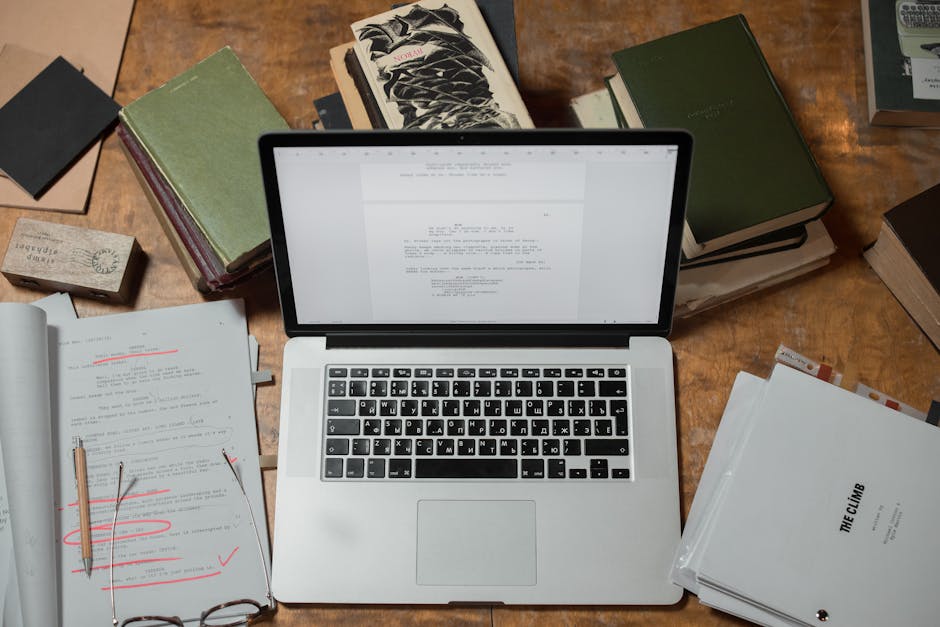
The editor works through your manuscript, making corrections, suggestions, and comments. You'll receive a marked-up version (usually in Word with track changes) so you can see every change and accept or reject it.
You review the edits, respond to comments, and make your own adjustments. This is a conversation. You're not obligated to accept every suggestion, but consider the editor's reasoning.
If needed, a second pass cleans up revisions and checks consistency. Premium services often include this as part of the package.
Once you approve all changes, you get a clean final version. This is your polished manuscript, ready for layout, design, or submission. When you're preparing for distribution, professional publishing platforms also handle typesetting and format conversion. Services like Xcel Graphic Services integrate editing preparation with layout, indexing, and eBook conversion so your final product is production-ready.
Related: Professional Book Typesetting Services: What You Really Need
Related: Book Typesetting Services for Publishers: What You Need to Know
Related: Back of Book Indexing Services: What You Need to Know
Red Flags to Watch For

Not all editing services are created equal. Avoid editors or platforms that:
- Refuse to show sample edits before you commit.
- Offer prices that are drastically cheaper than market standard (quality costs what it costs).
- Don't have clear communication channels or don't respond to questions.
- Guarantee your book will be published or become a bestseller (no one can promise that).
- Use only automated tools without human review.
- Won't discuss their process or qualifications.
Trust your gut. If something feels off, keep looking.
Editing and Publishing Strategy
Book editing doesn't happen in a vacuum. It's part of a larger publishing journey. Before you hire an editor, think about your end goal.
Are you traditionally publishing? Agents and publishers often request clean manuscripts, so copy editing and proofreading matter hugely before submission. Substantive editing might also strengthen your pitch.
Are you self-publishing? You control the timeline and can invest in deeper developmental editing to make your book shine. You'll still need proofreading before launch.
Are you publishing an academic or professional book? Specialized editors familiar with citations, formatting standards, and industry conventions become essential.
Many editors offer consulting beyond the edit itself. They can advise on structure, pacing, concept positioning, and next steps in your publishing journey. That guidance is invaluable, especially if you're new to publishing.
When your manuscript is fully edited and polished, you'll move into production—design, typesetting, indexing, and format delivery. Xcel Graphic Services handles the production side so your edited manuscript becomes a professionally formatted, publication-ready book.
How Much Time Should Editing Take?
Timelines vary widely based on manuscript length, editing depth, and editor workload. Here's a realistic range.
Proofreading: Usually 1-4 weeks depending on length and turnaround priority.
Copy editing: Typically 2-6 weeks for a standard manuscript.
Line editing: 3-8 weeks, since it's more detailed and analytical.
Substantive editing: 4-12 weeks or longer, often with multiple revision rounds.
Editorial assessment: 1-3 weeks for feedback report.
Rush services cost more but are available if you have a tight deadline. Plan ahead when possible.
Should You Use an AI Editor or a Human Editor?

This is a common question. Here's the honest take: AI tools catch mechanical errors fast and can flag potential issues, but they miss nuance, voice, and deeper logic problems. A human editor understands context, intent, and audience in ways AI doesn't.
The best approach? Many professional editors use AI to speed up initial passes (catching obvious grammar and spelling), then do a full human review and refinement. You get efficiency and quality.
Ask any editor you're considering how they use technology. There's nothing wrong with AI-assisted editing as long as a qualified human does the final pass.
Next Steps After Editing
Once your edit is complete and approved, your manuscript enters the production phase. That's where copyediting insights guide typesetting decisions, margins, font sizing, and layout to preserve your edited prose perfectly.
If you're converting to eBook formats (Kindle, ePub, PDF), production specialists ensure edited text renders cleanly across all devices. If your book needs an index, editors work from your final edited manuscript to create accurate, detailed entries.
This is why choosing editing services that integrate with production partners matters. Xcel Graphic Services works seamlessly from copyediting through typesetting, indexing, and digital conversion so nothing gets lost between phases.
People Also Ask
What is the difference between copy editing and proofreading?
Copy editing checks grammar, clarity, consistency, and flow at a deeper level. Proofreading catches the final typos, formatting errors, and small mistakes after all edits are done. Copy editing is more transformative; proofreading is a final quality check.
How much does book editing cost?
Pricing depends on manuscript length, editing type, editor experience, and turnaround time. Services range from affordable to premium. Get quotes from multiple editors for your specific project to compare. Never judge quality by price alone.
Can I edit my own book?
You can do self-editing, and it's valuable for catching obvious errors. But self-editing has limits—you're too close to your work to spot problems objectively. A professional editor brings fresh eyes and trained expertise you can't replicate alone. Even experienced authors use editors.
Do traditional publishers require a professionally edited manuscript?
Most agents and traditional publishers expect a clean, polished manuscript in your query or submission. Heavy editing is usually their job, but a sloppy manuscript gets rejected immediately. A professional editor improves your odds of getting noticed and requested.
Frequently Asked Questions
What is the difference between copy editing and proofreading?
Copy editing checks grammar, clarity, consistency, and flow at a deeper level. Proofreading catches the final typos, formatting errors, and small mistakes after all edits are done. Copy editing is more transformative; proofreading is a final quality check.
How much does book editing cost?
Pricing depends on manuscript length, editing type, editor experience, and turnaround time. Services range from affordable to premium. Get quotes from multiple editors for your specific project to compare. Never judge quality by price alone.
Can I edit my own book?
You can do self-editing, and it's valuable for catching obvious errors. But self-editing has limits—you're too close to your work to spot problems objectively. A professional editor brings fresh eyes and trained expertise you can't replicate alone. Even experienced authors use editors.
Do traditional publishers require a professionally edited manuscript?
Most agents and traditional publishers expect a clean, polished manuscript in your query or submission. Heavy editing is usually their job, but a sloppy manuscript gets rejected immediately. A professional editor improves your odds of getting noticed and requested.