
A professional proofreader checks for far more than typos. They're looking at spelling, grammar, punctuation, capitalization, consistency, clarity, and design elements all at once. Think of them as your last line of defense before a document goes live or into print.
If you've ever hit publish and immediately spotted an error, you know how painful that moment is. Professional proofreaders exist to make sure that never happens to you again.
Related: Ebook Print: Professional Publishing & POD Options
The Core Spelling and Grammar Check
Let's start with the basics. Yes, proofreaders catch misspelled words, but they're also looking for grammar mistakes that your spell-checker completely misses.
Related: What Is Professional Book Typesetting? Complete Guide
Related: What Professional Book Editors Do: A Complete Guide
Related: What Does a Book Editor Do? Complete Guide
Related: What Is an eBook Textbook and How Does It Work?
A spell-checker will flag "recieve" as wrong (correctly). But it won't flag "their" when you meant "there." It won't catch subject-verb disagreements, dangling modifiers, or misplaced punctuation. These are the kinds of errors that make your writing look unprofessional, even when the meaning is still clear.
Professional proofreaders read every single word carefully. They know the difference between "its" and "it's," between a comma splice and a properly constructed sentence. They catch homophone errors, verb tense inconsistencies, and pronoun reference problems that automated tools simply can't detect.
Consistency Across Your Entire Document
Here's something most people don't think about: consistency checking. If you've written a 200-page document, did you spell "web site" as one word or two? Did you write "email" or "e-mail"? Did you capitalize job titles consistently?
A professional proofreader will read through and make sure you've used the same style, terminology, and formatting throughout. They'll check against your chosen style guide—whether that's Chicago Manual of Style, AP, or a custom brand guide—and ensure everything aligns.
This matters more than you'd think. Inconsistency makes readers doubt your attention to detail, even if the variations are technically acceptable. It signals "this wasn't carefully reviewed."
Clarity and Readability Issues
Beyond correctness, a professional proofreader flags passages that are confusing or unclear. Maybe your sentence is technically grammatical but reads awkwardly. Maybe a paragraph buries the main point halfway through.
Proofreaders aren't rewriting your work—that's what copyeditors do. But they'll highlight sentences that could confuse readers and suggest clearer alternatives. They're thinking about your audience and whether every sentence actually makes sense.
This is especially important in legal documents, medical content, and technical writing where ambiguity can cause real problems. A reader shouldn't have to re-read a sentence three times to understand what you meant.
Formatting and Design Element Verification
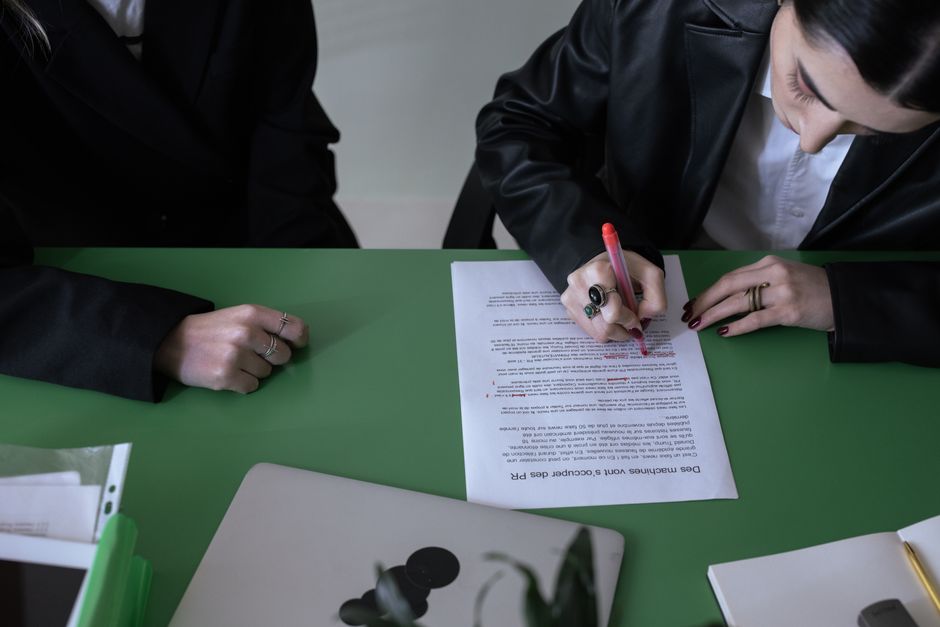
Professional proofreaders don't just look at words. They check the visual presentation too.
- Are all headers formatted consistently?
- Do fonts display correctly throughout the document?
- Are page breaks in logical places?
- Are image captions accurate and properly positioned?
- Do hyperlinks work and point to the right places?
- Is spacing and alignment uniform?
If you're preparing a document for print or digital publication, these details matter enormously. A misaligned image or inconsistent font weight can make a polished document look sloppy. Xcel Graphic Services understands this because they handle the entire publishing pipeline—they know that what looks good on screen needs to look flawless in print too.

Capitalization and Punctuation Standards
Capitalization rules are trickier than most people realize. Should "internet" be capitalized? What about "web" or "federal government"?
Professional proofreaders know these rules cold. They'll catch inconsistent capitalization, missing periods in abbreviations, incorrect quotation mark usage, and apostrophe errors. They'll verify that your document follows standard punctuation conventions or your chosen style guide.
They also check for those little things that are easy to miss: double spaces after periods, inconsistent dash usage (hyphens vs. en dashes vs. em dashes), and proper citation formatting.
Industry-Specific and Technical Accuracy
Many professional proofreaders specialize in specific fields. A medical proofreader knows pharmaceutical terminology, dosage conventions, and clinical abbreviations. A legal proofreader understands contract formatting and legal citation standards.
This expertise matters because mistakes in specialized content can be costly. A misplaced comma in a legal contract can change meaning. A misspelled medication name in medical copy is dangerous. A financial document with calculation errors undermines credibility.
When you're working with specialized content, you want a proofreader who understands your field, not just general English rules.
The Multi-Level Review Process
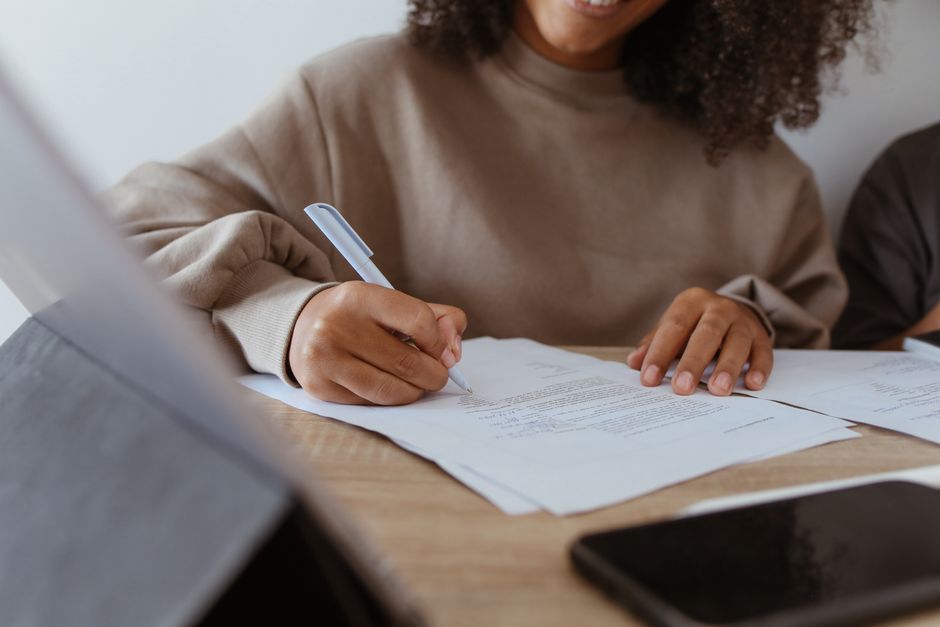
The best proofreading services employ multiple readers. One person reads for grammar and mechanics. Another reads for consistency and flow. A third might read specifically for formatting or industry-specific requirements.
Multiple sets of eyes catch errors that a single pass might miss. You also get the benefit of different expertise—one proofreader might be stronger in technical accuracy while another excels at catching subtle clarity issues.
This is why professional proofreading services are different from asking a friend to read your work. Friends are great, but they're not trained to catch the subtle, systematic issues that trained proofreaders spot automatically.
What Professional Proofreaders Don't Do
It's also worth knowing what's outside a proofreader's scope. They're not rewriting your content or restructuring your arguments. That's copyediting. They're not checking your research or fact-checking your claims. They're not improving your style or voice.
Related: Professional Book Editing Services: What to Know
Related: How Professional Copyediting Improves Your Manuscript
A proofreader assumes your content is correct and well-written. Their job is to make sure it's error-free, consistent, and polished before it reaches readers.
Why This Final Layer Matters
Think about the documents you read. When you notice an error, what's your first thought? Most people assume the writer or company was careless. Errors damage credibility, especially for professional content.
A single typo in a sales email or business proposal can cost you. An error in a published book looks unprofessional forever. A mistake in marketing copy signals that your company doesn't sweat the details.
Professional proofreading is the final quality checkpoint. It's the difference between "almost ready" and "ready to publish." Whether you're sending out a critical business document or preparing a manuscript for print, having a trained professional review your work is an investment in your reputation.
If you're managing the publication process for your organization, understanding what proofreaders actually check helps you communicate clearly about what you need. And if you're looking for a full-service publishing partner who handles everything from typesetting to final proofreading, Xcel Graphic Services specializes in this kind of comprehensive quality control to ensure your published work is flawless.
Real-World Impact Across Document Types
The specific focus of proofreading varies slightly depending on document type. Academic papers need citation accuracy and consistent formatting per MLA, APA, or Chicago style. Business documents need professional tone consistency and clear structure. Legal contracts require absolute precision in language and terminology.
Medical and pharmaceutical content requires accuracy with technical terms and regulatory compliance. Marketing materials need consistency in brand voice and messaging across multiple touchpoints. Each document type has its own standards, and professional proofreaders know them.
This is where specialized proofreading expertise becomes especially valuable. Generic proofreading catches basic errors. Specialized proofreading catches the errors that matter in your specific industry.
What about spell-check and grammar tools?
Digital tools like Grammarly, Microsoft Word, and others catch obvious errors. They're genuinely helpful for a first pass. But they miss contextual mistakes, they sometimes flag correct writing as wrong, and they can't understand nuance. They also can't ensure consistency across a long document or catch formatting issues. Tools are assistants, not replacements for human expertise.
How long does professional proofreading take?
It depends on document length, complexity, and turnaround needs. A 20-page report might take a few days. A 300-page book might take weeks with multiple reviewers. Rush services are available but typically cost more. The timeline also depends on how many passes the document needs and how much revision is required after the first review.
Can a proofreader fix major writing problems?
No. If your writing needs significant restructuring, clarity improvements, or argument strengthening, that's copyediting work, not proofreading. Proofreading assumes the content is solid and just needs polishing. If you're unsure whether you need copyediting or proofreading, discussing your document with a professional service can help clarify what stage your work is actually in.
Is professional proofreading worth the cost?
Yes, if your document matters. The cost of one error—a lost contract, damaged reputation, or failed publication—typically far exceeds the cost of professional proofreading. For critical business documents, academic work, or published materials, proofreading is standard practice, not an optional luxury.
Frequently Asked Questions
What about spell-check and grammar tools?
Digital tools like Grammarly, Microsoft Word, and others catch obvious errors. They're genuinely helpful for a first pass. But they miss contextual mistakes, they sometimes flag correct writing as wrong, and they can't understand nuance. They also can't ensure consistency across a long document or catch formatting issues. Tools are assistants, not replacements for human expertise.
How long does professional proofreading take?
It depends on document length, complexity, and turnaround needs. A 20-page report might take a few days. A 300-page book might take weeks with multiple reviewers. Rush services are available but typically cost more. The timeline also depends on how many passes the document needs and how much revision is required after the first review.
Can a proofreader fix major writing problems?
No. If your writing needs significant restructuring, clarity improvements, or argument strengthening, that's copyediting work, not proofreading. Proofreading assumes the content is solid and just needs polishing. If you're unsure whether you need copyediting or proofreading, discussing your document with a professional service can help clarify what stage your work is actually in.
Is professional proofreading worth the cost?
Yes, if your document matters. The cost of one error—a lost contract, damaged reputation, or failed publication—typically far exceeds the cost of professional proofreading. For critical business documents, academic work, or published materials, proofreading is standard practice, not an optional luxury.