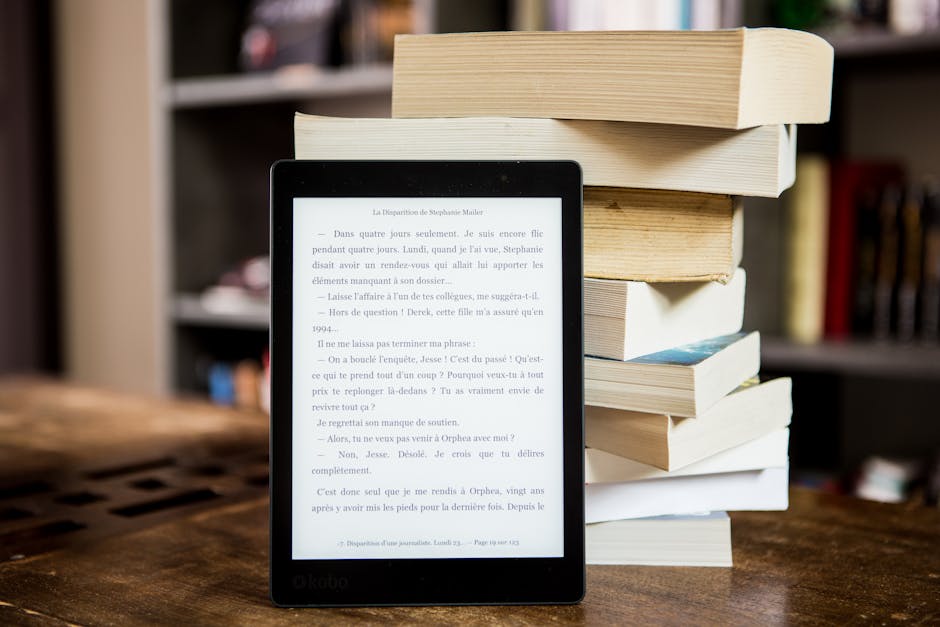

An eBook textbook is a digital version of educational content designed for reading, studying, and learning on computers, tablets, or smartphones. Instead of carrying around heavy printed books, you access course materials instantly across multiple devices, anytime and anywhere you need them.
What Makes an eBook Textbook Different From Print
The main difference is format. A traditional textbook is bound paper. An eBook textbook is a digital file that lives on your device or in the cloud.
Related: What Is an Ebook Editor and Why You Need One
Related: eBook Textbooks: What They Are & How They Work
Related: What Is an Ebook Maker? Complete Guide for Authors
Related: Textbook to LMS Conversion for Publishers: A Complete Guide
Related: What Does a Book Editor Do? Complete Guide
With an eBook textbook, you get features print simply can't offer. You can highlight text, add digital notes, search for specific terms, and adjust font sizes to fit your reading preference. Most eBook textbooks also let you bookmark important pages and organize study materials without pen marks or sticky notes.
Print textbooks are physical objects you own outright. eBook textbooks are usually accessed through a subscription or licensing model, meaning you're paying for access during a specific time period rather than permanent ownership. This distinction matters for your budget and how long you can reference the material.
Why Students and Professionals Choose eBook Textbooks
The biggest draw is cost. Students can save up to 80% by purchasing eTextbooks instead of traditional print versions. For institutions running professional development programs or corporate training initiatives, digital formats mean lower production and distribution costs.
Related: Ebook Print: Professional Publishing & POD Options
Related: What Does a Professional Proofreader Check
Speed matters too. There's no waiting for shipping. You get instant access the moment you enroll in a course or purchase a subscription. This is especially valuable for professionals taking online courses or updating their industry knowledge.
Accessibility is another major benefit. If you're visually impaired or prefer reading at a larger font size, eBook textbooks let you customize your experience. Multi-device support means you can read on your laptop during the day, switch to your tablet at night, and continue on your phone during your commute without losing your place.
Interactive features embedded in many eBook textbooks make studying more engaging. Built-in quizzes, video content, and embedded links to supplementary materials create a richer learning experience than static print pages.
How eBook Textbooks Are Formatted and Distributed
eBook textbooks come in several formats. The most common are PDF (a fixed layout that looks identical on all devices), EPUB (a reflowable format that adapts to screen size), and proprietary formats created by educational platforms or textbook publishers.
Related: Best eBook Conversion from Word to ePub for Publishers
You typically access eBook textbooks through a dedicated platform or app. Major educational providers host thousands of titles across disciplines like business, healthcare, engineering, sciences, and the humanities. Some platforms allow offline reading, which is helpful if your internet connection is unreliable.
Open Educational Resources (OER) represent a growing segment of eBook textbooks. These are freely licensed by authors and publishers for download, editing, and redistribution at no cost. Many institutions and educators customize open textbooks to fit specific course needs, adding local examples or removing irrelevant chapters.
Professional Development and Business Applications

Beyond traditional academic settings, eBook textbooks are becoming standard in professional services and corporate training. Leadership development programs, industry-specific certifications, and skills training often use digital textbooks to reach employees across multiple locations and time zones.
The professional services sector particularly benefits from the flexibility and customization options. A company can deploy updated training materials instantly to all employees without reprinting and reshipping physical copies. Compliance training, product knowledge, and regulatory updates can be versioned and distributed efficiently.
When organizations invest in creating or converting educational content to digital formats, Xcel Graphic Services handles the technical complexities of eBook conversion, typesetting, and formatting to ensure your content displays correctly across all devices and platforms.
Related: Print Book to eBook Conversion Services Explained

The Role of Technology in Modern eBook Textbooks
Artificial intelligence is beginning to reshape how eBook textbooks work. Some newer platforms use AI to personalize learning paths, recommend study materials based on student performance, and flag concepts where learners typically struggle.
Accessibility tools powered by text-to-speech technology make eBook textbooks usable for students with disabilities. Searchable content means you can find information in seconds instead of flipping through an index.
Cloud synchronization keeps your highlights, notes, and bookmarks synced across devices. This seamless experience is built into most modern eBook platforms and isn't available with print textbooks.
Getting Your Content Ready for Digital Distribution
If you're publishing educational material or converting existing textbooks to digital formats, the process involves more than scanning pages and uploading files. Your content needs proper typesetting, structural coding, and testing across multiple devices to ensure quality.
This is where specialized expertise makes a difference. Xcel Graphic Services offers eBook conversion services that handle everything from reformatting your layout to ensuring your textbook functions correctly on tablets, e-readers, and phones. Proper conversion means your readers get a polished experience, not scrambled formatting or broken links.
Copyediting and proofreading are equally important in digital formats because errors are just as visible on screen as they are in print, but digital distribution makes it harder to replace defective copies after launch.
The Future of eBook Textbooks
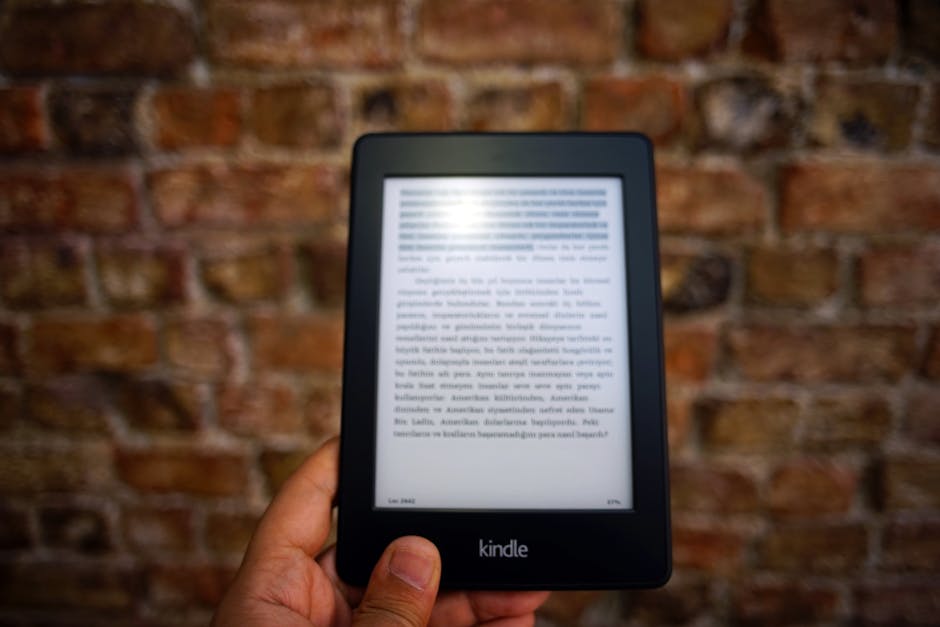
eBook textbooks continue evolving. Enhanced interactivity, integration with learning management systems, and adaptive learning technologies are becoming standard expectations rather than nice-to-have features.
Environmental and economic pressures favor digital formats. As more institutions adopt open textbook initiatives and institutions prioritize sustainable practices, eBook textbooks will likely continue growing as the primary format for educational content.
Related: STEM Textbook Math Typesetting: Best Practices & Standards
For authors and publishers, understanding how eBook textbooks work and investing in proper production ensures your content meets reader expectations and reaches your audience effectively. Xcel Graphic Services specializes in helping educational publishers and content creators navigate the technical and editorial requirements of digital textbook production.
Common Questions About eBook Textbooks
Can you print pages from an eBook textbook?
Most eBook textbooks allow you to print pages, though publishers often limit how much you can print at once or require you to print within a specific timeframe. Some platforms disable printing to protect intellectual property. Check your platform's terms to understand printing permissions.
Do eBook textbooks work offline?
Some do, some don't. Many platforms let you download content for offline reading, but others require an active internet connection. This varies by provider and subscription level, so confirm before purchasing if offline access matters to you.
How long can you access an eBook textbook after your subscription ends?
Access typically ends when your subscription expires. Unlike buying a print textbook, you won't keep the digital file permanently. Some institutions offer grace periods or archival access, but this isn't standard across all platforms.
Are eBook textbooks DRM-protected?
Most are. DRM (digital rights management) prevents unauthorized copying and sharing. This protects publishers' intellectual property but also means you can't easily move your files between devices or share your subscription with others.
Frequently Asked Questions
Can you print pages from an eBook textbook?
Most eBook textbooks allow you to print pages, though publishers often limit how much you can print at once or require you to print within a specific timeframe. Some platforms disable printing to protect intellectual property. Check your platform's terms to understand printing permissions.
Do eBook textbooks work offline?
Some do, some don't. Many platforms let you download content for offline reading, but others require an active internet connection. This varies by provider and subscription level, so confirm before purchasing if offline access matters to you.
How long can you access an eBook textbook after your subscription ends?
Access typically ends when your subscription expires. Unlike buying a print textbook, you won't keep the digital file permanently. Some institutions offer grace periods or archival access, but this isn't standard across all platforms.
Are eBook textbooks DRM-protected?
Most are. DRM (digital rights management) prevents unauthorized copying and sharing. This protects publishers' intellectual property but also means you can't easily move your files between devices or share your subscription with others.