
Printing your book is more straightforward than you might think, but the process involves several decisions upfront. Whether you're self-publishing, creating a professional portfolio, or producing copies for a niche audience, understanding your printing options and what to prepare beforehand makes the whole experience smoother.
Let's break down exactly what you need to know before you print your book.
Understand Your Book Format Options
When you decide to print your book, your first choice is which binding style makes sense for your project.
Hardcover books feel premium and durable. They're ideal if you're building author authority, creating a gift-quality product, or targeting readers who expect a polished physical object. Hardcovers cost more per unit but signal professionalism and craftsmanship.
Paperback is the classic choice for most authors. It's affordable, lightweight, and familiar to readers. Paperbacks work for fiction, memoirs, guides, and almost any genre. They're also easier to ship if you're handling fulfillment yourself.
Related: What Is an Ebook Maker? Complete Guide for Authors
Related: What Professional Book Editors Do: A Complete Guide
Coil-bound or spiral-bound formats are perfect if your book is practical or reference-focused, like workbooks, manuals, or training materials. Readers can flip pages flat, which is helpful for note-taking or hands-on use.
Before you commit to binding, think about your audience. Are they collectors who value a beautiful object? Practical users who need to reference information quickly? Budget-conscious readers? Your audience often determines the best format.
Decide on Size, Paper, and Finish
Customization is standard when you print your book. You're not locked into one standard size or paper type.
Book size matters. Standard trim sizes include 5.5 x 8.5 inches (very common), 6 x 9 inches (professional), and larger formats like 8.5 x 11 inches if you're printing a photo book, portfolio, or heavily illustrated work. Larger books cost more to print but create visual impact.
Paper stock affects both cost and feel. Standard offset paper is economical and works for most books. Heavier, premium paper stocks feel luxurious but increase per-unit costs. Glossy finishes pop visually and are great for photo-heavy books. Matte finishes feel refined and reduce glare, which readers appreciate during long reading sessions.
The cover finish matters too. Matte covers feel sophisticated. Glossy covers are eye-catching but can show fingerprints. Some printers offer soft-touch or specialty finishes that add perceived value without massive cost increases.
Prepare Your Files and Content
Before you print your book, your manuscript needs to be production-ready. This means more than just a spell-check.
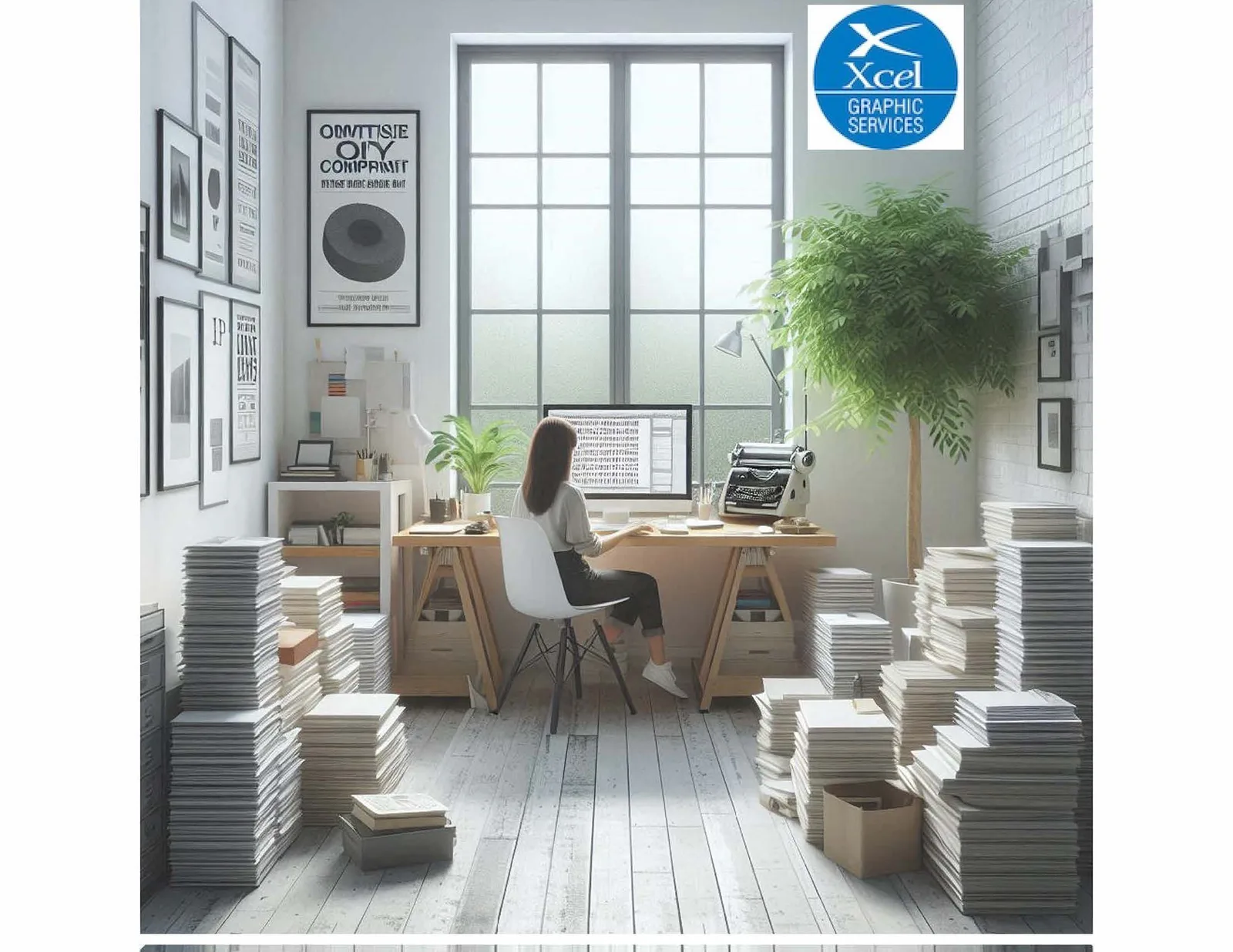
Your interior layout and typesetting should be professionally handled. Inconsistent fonts, poor spacing, widows (orphaned words at line ends), and awkward page breaks hurt readability. Xcel Graphic Services manages typesetting and layout so your book looks polished and reads smoothly across every page.
Your cover design needs to include front cover, spine, and back cover as one continuous file. The spine width depends on page count and paper thickness, which your printer calculates for you. If you're working with a designer, they should understand book printing specifications so your cover arrives print-ready.
Proofread everything. Typos that slip through to print are expensive to fix. Many publishers use professional copyediting and proofreading before printing, catching errors that your own eyes might miss after reading the same text dozens of times.
Choose Your Print Quantity

One huge advantage of modern printing is that you don't need massive print runs. Print-on-demand and short-run printing mean you can order exactly what you need right now.
Small quantities (50-500 copies) work if you're testing the market, creating gifts, or building inventory gradually. Per-unit costs are higher, but you reduce risk and waste.
Medium runs (500-2,000 copies) are economical if you're confident in sales or need stock for a specific event or campaign.
Large runs (2,000+ copies) offer the lowest per-unit cost but require storage and distribution planning. Only go this route if you have clear demand or a distribution channel ready.
The key is that you choose based on your actual needs, not an arbitrary industry standard.
Work with a Printer You Trust
Your printer's quality and communication matter enormously. A good printer catches potential problems before they become expensive mistakes.
Look for printers who specialize in books, not general commercial printing. Book printing is different from brochures or flyers. Book specialists understand trim sizes, spine calculations, cover-to-interior color matching, and the details that readers notice.
Ask about proofs. Many printers offer digital or physical proofs so you can review everything before full production. This step prevents reprinting costs if something's off.
Understand their timeline. Printing turnaround varies. Some printers promise faster turnaround for higher costs. Plan accordingly, especially if you have a launch date or event.
Factor in Distribution and Fulfillment
Printing your book is one step. Getting it to readers is another.
Some printers offer fulfillment services, meaning they store your books and ship them to customers or bulk orders on your behalf. This is convenient if you don't have warehouse space or want to avoid handling logistics yourself.
If you're distributing globally, check whether your printer partners with international distributors or if you'll need a separate fulfillment setup in different regions.
Consider environmental impact too. Some readers care about sustainable printing practices, recycled paper, or carbon-neutral shipping. Printers increasingly offer eco-friendly options. If your audience values sustainability, highlighting these choices can strengthen your book's appeal.
For more detailed guidance on preparing every element of your book for print, Xcel Graphic Services helps authors and publishers handle the complex production details so printing feels simple.
Common Questions About Printing Your Book

What file format does my printer need?
Most professional book printers accept PDF files. Your designer or layout specialist should deliver a press-ready PDF with all fonts embedded, images at proper resolution (300 dpi), and color profiles set correctly. Ask your printer's specs upfront so you're not troubleshooting file issues after submitting.
Can I print a book if I'm still editing?
Technically yes, but it's risky. Any changes after printing means wasted copies. Finish editing, proofread thoroughly, and get feedback from trusted readers before committing to print. Last-minute edits are expensive.
How long does it take to print a book?
Timelines vary. Standard turnaround is typically 2-4 weeks depending on quantity, binding complexity, and the printer's current workload. Rush options exist but cost more. Plan for at least 2-3 weeks minimum if you're new to printing.
What's the difference between print-on-demand and offset printing?
Print-on-demand prints books as orders come in, one at a time or in small batches. No upfront inventory needed. Offset printing produces large quantities at once, lowering per-unit cost but requiring storage and upfront investment. Choose based on your sales forecast and storage capacity.
Frequently Asked Questions
What file format does my printer need?
Most professional book printers accept PDF files. Your designer or layout specialist should deliver a press-ready PDF with all fonts embedded, images at proper resolution (300 dpi), and color profiles set correctly. Ask your printer's specs upfront so you're not troubleshooting file issues after submitting.
Can I print a book if I'm still editing?
Technically yes, but it's risky. Any changes after printing means wasted copies. Finish editing, proofread thoroughly, and get feedback from trusted readers before committing to print. Last-minute edits are expensive.
How long does it take to print a book?
Timelines vary. Standard turnaround is typically 2-4 weeks depending on quantity, binding complexity, and the printer's current workload. Rush options exist but cost more. Plan for at least 2-3 weeks minimum if you're new to printing.
What's the difference between print-on-demand and offset printing?
Print-on-demand prints books as orders come in, one at a time or in small batches. No upfront inventory needed. Offset printing produces large quantities at once, lowering per-unit cost but requiring storage and upfront investment. Choose based on your sales forecast and storage capacity.