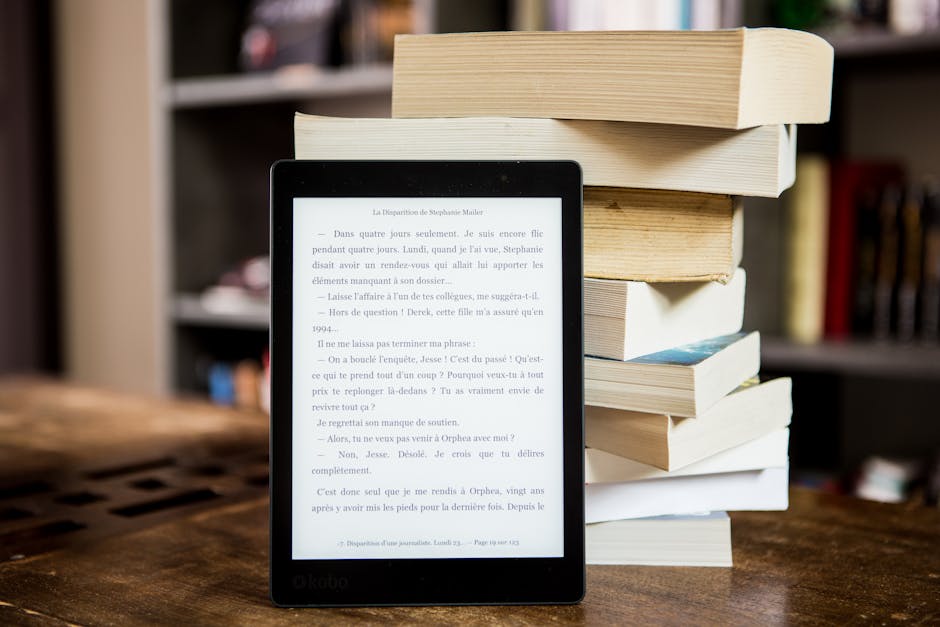
An ebook editor is a professional who specializes in preparing manuscripts specifically for digital distribution. Unlike general editors who work on print books, ebook editors understand the unique demands of digital formats, file conversions, and how readers experience your content on screens.
If you're publishing an ebook, an ebook editor handles more than just grammar and spelling. They ensure your manuscript is optimized for the digital experience—checking that your formatting won't break across devices, your navigation is clean, and your content reads smoothly on phones, tablets, and e-readers.
Related: eBook Textbooks: What They Are & How They Work
Related: What Is an eBook Textbook and How Does It Work?
What Does an Ebook Editor Actually Do?
An ebook editor wears several hats depending on what your manuscript needs. Here's what typically falls under their scope.
Copyediting for clarity and consistency
Your ebook editor catches grammar errors, typos, and awkward phrasing. They check that your tone stays consistent throughout and that your sentences are clear and punchy. This is essential because readers consume ebooks differently—usually faster, on smaller screens—so every word counts.
Structural and developmental feedback
Some ebook editors go deeper and help you organize your ideas, strengthen your arguments, or improve chapter flow. They'll flag sections that confuse readers or ideas that need better support. This kind of feedback shapes your manuscript before it's too late to change direction.
Format and digital optimization
This is where ebook editors differ from traditional book editors. They understand how your manuscript will behave in EPUB format (the standard for most ebook platforms) and other digital delivery methods. They catch formatting issues that could create problems during conversion—things like broken chapter breaks, improper heading hierarchies, or image placement that won't work on all devices.
Proofreading before distribution
A final pass catches any remaining errors before your ebook goes live. This step is crucial because once your file is published to retailers, fixing mistakes becomes much harder.
When Should You Hire an Ebook Editor?
You need an ebook editor if you're publishing a professional ebook and you want readers to actually finish it. Seriously—whether you're writing a business guide, a memoir, fiction, or educational content, an editor makes the difference between a manuscript that feels polished and one that feels like a first draft.
If you're self-publishing, this step is non-negotiable. You're competing with traditionally published books, and readers have high expectations. An unedited ebook signals that you don't care enough about your own work.
If you're publishing through a traditional publisher, they'll usually assign an editor. But if you're going independent or publishing with a small press that offers limited support, hiring your own ebook editor ensures your book gets the attention it deserves.
Ebook Editors vs. Print Editors: Key Differences
A print editor focuses on content, story, and grammar for a book that will be typeset and printed. An ebook editor cares about all of that plus how your content will behave in digital formats.
Print editors may not know EPUB specifications, how reflowable text works on different devices, or how to structure a manuscript so it converts cleanly to digital formats. An ebook editor does. They're thinking about how your chapter headings will display on a Kindle, whether your images will scale correctly on a phone, and whether your hyperlinks and navigation will work properly.
If you're publishing both in print and digital, you might work with both types of editors—or find an editor experienced in both workflows. The good news is that if your ebook is edited first with digital in mind, converting it to print is usually straightforward. Going the other direction often creates extra work.
Tools Ebook Editors Use vs. What You Need

A professional ebook editor works with specialized software designed for manuscript editing and digital publishing workflows. They're not just using general document tools like Microsoft Word.
On your end, you don't necessarily need special software to prepare your manuscript before sending it to an editor. A clean Word document or Google Doc works fine. But if you're handling the conversion yourself—which we don't recommend without experience—you'll need tools that work natively with EPUB format rather than adapting design software or converting from PDF, which often creates formatting errors and headaches.
If you want professional handling of the entire process, including copyediting, proofreading, and preparing your final ebook file for distribution, Xcel Graphic Services manages all those steps so you don't have to juggle multiple vendors or learn the technical side yourself.

How to Find and Work With an Ebook Editor
Look for editors who specifically mention ebook experience on their website or portfolio. Ask them about their experience with EPUB, reflowable formats, and digital distribution platforms.
When you hire an ebook editor, provide context about your project: What's the genre or subject? Who's your reader? Where will you publish (Amazon, Apple Books, your own website, all of the above)? Different platforms have slightly different requirements, and a good editor knows how to optimize for where your ebook will live.
Discuss timeline, pricing, and revision rounds upfront. Some editors charge by the hour, others by the project or by the word. Make sure you understand what's included—copyediting only, or also format review? One revision round or unlimited?
The Bigger Picture: Ebook Editors as Part of Your Publishing Team
An ebook editor is one part of the publishing puzzle. You also need to think about cover design, interior layout, and getting your file ready for different distribution channels. Some authors handle everything themselves, but most benefit from bringing in specialists.
If you're publishing independently, you're essentially acting as a publisher. That means managing multiple vendors or finding someone who can coordinate the whole process. If you're working with a traditional publisher, they'll manage this for you, but understanding what each role does helps you communicate better and spot gaps in the workflow.
The goal is simple: a finished ebook that looks professional, reads smoothly, and works correctly on every device your readers will use. An ebook editor ensures that happens. When you're ready to move from manuscript to a finished, formatted ebook file, professional publishing services can handle the entire production pipeline—from final copyediting through file conversion and delivery.
People Also Ask

How much does an ebook editor cost?
Pricing depends on your manuscript length, the type of editing you need, how quickly you need it, and the editor's experience level. There's no standard rate. Get quotes from a few editors based on your specific project, and remember that cheaper isn't always better—an editor who misses problems costs you more in the long run.
Do I need an ebook editor if I'm publishing on Amazon?
Yes. Amazon's platform is accessible, but that doesn't mean your ebook is production-ready. An editor catches errors, improves readability, and ensures your file meets Amazon's standards. A polished ebook gets better reviews and higher visibility in search results.
Can I edit my own ebook?
You can try, but it's genuinely hard to catch your own mistakes. Your brain sees what you meant to write, not what's actually on the page. Self-editing helps, but a professional editor catches things you'll miss. If budget is tight, at least hire someone for a proofreading pass before you publish.
What's the difference between developmental editing and copyediting for ebooks?
Developmental editing looks at big-picture issues: Does your story flow? Are your arguments clear? Does the structure work? Copyediting focuses on sentence-level clarity, grammar, consistency, and style. For ebooks, both matter, but copyediting is the minimum. If your manuscript needs structural help, add developmental editing to your plan.
Frequently Asked Questions
Copyediting for clarity and consistencyYour ebook editor catches grammar errors, typos, and awkward phrasing. They check that your tone stays consistent throughout and that your sentences are clear and punchy. This is essential because readers consume ebooks differently—usually faster, on smaller screens—so every word counts.Structural and developmental feedbackSome ebook editors go deeper and help you organize your ideas, strengthen your arguments, or improve chapter flow. They'll flag sections that confuse readers or ideas that need better support. This kind of feedback shapes your manuscript before it's too late to change direction.Format and digital optimizationThis is where ebook editors differ from traditional book editors. They understand how your manuscript will behave in EPUB format (the standard for most ebook platforms) and other digital delivery methods. They catch formatting issues that could create problems during conversion—things like broken chapter breaks, improper heading hierarchies, or image placement that won't work on all devices.Proofreading before distributionA final pass catches any remaining errors before your ebook goes live. This step is crucial because once your file is published to retailers, fixing mistakes becomes much harder.When Should You Hire an Ebook Editor?You need an ebook editor if you're publishing a professional ebook and you want readers to actually finish it. Seriously—whether you're writing a business guide, a memoir, fiction, or educational content, an editor makes the difference between a manuscript that feels polished and one that feels like a first draft.If you're self-publishing, this step is non-negotiable. You're competing with traditionally published books, and readers have high expectations. An unedited ebook signals that you don't care enough about your own work.If you're publishing through a traditional publisher, they'll usually assign an editor. But if you're going independent or publishing with a small press that offers limited support, hiring your own ebook editor ensures your book gets the attention it deserves.Ebook Editors vs. Print Editors: Key DifferencesA print editor focuses on content, story, and grammar for a book that will be typeset and printed. An ebook editor cares about all of that plus how your content will behave in digital formats.Print editors may not know EPUB specifications, how reflowable text works on different devices, or how to structure a manuscript so it converts cleanly to digital formats. An ebook editor does. They're thinking about how your chapter headings will display on a Kindle, whether your images will scale correctly on a phone, and whether your hyperlinks and navigation will work properly.If you're publishing both in print and digital, you might work with both types of editors—or find an editor experienced in both workflows. The good news is that if your ebook is edited first with digital in mind, converting it to print is usually straightforward. Going the other direction often creates extra work.Tools Ebook Editors Use vs. What You NeedA professional ebook editor works with specialized software designed for manuscript editing and digital publishing workflows. They're not just using general document tools like Microsoft Word.On your end, you don't necessarily need special software to prepare your manuscript before sending it to an editor. A clean Word document or Google Doc works fine. But if you're handling the conversion yourself—which we don't recommend without experience—you'll need tools that work natively with EPUB format rather than adapting design software or converting from PDF, which often creates formatting errors and headaches.If you want professional handling of the entire process, including copyediting, proofreading, and preparing your final ebook file for distribution, Xcel Graphic Services manages all those steps so you don't have to juggle multiple vendors or learn the technical side yourself.How to Find and Work With an Ebook EditorLook for editors who specifically mention ebook experience on their website or portfolio. Ask them about their experience with EPUB, reflowable formats, and digital distribution platforms.When you hire an ebook editor, provide context about your project: What's the genre or subject? Who's your reader? Where will you publish (Amazon, Apple Books, your own website, all of the above)? Different platforms have slightly different requirements, and a good editor knows how to optimize for where your ebook will live.Discuss timeline, pricing, and revision rounds upfront. Some editors charge by the hour, others by the project or by the word. Make sure you understand what's included—copyediting only, or also format review? One revision round or unlimited?The Bigger Picture: Ebook Editors as Part of Your Publishing TeamAn ebook editor is one part of the publishing puzzle. You also need to think about cover design, interior layout, and getting your file ready for different distribution channels. Some authors handle everything themselves, but most benefit from bringing in specialists.If you're publishing independently, you're essentially acting as a publisher. That means managing multiple vendors or finding someone who can coordinate the whole process. If you're working with a traditional publisher, they'll manage this for you, but understanding what each role does helps you communicate better and spot gaps in the workflow.The goal is simple: a finished ebook that looks professional, reads smoothly, and works correctly on every device your readers will use. An ebook editor ensures that happens. When you're ready to move from manuscript to a finished, formatted ebook file, professional publishing services can handle the entire production pipeline—from final copyediting through file conversion and delivery.People Also AskHow much does an ebook editor cost?
Pricing depends on your manuscript length, the type of editing you need, how quickly you need it, and the editor's experience level. There's no standard rate. Get quotes from a few editors based on your specific project, and remember that cheaper isn't always better—an editor who misses problems costs you more in the long run.
Do I need an ebook editor if I'm publishing on Amazon?
Yes. Amazon's platform is accessible, but that doesn't mean your ebook is production-ready. An editor catches errors, improves readability, and ensures your file meets Amazon's standards. A polished ebook gets better reviews and higher visibility in search results.
Can I edit my own ebook?
You can try, but it's genuinely hard to catch your own mistakes. Your brain sees what you meant to write, not what's actually on the page. Self-editing helps, but a professional editor catches things you'll miss. If budget is tight, at least hire someone for a proofreading pass before you publish.
What's the difference between developmental editing and copyediting for ebooks?
Developmental editing looks at big-picture issues: Does your story flow? Are your arguments clear? Does the structure work? Copyediting focuses on sentence-level clarity, grammar, consistency, and style. For ebooks, both matter, but copyediting is the minimum. If your manuscript needs structural help, add developmental editing to your plan.