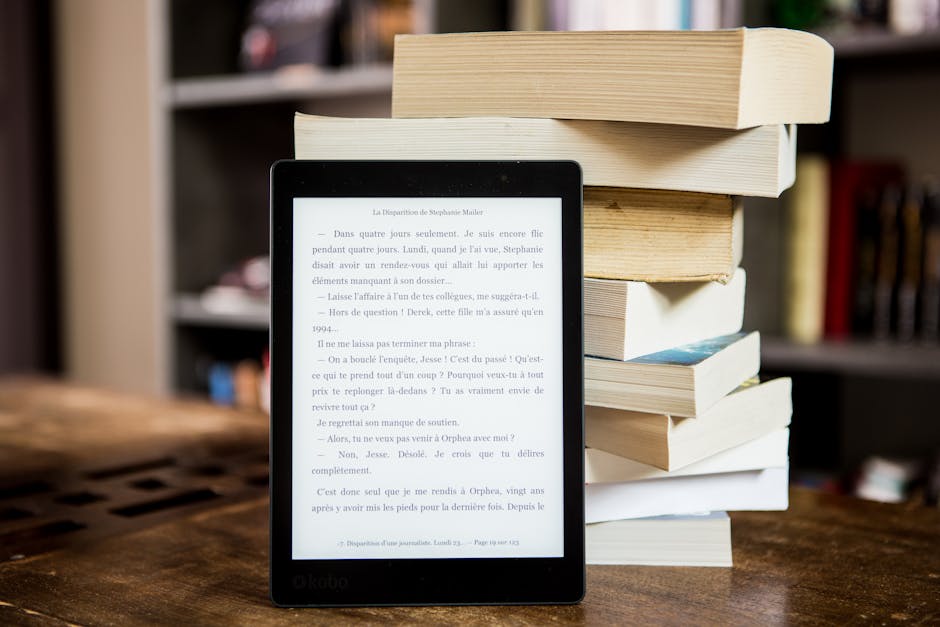

eBook textbooks are digital versions of traditional printed textbooks that you can read on phones, tablets, laptops, or e-readers. They're accessible instantly after purchase or rental, come with built-in tools for highlighting and note-taking, and often cost a fraction of what print versions do. If you're a student, educator, or institution looking to cut costs while maintaining access to quality course materials, understanding how eBook textbooks work is your first step.
Why eBook Textbooks Are Changing Education
The shift toward eBook textbooks isn't just about convenience, though that matters. The numbers tell the story: students can save up to 80% by choosing digital versions over printed ones. That's significant when textbooks for a single semester can run into hundreds of dollars.
Related: What Is an Ebook Maker? Complete Guide for Authors
Related: What Is an eBook Textbook and How Does It Work?
Beyond cost, eBook textbooks give you flexibility. You can access them instantly without waiting for shipping. You can carry an entire library in your backpack. You can search for terms across hundreds of pages in seconds. And rental options starting at prices as low as $4.99 per eBook make them even more accessible for short-term courses or supplementary materials.
Related: Ebook Print: Professional Publishing & POD Options
Related: Book Conventions: What They Are & How to Get the Most Out of Them
Key Features You'll Find in Most eBook Textbooks
When you open an eBook textbook, you're getting more than just text on a screen. Most platforms include features designed specifically for learning:
Related: Publishing Services: What They Include & Why You Need Them
- Highlighting and note-taking: Mark important passages and create margin notes directly within the book without damaging anything.
- Search functionality: Find specific topics, formulas, or references instantly instead of flipping through an index.
- Adjustable text size: Change font sizes to suit your eyesight or reading preferences.
- Offline access: Download chapters to read without an internet connection (depending on the platform).
- Integration with learning management systems: Many eBook textbooks sync with your school's course platform so assignments and reading lists are centralized.
The Scale of eBook Textbooks Available Today
The market has grown massively. Over 400,000 eBook textbooks are available across platforms, covering subjects from introductory biology to advanced business strategy. That scale means whether you're studying engineering, nursing, accounting, or professional development, there's a digital version waiting for you.
This availability has created opportunities not just for traditional academic learning but for professional services and B2B education. Organizations use eBook textbooks for employee training, leadership development, and technical certification programs. The flexibility of digital formats makes them ideal for workforces that need to learn on their own schedules.
How Rental vs. Purchase Models Work

eBook textbooks come with flexible options. You can buy permanent access if you want to keep the material long-term, or rent for a semester or specific time period at a lower cost. Rental periods vary by platform and publisher, and pricing tiers let you choose what fits your budget and needs.
Some rentals are non-refundable after a short window (usually 14 days), so read the terms carefully. Others offer print-on-demand options if you need a physical copy alongside the digital version. The key is knowing upfront what access means: can you keep notes and highlights if you return the rental? Can you print pages? These details vary, so always check before committing.
Platforms and Access Across Devices
eBook textbooks work on nearly any device. You can read on your phone while commuting, switch to a tablet during a study session, and continue on your laptop at home. Synchronization across devices means your highlights and notes follow you wherever you are.
Leading platforms like VitalSource provide access to hundreds of thousands of titles and have built infrastructure specifically for educational institutions. But eBook textbooks also live on general e-reader platforms and publisher websites, so your access point depends on where you purchase or where your school provides the materials.
Creating and Publishing eBook Textbooks: A Behind-the-Scenes Look
If you're an author, educator, or publisher creating textbook content, turning a manuscript into a polished eBook textbook involves more than converting a Word document to PDF. The process requires careful formatting, responsive design that works on every screen size, proper metadata for discoverability, and conversion to formats that maintain layout integrity across platforms.
Related: Best eBook Conversion from Word to ePub for Publishers
This is where specialized publishing production support becomes valuable. Xcel Graphic Services handles the technical and editorial complexity of preparing textbook content for digital distribution. That includes typesetting that looks crisp on small screens, proofreading to catch errors before publication, and conversion to eBook formats that platforms actually accept without errors.
Related: What Is an Ebook Editor and Why You Need One
Related: Print Book to eBook Conversion Services Explained

Cost Savings and Accessibility: The Real Impact
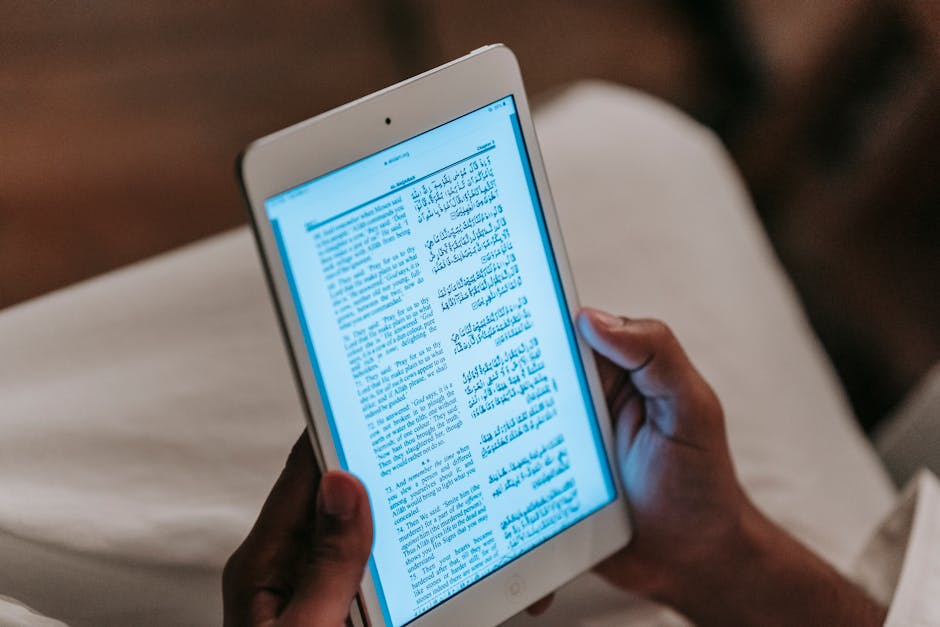
When a student saves 80% on textbooks, that money goes toward housing, food, or other essentials. At scale, eBook textbooks have reduced barriers to education. Students who might have skipped buying a required text because of cost can now afford rental access.
Institutions benefit too. Schools can distribute materials more easily, track usage, and update content faster than with printed editions. Publishers can reach global audiences without printing and shipping costs. And learners in remote areas gain access to materials that may never have been available in print locally.
The research community continues studying digital learning outcomes, and while results are nuanced, the consensus is clear: access matters, and eBook textbooks remove friction from getting materials into students' hands.
What's Next for eBook Textbooks
The landscape is evolving. Interactive elements like embedded videos, quizzes, and simulations are becoming standard in eBook textbooks. AI-powered tools are beginning to personalize reading experiences. And flexible subscription models are emerging as alternatives to traditional rental or purchase.
For professional services and B2B training, eBook textbooks are becoming the default for upskilling and certification. Organizations value the scalability, the ability to update content quickly, and the data insights about what people are actually reading.
If you're publishing textbook content or preparing materials for digital distribution, understanding these trends matters. Xcel Graphic Services stays current with format standards and platform requirements so your eBook textbook launches clean and performs well wherever readers access it.
Common Questions About eBook Textbooks
Can you print pages from an eBook textbook?
Most eBook textbooks allow printing, but it's often limited to a certain number of pages per session or requires you to print within a specific timeframe. Some rental agreements restrict printing more than purchase agreements do. Check your platform's terms and your specific book's permissions before assuming you can print everything.
Do eBook textbooks work offline?
It depends on the platform. Many allow you to download chapters for offline reading, but not all. VitalSource and similar platforms typically support offline access if you download content while connected. Always verify this feature for your platform before relying on it for travel or areas with poor connectivity.
What happens to my highlights and notes when a rental expires?
This varies by platform and publisher. Some platforms let you export or save your notes before access ends. Others don't preserve them. It's worth asking about this upfront, especially if you plan to study the material again or want to retain your work for reference.
Are eBook textbooks DRM-protected?
Most are, yes. Digital Rights Management (DRM) prevents unauthorized copying and sharing, which protects publishers and authors. This means you can't freely copy large sections or share your rental with classmates. It's a trade-off between affordability and publisher protection that exists by design.
Frequently Asked Questions
Can you print pages from an eBook textbook?
Most eBook textbooks allow printing, but it's often limited to a certain number of pages per session or requires you to print within a specific timeframe. Some rental agreements restrict printing more than purchase agreements do. Check your platform's terms and your specific book's permissions before assuming you can print everything.
Do eBook textbooks work offline?
It depends on the platform. Many allow you to download chapters for offline reading, but not all. VitalSource and similar platforms typically support offline access if you download content while connected. Always verify this feature for your platform before relying on it for travel or areas with poor connectivity.
What happens to my highlights and notes when a rental expires?
This varies by platform and publisher. Some platforms let you export or save your notes before access ends. Others don't preserve them. It's worth asking about this upfront, especially if you plan to study the material again or want to retain your work for reference.
Are eBook textbooks DRM-protected?
Most are, yes. Digital Rights Management (DRM) prevents unauthorized copying and sharing, which protects publishers and authors. This means you can't freely copy large sections or share your rental with classmates. It's a trade-off between affordability and publisher protection that exists by design.