
A textbook is a structured educational resource designed to teach a specific subject or skill to students at any level. Unlike casual reading, textbooks are deliberately organized, fact-checked, and built with learning objectives in mind. They're the backbone of formal education, professional training, and self-directed learning across industries.
Whether you're an author planning your first educational book, an educator evaluating resources for your classroom, or a publisher handling textbook production, understanding what makes a textbook work is essential. The definition goes beyond just "a book used in school." It's about intentional design, credibility, and usability.
Related: What Is the Appendix of a Book? Definition & Purpose
The Core Definition of a Textbook
A textbook is an instructional book that presents information systematically, usually organized by chapters, topics, or learning modules. It's written specifically to help readers master a subject from foundational concepts to advanced applications.
Key characteristics include:
Related: Publishing Services: What They Include & Why You Need Them
Related: Publishing Production Services for Authors: A Complete Guide
- Structured progression (beginner to advanced)
- Clear learning objectives at the start of chapters
- Explanations backed by examples and illustrations
- Practice questions, exercises, or assessments
- Indexes and cross-references for easy navigation
- Accuracy verified through peer review or expert vetting
Textbooks differ from trade books (written for general audiences) or reference books (designed for lookup rather than sequential learning). A textbook expects readers to engage with content in order and build knowledge progressively.
Why Textbooks Matter in Professional and Academic Settings
Textbooks serve a critical role in how people learn. In schools, they standardize curriculum and ensure consistency. In professional development, they provide structured pathways for upskilling. In regulated fields like healthcare, law, and engineering, textbooks often set the baseline for industry standards.
The textbook market reflects what professionals care about right now. Business textbooks in 2026 emphasize AI integration, decision quality, and strategic thinking. Marketing and B2B strategy guides focus on scaling local service businesses and optimizing operations. These aren't random choices—they're driven by what practitioners actually need to succeed.
Textbooks also democratize knowledge. Open-source textbooks like OpenStax offer free, peer-reviewed content across subjects, making education more accessible. Digital versions allow readers to access the same material across devices, search instantly, and adjust text sizes for readability.
How Textbooks Are Structured for Learning
Effective textbooks follow a deliberate architecture. Each chapter typically opens with an overview of what you'll learn, then builds concepts from simple to complex. Sidebars highlight real-world applications. Case studies show how theory works in practice.
Visual elements matter enormously. Diagrams, charts, photographs, and infographics help readers grasp abstract concepts faster than text alone. Textbooks also include summaries at the end of chapters, reinforcing key takeaways, plus glossaries defining specialized terms.
The best textbooks guide readers through three stages:
- Introduction (what you need to know and why)
- Explanation (how concepts work, supported by examples)
- Application (practice, problems, and real-world scenarios)
This structure is intentional. It mirrors how the human brain learns best—context first, then details, then practice.
Textbooks in Digital and Print Formats

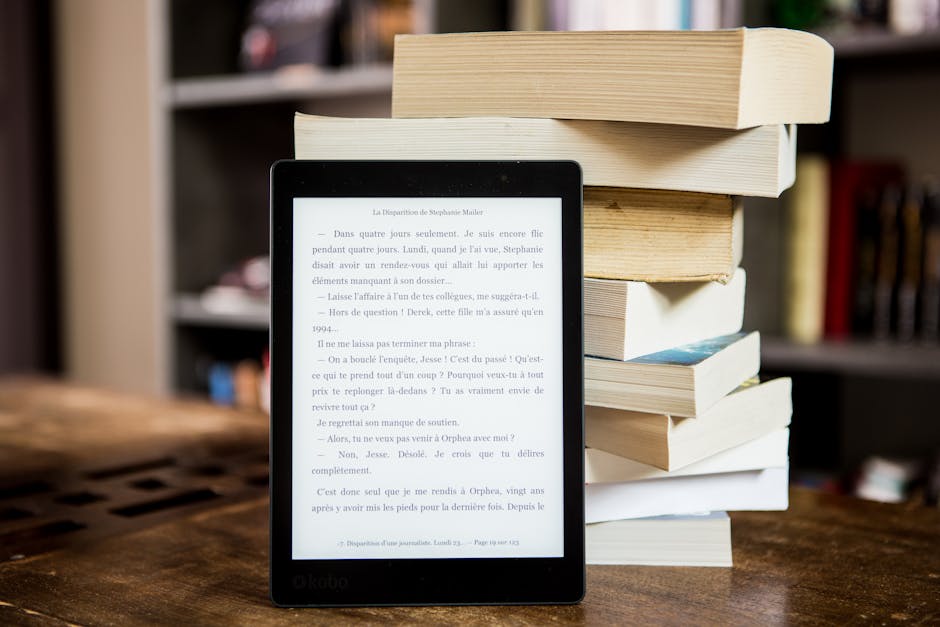
Today's textbooks exist in multiple formats. Print textbooks remain popular for subjects requiring note-taking and non-linear browsing. Digital versions (eTextbooks) offer searchability, reduced cost, and accessibility features like adjustable fonts and audio narration.
Publishing a textbook in both formats requires careful planning. Print editions need professional typesetting to ensure readability and proper page breaks. Digital editions require conversion to formats like EPUB or PDF that render correctly on phones, tablets, and e-readers. When converting textbooks to eBook formats, maintaining illustrations, equations, and cross-references becomes crucial—and that's where expertise makes all the difference.
Many educational institutions and learners now choose digital for cost savings. Open educational resources have become increasingly competitive, offering free alternatives to expensive commercial textbooks while maintaining academic rigor.
The Publishing Process Behind Textbooks
Creating a textbook isn't like publishing a novel. It requires subject-matter expertise, rigorous fact-checking, and often input from multiple contributors. Publishers coordinate with authors, academics, illustrators, and subject experts to ensure accuracy and clarity.
Related: What Is a Computer Book? Publishing Guide for Tech Authors
Related: How to Number Book Pages: Best Practices for Publishing
The production phase is equally demanding. Textbooks rely heavily on precise typesetting to handle complex material—equations in math texts, nomenclature in chemistry, syntax in programming books. Every diagram must align properly. Every cross-reference must be accurate.
Professional copyediting and proofreading ensure that explanations are clear, terminology is consistent, and errors don't confuse learners. For textbooks, a single mistake can undermine credibility across an entire institution. This is why many publishers work with specialized production partners to handle typesetting, indexing, and quality control.
If you're publishing a textbook and need support with layout, indexing, copyediting, or digital conversion, understanding what makes these services essential helps you ask better questions. Xcel Graphic Services handles exactly these production challenges—coordinating the technical details so your textbook arrives polished, professional, and ready to teach.
What Makes a Good Textbook?
A strong textbook balances comprehensiveness with accessibility. It covers the subject deeply without overwhelming beginners. It uses clear language but doesn't condescend. It challenges readers with complex problems while offering enough scaffolding to succeed.
Readability matters as much as accuracy. Dense paragraphs and tiny fonts drive learners away. Generous white space, varied sentence length, and strategic emphasis (bold, italics, callout boxes) keep readers engaged and help them retain information.
Finally, good textbooks anticipate learner questions. They explain the "why" behind concepts, not just the "what." They connect new material to familiar ideas. They include practice problems that range from straightforward application to complex synthesis.
Key Takeaways on Textbooks
A textbook is far more than a thick book with a lot of information. It's a carefully designed tool for learning, built on clear organization, verified accuracy, and intentional pedagogy. Whether printed or digital, textbooks serve professionals, students, and self-directed learners across every field.
If you're involved in textbook creation or publishing, remember that every element—from chapter structure to typography to indexing—affects how readers absorb knowledge. The details matter, which is why working with experienced publishing professionals ensures your textbook reaches its full potential.
Related: Ebook Print: Professional Publishing & POD Options
What's the difference between a textbook and a trade book?
A textbook is designed for systematic learning with structured progression, learning objectives, and practice exercises. A trade book is written for general readers and doesn't necessarily follow a sequential teaching model. Trade books entertain, inform, or explore ideas; textbooks teach specific skills or knowledge.
Can textbooks be self-published?
Yes, authors can self-publish textbooks. However, self-published textbooks still require professional-level copyediting, fact-checking, and production work to be credible. Readers trust textbooks less if they appear amateur in design or contain errors. Professional support ensures your content meets academic or professional standards.
Why do textbooks cost so much?
Textbooks involve significant investment in research, writing, expert review, illustration, and production. Publishers also factor in smaller print runs compared to trade books, which drives per-unit costs higher. Digital versions and open-source alternatives have begun lowering costs, but traditional textbooks reflect the expertise and quality assurance required for educational content.
How do I know if a textbook is authoritative?
Check whether it's peer-reviewed, whether the author holds relevant credentials, whether it's published by a recognized academic or professional publisher, and whether it cites sources. Look for indexes, bibliographies, and evidence of fact-checking. If you're adopting a textbook for a course, review sample chapters and check instructor reviews or adoption networks in your field.
Frequently Asked Questions
What's the difference between a textbook and a trade book?
A textbook is designed for systematic learning with structured progression, learning objectives, and practice exercises. A trade book is written for general readers and doesn't necessarily follow a sequential teaching model. Trade books entertain, inform, or explore ideas; textbooks teach specific skills or knowledge.
Can textbooks be self-published?
Yes, authors can self-publish textbooks. However, self-published textbooks still require professional-level copyediting, fact-checking, and production work to be credible. Readers trust textbooks less if they appear amateur in design or contain errors. Professional support ensures your content meets academic or professional standards.
Why do textbooks cost so much?
Textbooks involve significant investment in research, writing, expert review, illustration, and production. Publishers also factor in smaller print runs compared to trade books, which drives per-unit costs higher. Digital versions and open-source alternatives have begun lowering costs, but traditional textbooks reflect the expertise and quality assurance required for educational content.
How do I know if a textbook is authoritative?
Check whether it's peer-reviewed, whether the author holds relevant credentials, whether it's published by a recognized academic or professional publisher, and whether it cites sources. Look for indexes, bibliographies, and evidence of fact-checking. If you're adopting a textbook for a course, review sample chapters and check instructor reviews or adoption networks in your field.