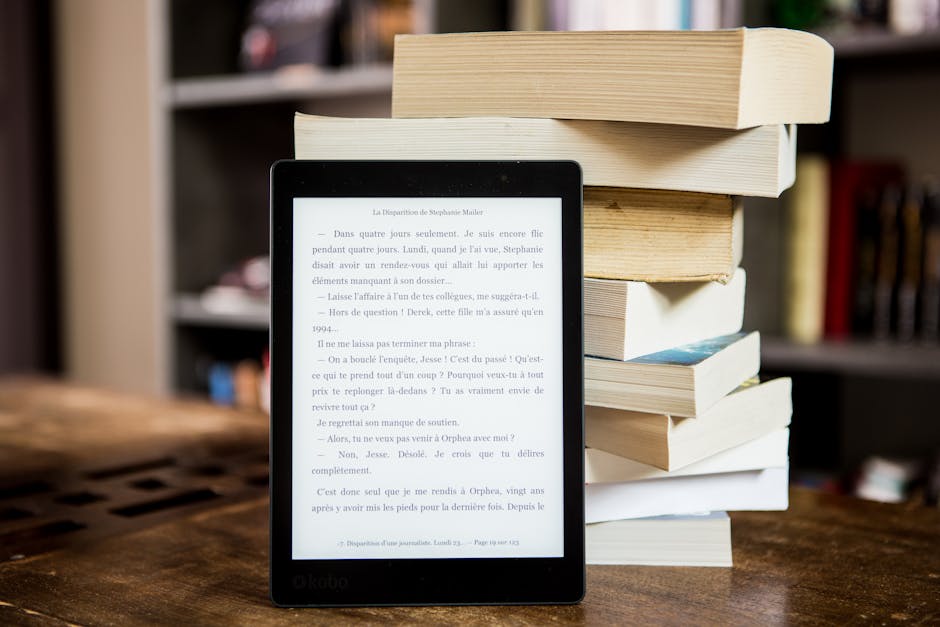

An appendix is a supplemental section at the very end of a book that contains supporting material readers don't need to follow the main story or argument, but might want to reference later.
Think of it as a bonus toolkit. Your readers can finish the book without ever opening it. But if they want to dive deeper into specific details, verify sources, or explore related information, the appendix is there waiting.
Why Books Have Appendices
The main reason authors add an appendix is simple: flow protection. If you stuffed every reference document, detailed chart, or long list into your chapters, readers would get bogged down. The narrative stops. The rhythm breaks.
An appendix lets you include that material without interrupting the reader's journey through your actual content. It's considerate. It keeps your core message clear while proving you've done your homework.
For non-fiction books especially, an appendix builds credibility. It shows you have sources, data, and evidence backing up what you've written. Readers trust authors who are transparent about where their information comes from.
Common Types of Content in an Appendix
Different books use appendices differently depending on genre and purpose. Here's what typically goes back there:
- Research documents: Interview transcripts, survey results, or legal documents referenced in the text
- Data tables and charts: Detailed statistics that would slow down reading if placed inline
- Long lists: Resource guides, glossaries, or product inventories
- Templates or worksheets: Practical tools readers can photocopy or download
- Additional explanations: Deep-dive technical material for curious readers
- Case studies: Extended examples that illustrate your main points
- Maps, diagrams, or illustrations: Visual materials that support but don't anchor the narrative
The key rule: if it helps someone understand your book better but isn't essential to understanding it, it probably belongs in an appendix.
Where the Appendix Sits in Your Book
Back matter has a specific order, and the appendix comes after your main text wraps up. Here's the typical sequence:
- Main body of the book
- Afterword (if included)
- Appendices (one or more)
- Glossary (if you have one)
- Bibliography or References
- Index
If your book has multiple appendices, label them clearly: "Appendix A," "Appendix B," and so on. This makes it easy for readers to jump between the text and the supporting material they need.
When you're preparing a book for publication, getting the back matter structure right matters more than you'd think. The order, formatting, and cross-referencing have to be precise. This is exactly the kind of detail that Xcel Graphic Services handles during the typesetting and layout phase, so your appendix looks polished and professional.

How Readers Actually Use Appendices

Here's the honest truth: most readers won't read your appendix start to finish. And that's fine. It's not meant to be read that way.
Readers come back to appendices when they need something specific. They're cross-referencing. They want to verify a claim. They're looking up a definition. They need a tool or template. It's active, purposeful reading, not passive consumption.
Related: What is a Textbook? Definition & Publishing Essentials
Related: What Is a Computer Book? Publishing Guide for Tech Authors
This is why indexing matters so much. If your appendix contains valuable information but no one can find it, it might as well not exist. When your book has a solid index with clear references pointing to appendix materials, you make that information accessible. Readers can actually use what you've included.
The Practical Side: Building Your Appendix
If you're writing a book and considering an appendix, ask yourself these questions:
- Does this material support my main message?
- Would including it in the text interrupt the flow?
- Do readers actually need it, or is it just "nice to have"?
- Is it organized in a way readers can quickly find what they're looking for?
Only include materials that pass that test. A cluttered appendix packed with tangential stuff doesn't help anyone. Quality over quantity always wins.
Also remember: if you're converting your book to digital formats like ePub or Kindle, your appendix needs special attention. Tables, images, and formatting can behave differently on screens. Working with a service like Xcel Graphic Services that specializes in eBook conversion ensures your appendix stays readable and navigable across all devices.
Appendix vs. Other Back Matter
Don't confuse your appendix with other back-matter sections. They serve different purposes:
- Glossary: Defines specialized terms used in your book. Usually alphabetical. Optional for most readers.
- Bibliography: Lists all sources you cited or consulted. Often required in academic and non-fiction work.
- Index: Alphabetical reference to every topic, name, and concept mentioned in your book, with page numbers. Helps readers find specific information fast.
- Appendix: Supplemental documents, data, or materials that directly support your content but don't belong in the main text.
A well-designed book often includes all of these. They work together to create a complete reference system for your readers.
Why Formatting Your Appendix Correctly Matters

The appendix is part of your book's professional presentation. Sloppy formatting here signals carelessness everywhere else. Readers notice.
Your appendix should have:
- Clear heading and labeling
- Consistent font and spacing with the rest of the book
- Page numbers that flow with the main text
- Proper cross-references from the main content
- High-quality images or documents (not blurry scans)
- An entry in your table of contents
These details matter because they affect readability and usability. A reader shouldn't have to squint or hunt to understand what's in your appendix or how to use it. Every element should guide them naturally.
When You Don't Need an Appendix
Not every book needs one. Memoirs, novels, and essay collections rarely include appendices. Short, tightly focused non-fiction sometimes doesn't either.
Include an appendix only if you have material that genuinely serves your readers. A two-page template at the end doesn't justify a whole appendix section. It's better to keep your back matter lean and purposeful.
The final decision depends on your book's content, your audience, and what you're trying to achieve. When you're in the production phase and wrestling with these decisions, publishers and authors often turn to Xcel Graphic Services for guidance on structure and best practices. The team there has worked through thousands of book layouts and knows what works.
Key Takeaway on Book Appendices
An appendix is your permission slip to include supporting material without breaking your reader's flow. It's optional reading that adds depth and credibility. When you do include one, make sure it's organized, properly formatted, and truly useful. That's what separates a professional book from an amateur one.
People Also Ask
Can a book have more than one appendix?
Yes. If you have lots of supporting material, organize it into multiple appendices. Label them Appendix A, Appendix B, and so on. Include all of them in your table of contents so readers know they're there. The key is keeping each one focused on a single topic or type of material.
Should my appendix appear in the table of contents?
Absolutely. Every appendix should be listed in your table of contents with its page number. This tells readers that the material exists and where to find it. Without that entry, many readers won't even know your appendix is there.
Do I need to cite sources in an appendix?
If your appendix contains borrowed material, interviews, or data from external sources, yes. Include proper attribution or citations. This protects you legally and maintains your credibility. If you're unsure about citation format, check your book's style guide or consult with a publishing production service that handles copyediting and fact-checking.
What's the difference between an appendix and supplementary material?
In print books, they're essentially the same thing. "Appendix" is the traditional term used in book publishing. In digital or online publishing, "supplementary material" might include downloadable files, videos, or external links that aren't printed in the book itself. For a print book, use "appendix."