If you’re publishing a book, one of your first real decisions is size. And yeah, it matters way more than you might think.
Standard book sizes aren’t random—they’re built on decades of printing economics, reader expectations, and genre conventions. Pick the right size, and your book looks professional, prints efficiently, and fits reader hands. Pick the wrong one, and you’re fighting uphill against production costs and shelf visibility.
Here’s what you need to know about standard book sizes and how to choose one that actually works for your project.
The Most Common Standard Book Sizes
Most books fall into a handful of predictable dimensions. These aren’t official rules—there’s no publishing police—but they’re what the industry gravitates toward because they work.
Fiction books typically range from 4.25″ × 6.87″ (the smallest, cheapest option) all the way up to 6″ × 9″. The most popular sweet spot? 5″ × 8″ or 5.25″ × 8″. These fit comfortably in a reader’s hands, look balanced on a shelf, and don’t blow your printing budget.
Business and self-help books almost always land at 5.5″ × 8.25″. It’s the unwritten standard in that category. Readers expect it, printers have it optimized, and it signals professionalism.
Children’s books break the mold a little. You’ll see 7.5″ × 7.5″ square formats (great for picture-heavy layouts), 7″ × 10″, or even 10″ × 8″ landscape designs. The format depends heavily on whether you’re doing board books, picture books, or chapter books for older kids.
Textbooks and academic titles trend larger: 6″ × 9″, 7″ × 10″, or even 8.5″ × 11″. They need space for dense text, sidebars, and illustrations without looking cramped.
Why Size Matters Beyond Aesthetics
Picking a standard size saves you money and headaches. Here’s why:
Printers have these dimensions dialed in. They’ve got templates, settings, and pricing optimized for standard dimensions. A custom size? You’re paying premium rates and dealing with longer lead times. That 4.25″ × 6.87″ mass-market paperback isn’t that size by accident—it’s the most efficient dimension for modern print presses.
Genre expectations are real. Readers have learned what to expect from a mystery novel, a business book, or a children’s board book. When your book matches those expectations visually, it communicates quality before anyone reads a word. Mismatch the size and genre, and your otherwise great book might get passed over.
Word count and readability are tied to dimensions. A 6″ × 9″ page fits roughly 250-300 words per page with standard margins and 11-12pt type. A 5″ × 8″ page fits about 200-250. When you’re planning your manuscript, knowing the page count matters for production scheduling, printing costs, and whether your content actually fits the format you picked.
Understanding Book Format Classifications
Book dimensions also fit into older, traditional format categories. You’ll hear these terms in publishing circles:
Folio is the largest traditional format—roughly 8.5″ × 11″ or larger. Mostly used for art books, coffee table books, and high-end publications.
Quarto is medium-sized, around 6″ × 9″ to 7.5″ × 10″. This is the workhorse format. Most textbooks and professional books land here.
Octavo is smaller, typically 5″ × 8″ to 5.5″ × 8.25″. Fiction, memoirs, and general trade books use octavo all the time.
These categories are historical artifacts—they originated from how paper was folded during hand bookbinding. You don’t need to think in those terms today, but knowing them helps you understand why certain dimensions cluster together.
How Much Flexibility Do You Actually Have?
You’re not locked into standard sizes. Print-on-demand technology and digital publishing have made custom dimensions viable. A5 (5.8″ × 8.3″) and A4 (8.3″ × 11.7″) formats from the ISO standard are increasingly popular, especially in Europe and for academic work.
You can also go completely custom if your vision demands it. But custom sizing costs more, prints slower, and may look unusual to readers expecting traditional proportions.
Related: Book Indexing Back-of-Book Formatting: The Complete Guide
Related: Copyediting and Proofreading for Publishers: A Complete Guide
The practical move? Start with a standard size aligned to your genre. If you have a compelling reason to go custom—your book concept genuinely needs it—then explore that with your printer and get firm quotes before committing.
Matching Size to Your Publishing Goals
Think about what success looks like for your book:
Maximum affordability: Go small. 4.25″ × 6.87″ mass-market or 5″ × 8″ paperback. These are the cheapest to print and ship.
Professional polish: 5.5″ × 8.25″ for business/self-help, 6″ × 9″ for everything else. These sizes scream “traditionally published.”
Shelf presence: Taller is better. 6″ × 9″ or 7″ × 10″ makes your book stand out visually next to competitors. More surface area for cover art means better visibility in bookstores.
Special formats: Picture books, art books, or novelty projects? Go bigger and wider. 7.5″ × 10″ or landscape designs give you creative freedom.
When you’re ready to move from planning to actual layout and design, Xcel Graphic Services handles the technical side—making sure your content looks sharp and professional regardless of which standard size you choose. Typesetting gets complicated fast. Margins, type size, spacing, and formatting all interact. Getting it right matters.

Quick Reference: Standard Dimensions by Category
Fiction & Literary: 5″ × 8″, 5.25″ × 8″, 5.5″ × 8.5″, 6″ × 9″
Business & Self-Help: 5.5″ × 8.25″ (industry standard)
Children’s Books: 7.5″ × 7.5″ (square), 7″ × 10″, 10″ × 8″ (landscape)
Textbooks & Academic: 6″ × 9″, 7″ × 10″, 8.5″ × 11″
Mass-Market Paperback: 4.25″ × 6.87″
Making Your Final Size Decision
Here’s a practical checklist:
- Look at books in your genre. What sizes do the bestsellers use? That’s your benchmark.
- Get word count estimates for your manuscript. Check with a printer whether your target length fits comfortably in your chosen size.
- Consider your reader. A business book should feel substantial in hand. A novel should be portable. A children’s book should be engaging visually.
- Price it out. Get quotes from your printer for your top two size choices. Sometimes the cost difference is negligible; sometimes it’s significant.
- Think distribution. Are you selling primarily through bookstores, online, or direct to readers? Some channels have strong size preferences.
This decision shapes your entire production pipeline. Margins, font sizes, line length, chapter breaks—everything flows from your size choice. When you’re working with production partners like Xcel Graphic Services on typesetting and layout, they’ll optimize all those variables once your size is locked in.
The good news? You don’t have to guess. Standard sizes exist because they work. Pick one that matches your genre, trust the convention, and focus your energy on content quality instead.
Common Questions About Standard Book Sizes
What’s the difference between mass-market and trade paperback sizes?
Mass-market paperbacks (4.25″ × 6.87″) are the small, cheap books you see at checkout counters—fiction, mysteries, romances. Trade paperbacks are larger (5″ × 8″ to 6″ × 9″) and more expensive to produce but feel more substantial. Trade is standard for most modern self-published and indie books. Mass-market is mostly used by big publishers because their distribution and pricing make the economics work.
Can I use a custom size if I want to stand out?
Yes, but know the trade-offs. Custom sizes cost more to print, take longer to produce, and may confuse readers about what they’re buying. Standing out through cover design and content quality usually works better than fighting standard dimensions. That said, if your book is a limited art edition or has a specific visual concept that demands custom sizing, go for it—just budget accordingly.
Does size affect how much my book will cost?
Absolutely. Smaller books (4.25″ × 6.87″, 5″ × 8″) are cheaper per unit. Larger books cost more. Page count matters too—a 5″ × 8″ book with 400 pages costs more than a 5″ × 8″ book with 200 pages because it’s physically thicker. When comparing printing quotes, always specify both dimensions and page count.
What size should I use for an eBook version?
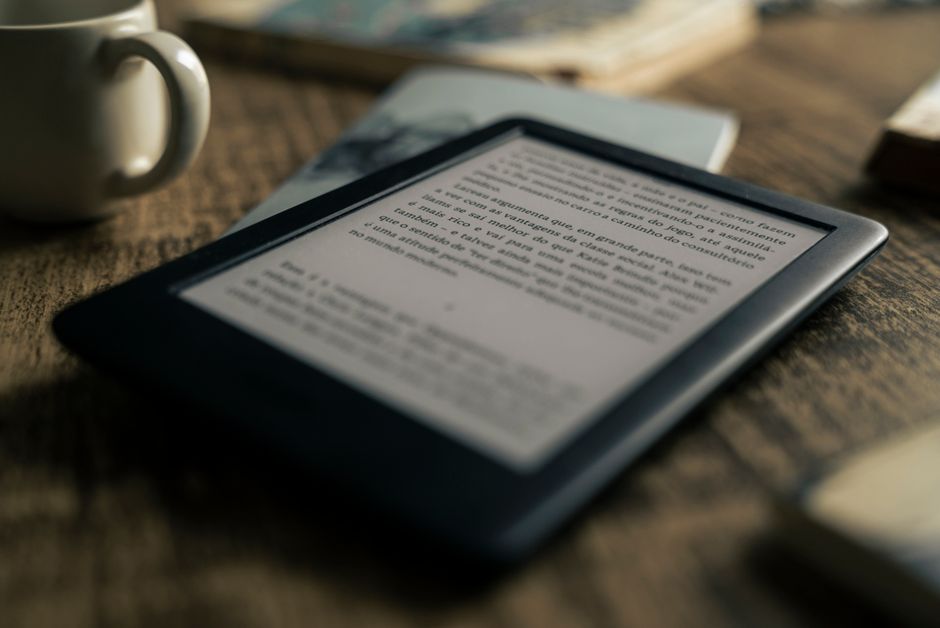
eBooks don’t have a physical size, but they do have aspect ratios and reflowability considerations. Most eReaders (Kindle, Apple Books, Kobo) reflow text to fit the device, so the source file size matters less. What matters is clean formatting, proper margins in your design, and making sure any images scale well. Xcel Graphic Services handles eBook conversion from your print files, managing all the technical details so your eBook displays perfectly across devices.