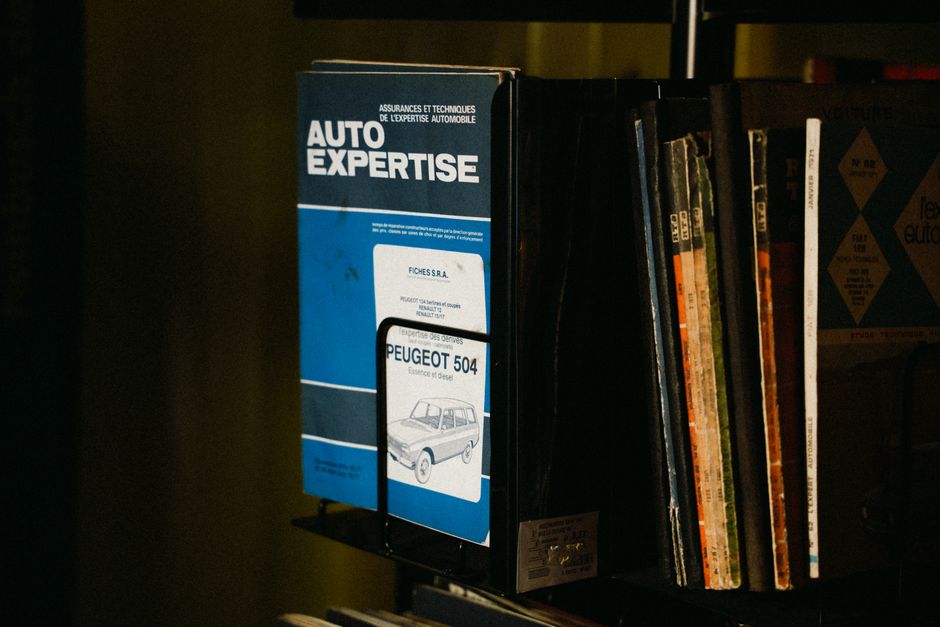
Technical books are specialized guides written by experts to teach complex skills, frameworks, and knowledge in fields like software engineering, data science, systems architecture, and emerging technologies. Unlike tutorials or documentation, they give you deep context, best practices, and real-world patterns you can apply immediately.
If you work in tech, read code, build systems, or lead teams making technical decisions, a solid technical book is one of the fastest ways to level up. Here's what you need to know about finding and using them.
Why Technical Books Matter for Your Career
Technical books aren't just reference material. They're written by people who've solved hard problems, learned from mistakes, and distilled years of experience into a few hundred pages.
A good technical book teaches you *why* something works, not just *how* to use it. That's the difference between copying code and understanding architecture.
In 2026, technical books cover everything from foundational computer science (the timeless stuff that doesn't age) to cutting-edge topics like building large language models for production and designing data-intensive applications. They bridge the gap between what you learn on the job and what you need to know to make smarter decisions.
Whether you're a developer, systems engineer, product manager, or technical leader, the right book can change how you approach your work. When you're publishing technical content yourself—whether that's documentation, training materials, or expert-written guides—Xcel Graphic Services understands the precision and clarity these materials demand.
Related: Technical Content Typesetting: Tables and Math Formatting
Related: Complex Table Typesetting for Technical Books: A Complete Guide
Related: Publishing Services: What They Include & Why You Need Them
Related: Book Editing Services: What You Need to Know
Related: Back of Book Indexing Services: What You Need to Know
Related: Professional Book Typesetting Services: What You Really Need
Related: Book Typesetting Services for Publishers: What You Need to Know

Categories of Technical Books You Should Know
Technical books fall into a few patterns. Understanding them helps you pick the right one for what you're trying to learn.
Foundational Classics
These are the books that defined entire fields. Think The C Programming Language or Design Patterns (Gang of Four). They're dense, they're not quick reads, but they teach principles that are still relevant decades later. If you're serious about computer science, these are non-negotiable.
Systems and Architecture Books
These focus on how to design and build large systems. Data-intensive applications, system design, distributed systems, TCP/IP protocols. These books teach patterns that apply to real infrastructure problems you'll actually face in production environments.
Emerging Technology Guides
Books on machine learning, LLMs, AI implementation, and other newer fields are moving fast right now. They capture the current state of knowledge and best practices as these technologies mature. They're especially valuable because the field is still evolving and books offer perspective you won't find scattered across blog posts.
Professional Development and Strategy
Modern technical books also blend boardroom dynamics with technical depth. Books that cover system design alongside decision-making, AI ethics, and business strategy recognize that technical professionals need to understand organizational impact, not just code.
How to Choose the Right Technical Book
Not every technical book is right for your skill level or your goals. Here's how to figure out which ones to invest your time in.
Know Your Current Level
Beginners need books that explain fundamentals clearly. Intermediate practitioners benefit from books that go deep into patterns and best practices. Advanced professionals might be looking for books that challenge their assumptions or cover emerging areas. Mismatching your level to the book's intended audience means wasted time.
Match the Book to Your Problem
Don't read a book just because it's popular. Read it because you're solving a specific problem or trying to understand a specific domain. If you're building distributed systems, Designing Data-Intensive Applications (Second Edition) is the standard. If you're trying to put machine learning models into production, Building LLMs for Production teaches practical implementation, not just theory.
Check the Author's Background
Who wrote this? Are they someone who's actually built the thing they're teaching about? Books written by practitioners who've shipped real projects tend to be more useful than books written by academics who've only studied the field.
Related: Academic Journal Typesetting and Production: What You Need to Know
Read Reviews From Your Peers
Check what engineers and practitioners in your field are saying. If systems architects are recommending a book, that matters more than a generic review.
The Publishing Side: Why Technical Books Need Professional Care

If you're publishing a technical book—whether you're an author, editor, or publisher—you probably already know that technical content requires a different level of precision and clarity than other writing.
Technical books need consistent formatting, accurate indexing so readers can find the specific information they need, and careful copyediting to catch not just grammar mistakes but technical inaccuracies and inconsistent terminology. The visual layout has to support code samples, diagrams, and reference material without cluttering the page.
Converting technical books to digital formats (eBooks, PDFs for tablets, etc.) adds complexity because code blocks, tables, and diagrams need to render correctly across different devices and screen sizes. When you're working with specialized publishing production services, teams that understand technical content know how to handle these challenges without losing the author's voice or the reader's ability to learn from the material.
Building Your Technical Reading List
Start with one book that directly addresses what you're trying to learn or solve right now. Don't try to read five books at once.
Mix timeless foundational material with current practical guides. You need both the deep theory and the real-world patterns.
Set a realistic pace. Technical books are dense. Reading 20 pages a week and actually understanding them beats trying to race through 50 pages and retaining nothing.
Keep notes. Highlight. Write in the margins. Technical books are tools, not just entertainment. Using them actively means capturing the ideas that matter to your work.
Revisit them. The best technical books reveal new layers when you read them again after you've gained more experience. A book that confused you two years ago might suddenly make complete sense now that you've shipped systems and learned what actually works.
Using Technical Books as a Learning Foundation
Technical books work best when they're part of a larger learning practice. Read a book, then build something that applies what you learned. Work on a system design problem. Refactor code using patterns you just read about. Teach someone else what you learned.
If you're learning a domain for the first time, a technical book gives you a map. You understand the territory before diving into specific implementation details or tribal knowledge on your team.
If you're an experienced engineer, technical books challenge your thinking and show you new patterns. They keep you from getting stuck in "this is how we've always done it."
Technical professionals who invest in reading stay ahead because they're learning from collective experience, not just from their own. The right books save you years of trial and error.
Where to Find and Access Technical Books
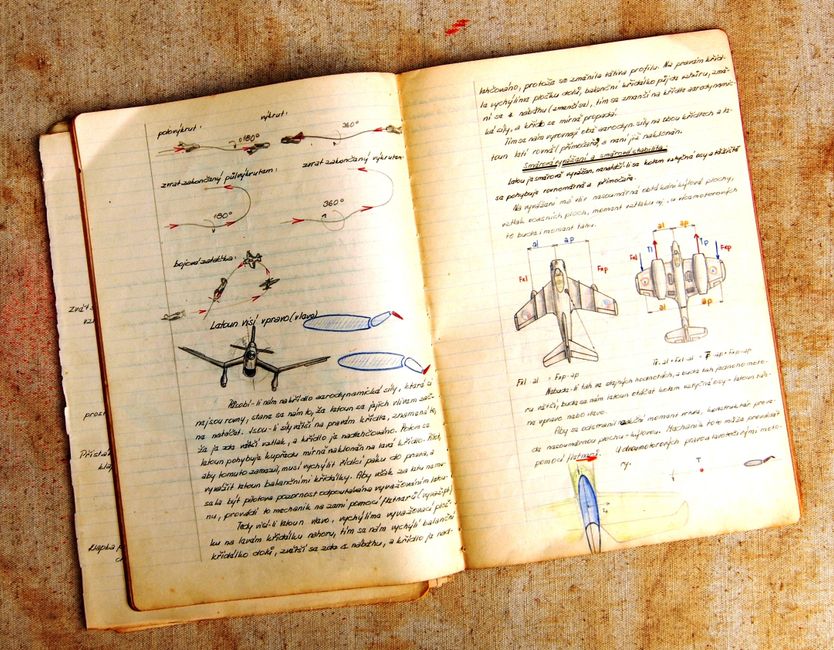
Most technical books are available in print, eBook, and sometimes audio formats. Libraries often have them. Bookstores with strong tech sections carry the current recommendations. Online retailers have extensive technical backlists.
Some technical publishers also offer digital access where you can read books online, search across titles, and sometimes get updates when new editions come out. That's useful for fields moving fast (like machine learning and AI).
For professional teams, some organizations subscribe to technical book platforms that give employees access to entire libraries. It's worth checking if your company offers that.
The key is: get your hands on the books that matter to your work. Whether that's buying them, borrowing them from a library, or accessing them through a subscription, the cost is almost always worth the knowledge you gain.
Getting Technical Content Right: Layout, Indexing, and Clarity
When you're reading a technical book, you probably don't notice all the work that went into making it readable. But if you've ever tried to read a poorly formatted technical book, you know the difference it makes.
Code samples need to be clean and easy to follow. Tables and diagrams need to be placed where they support the text, not buried where you have to flip back five pages. Terminology needs to be consistent throughout. The index needs to actually help you find what you're looking for.
These aren't small details. They're the difference between a book that teaches you and a book that frustrates you. This is where professional publishing production matters. When Xcel Graphic Services handles typesetting and layout for technical content, they're not just making it look nice. They're ensuring readers can actually use the book to learn.
Indexing technical books is its own specialty. You need someone who understands the subject matter and knows how to structure an index that actually helps readers find information by concept, not just by keywords. A strong index on a technical book means the difference between it being a one-time read and a reference you return to for years.
What makes a technical book useful after you've read it once?
A solid index, clear section headings, and a layout that lets you quickly scan for the information you need. These are the elements that turn a technical book from "something I read" into "something I reference." Professional editing ensures technical accuracy and consistent terminology so you're not confused by inconsistent explanations of the same concept.
The Future of Technical Books
Technical books aren't going anywhere. In fact, as fields like machine learning, system design, and AI ethics get more complex, there's more need for expert-written, comprehensive guides than ever.
The format is evolving though. More technical books are published with digital-first formats that work on tablets and phones. Multimedia elements (videos, interactive code samples, linked resources) are becoming more common. Updates happen faster than traditional print cycles allowed.
But the core value remains the same: a well-written technical book by an expert teaches you things that scattered documentation, blog posts, and Stack Overflow answers can't.
Should I read the latest edition of a technical book or an older one?
It depends. If the book covers foundational concepts that haven't changed (like basic algorithms or TCP/IP), older editions often work fine and might be cheaper. If the book covers a fast-moving field (machine learning, cloud architecture), you want the latest edition because the field has evolved. Check the publication date and see if the author's preface explains what changed.
Can I learn from technical books if I'm a beginner?
Yes, but choose beginner-focused technical books written for your skill level. Some classics are dense and meant for practitioners with experience. Other books are specifically written to teach fundamentals clearly. Start with books that assume less background knowledge, then move to more advanced material as you gain experience.
How long does it take to read a technical book?
It varies wildly. A slim practical guide might take a week of steady reading. A dense foundational text like The C Programming Language or a comprehensive system design book could take a month or more if you're really absorbing it. Don't rush. Technical books reward careful reading.
Are technical books worth the cost?
Almost always. The knowledge you gain from a single good technical book often translates into better decisions you make in your work, which pays for the book many times over. Think of it as an investment in your skills, not an expense.
Frequently Asked Questions
What makes a technical book useful after you've read it once?
A solid index, clear section headings, and a layout that lets you quickly scan for the information you need. These are the elements that turn a technical book from "something I read" into "something I reference." Professional editing ensures technical accuracy and consistent terminology so you're not confused by inconsistent explanations of the same concept.
Should I read the latest edition of a technical book or an older one?
It depends. If the book covers foundational concepts that haven't changed (like basic algorithms or TCP/IP), older editions often work fine and might be cheaper. If the book covers a fast-moving field (machine learning, cloud architecture), you want the latest edition because the field has evolved. Check the publication date and see if the author's preface explains what changed.
Can I learn from technical books if I'm a beginner?
Yes, but choose beginner-focused technical books written for your skill level. Some classics are dense and meant for practitioners with experience. Other books are specifically written to teach fundamentals clearly. Start with books that assume less background knowledge, then move to more advanced material as you gain experience.
How long does it take to read a technical book?
It varies wildly. A slim practical guide might take a week of steady reading. A dense foundational text like The C Programming Language or a comprehensive system design book could take a month or more if you're really absorbing it. Don't rush. Technical books reward careful reading.
Are technical books worth the cost?
Almost always. The knowledge you gain from a single good technical book often translates into better decisions you make in your work, which pays for the book many times over. Think of it as an investment in your skills, not an expense.