
If you're an academic publisher trying to get your content into digital formats that actually work across devices, EPUB conversion services are probably on your radar. Here's the thing: converting a manuscript into a proper EPUB file is way more complex than exporting a PDF. It requires technical expertise, quality control, and an understanding of how different reading platforms handle digital content.
EPUB conversion services for academic publishers handle the heavy lifting of transforming rigid documents into reflowable, responsive digital files that display correctly on e-readers, tablets, and phones. This guide walks you through what these services do, why they matter for academic content, and how to evaluate whether they're the right fit for your publishing operation.
Related: Accessible EPUB Conversion for Publishers: A Complete Guide
Related: Full Service Book Production for Publishers: Complete Guide
Related: Textbook to LMS Conversion for Publishers: A Complete Guide
What EPUB Conversion Actually Does
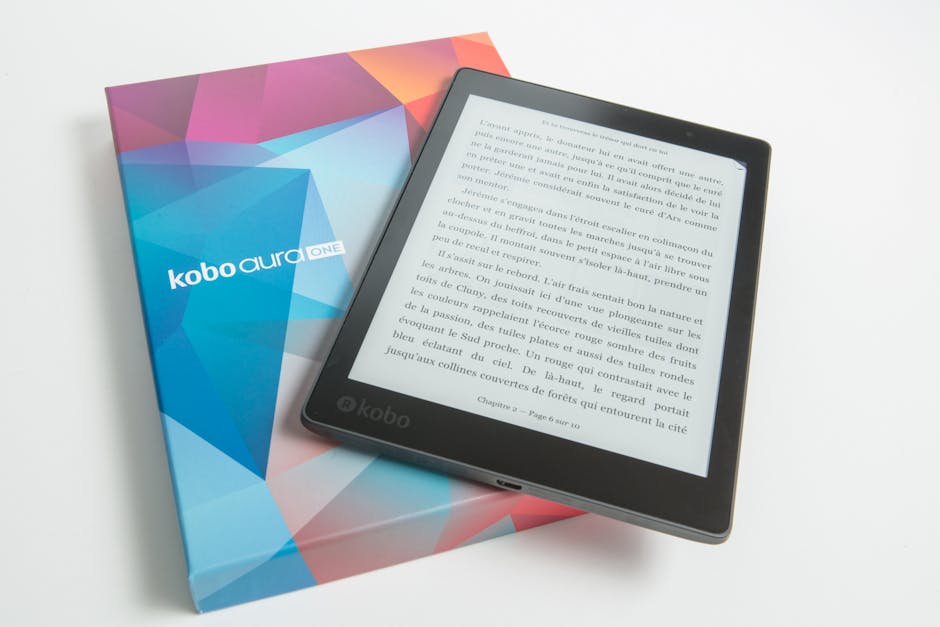
EPUB is the industry standard format for most e-books and digital publications. It's different from a PDF because it's reflowable, meaning the text adjusts to whatever screen size or font preference the reader chooses. Sounds simple, but the conversion process is intricate.
Professional EPUB conversion services take your source material (whether that's a Word document, InDesign file, PDF, or even physical pages) and restructure it into clean, semantic HTML that follows EPUB standards. This includes handling metadata, managing images, preserving formatting where it matters, and ensuring the file works properly on all major platforms like Amazon Kindle, Apple Books, Google Play Books, and smaller indie retailers.
For academic content specifically, this gets even more technical. You're dealing with complex layouts, footnotes, citations, mathematical equations, charts, tables, and sometimes specialized notation. A conversion service needs to maintain the integrity of all those elements while creating a responsive format that doesn't sacrifice readability or accuracy.
Why Academic Publishers Need Professional EPUB Conversion
You could technically convert EPUB files yourself using free tools. But academic content requires precision that DIY solutions rarely deliver. When you're publishing textbooks, research materials, or scholarly journals, layout accuracy and structural integrity aren't optional.
Professional conversion services bring several advantages. They handle source material from multiple formats and types without losing data or formatting. They ensure accessibility compliance, which is increasingly important for academic institutions and required by law in many jurisdictions. They also validate output files against platform specifications before delivery, catching errors that might otherwise cause problems when readers try to open your books.
Consider a multi-chapter academic text with cross-references, footnotes, and embedded figures. A professional conversion service ensures every cross-reference works, every footnote links correctly, and every figure appears where it's supposed to. They also create responsive layouts that maintain readability whether someone's reading on a 7-inch e-reader or a 10-inch tablet.
Key Capabilities to Look For
When evaluating EPUB conversion services for your academic publishing needs, focus on these core competencies:
- Multi-format source handling. Can they work from PDFs, Word documents, InDesign files, and other formats? Academic content often comes from mixed sources, and a good service handles that complexity without starting from scratch.
- Specialized content expertise. Look for providers experienced with academic material, including equations, citations, complex tables, and technical illustrations. Generic conversion services often struggle with scholarly content.
- Quality assurance testing. The service should validate files on multiple devices and platforms before delivering them to you. This catches display issues, broken links, and formatting problems early.
- Accessibility compliance. EPUB files should follow WCAG guidelines and EPUB accessibility standards. This ensures your content is usable for readers with disabilities and meets legal requirements.
- End-to-end support. From initial file intake through final delivery, the service should provide clear communication and manage the entire workflow. You shouldn't have to troubleshoot technical issues.
The Conversion Process Explained
Understanding the workflow helps you set realistic timelines and expectations. Here's how professional EPUB conversion typically works:
Step 1: Source File Assessment. The service reviews your manuscript or original file to understand the structure, identify special content (equations, sidebars, footnotes), and determine the best conversion approach. Different source formats require different handling strategies.
Step 2: Content Restructuring. The actual conversion happens here. The service extracts text and images, strips out unnecessary formatting code, and rebuilds the content as clean, semantic HTML that follows EPUB standards. This is where precision matters most.
Step 3: Formatting and Layout. Special elements get attention now. Equations are properly encoded, tables are restructured for reflowability, images are optimized and positioned, and interactive elements like hyperlinks and footnotes are implemented correctly.
Step 4: Metadata and Front Matter. The EPUB file gets proper metadata (title, author, ISBN, publication date, etc.), a table of contents, and front matter elements like cover, title page, and copyright information.
Step 5: Quality Assurance and Testing. Xcel Graphic Services and other professional providers test the final EPUB file on multiple devices and e-reading platforms. They verify that text displays correctly, images appear in the right places, links work, and the file meets platform specifications.

Step 6: Delivery and Support. You receive the validated EPUB file, usually along with documentation about what was converted and any notes about how the file should be used. A good service is available if questions come up during your distribution process.
Understanding Platform-Specific Requirements

One complication many publishers don't anticipate: different platforms have different requirements. Amazon Kindle has its own specifications. Apple Books follows slightly different rules. Google Play Books, Smashwords, and other retailers all have preferences or requirements.
A comprehensive EPUB conversion service understands these variations and creates files that work broadly across platforms while also preparing platform-specific versions when needed. They know that certain features render differently on Kindle versus Apple Books, and they optimize accordingly.
For academic content, this is especially important because your readers might be accessing material through their institution's e-reader apps, commercial platforms, or open access repositories. Your EPUB needs to work everywhere.
Quality Indicators and Red Flags
When choosing a conversion service, look for providers with demonstrated experience in academic and professional publishing. Ask about their portfolio, specifically examples of academic texts they've converted. Request references from publishers similar to yours.
Red flags include promises of instant conversion (good conversion takes time), lack of device testing, unclear timelines, or inability to handle specialized academic content like equations or citation formats. Also be wary of services that can't explain their quality assurance process.
Providers who communicate clearly throughout the project, ask detailed questions about your source files, and deliver documentation alongside your final EPUB are generally more reliable than those with a one-size-fits-all approach.
Integration With Your Publishing Workflow
The best EPUB conversion services integrate smoothly into your existing publishing process. This means they work with your copyediting and proofreading stages, they can accept files at various points in your production timeline, and they provide clear handoff documentation for your distribution team.
Some publishers work with services that handle multiple production stages, including typesetting, proofreading, and conversion together. This creates consistency because the same team understands your content throughout its production journey. They're familiar with your formatting choices, your citation style, and your quality standards from the beginning.
Analytics and Post-Conversion Insights
Some professional conversion services go beyond just creating the file. They can set up conversion tracking that lets you see how your EPUB performs after distribution. This means analytics on e-book sales, downloads, and reader engagement metrics across different platforms.
This data helps you understand which academic content resonates with readers and informs future publishing decisions. You see which chapters get the most engagement, where readers might be dropping off, and how your EPUB compares to your PDF version in terms of actual usage.
Common Academic Content Challenges

Academic publishers face specific conversion hurdles that generic e-book services often don't handle well.
Mathematical Equations. Converting complex equations while maintaining readability across devices requires expertise. Services need to understand MathML, LaTeX, or image-based solutions and choose the right approach for your content.
Citation Systems. Chicago, APA, MLA, Harvard, and discipline-specific citation formats all display differently in EPUB. A service experienced with academic content knows how to preserve citation integrity while creating proper hyperlinks.
Cross-References. Academic texts are full of "see Chapter 3" and footnote references. These need to work as functioning links in an EPUB, not just static text.
Multilingual Content. Academic publishing often includes multilingual material, transliterated text, or special character sets. Proper encoding ensures these display correctly on all platforms.
Supplementary Materials. Academic content frequently includes datasets, supplementary files, or linked resources. Conversion services need to understand how to structure these within EPUB limitations or link to external materials appropriately.
Cost Considerations and Project Scoping
EPUB conversion pricing typically depends on several factors: the complexity of your source material, the length of the content, how many special elements need attention, and whether you need platform-specific versions or additional services like proofreading or typesetting.
A straightforward 300-page academic text converts differently than a 500-page illustrated research volume with complex tables and mathematical content. The service you choose should provide detailed scoping and clear pricing based on your specific project requirements.
Budget for quality. A cheap conversion might save money upfront but create headaches when your EPUB doesn't work properly on certain platforms or your carefully formatted equations display incorrectly. The cost of dealing with a problematic file in production usually exceeds the small savings from cutting corners on conversion.
Getting Started With Your EPUB Conversion Project
When you're ready to move forward, gather your source files and provide detailed information about your academic content. Specify your target platforms (if you know them), your preferred citation format, any special formatting requirements, and your timeline.
Discuss accessibility requirements upfront. Academic institutions increasingly demand WCAG compliance, and creating an accessible EPUB from the start is easier than retrofitting it later. A professional service should ask about accessibility and build it into their approach automatically.
Be clear about your quality standards. If you have previous EPUB files or specific display requirements, share them. The more context you provide, the better the conversion service can meet your exact needs. Teams like those focused on academic publishing production understand how to ask these questions and translate your requirements into a solid conversion plan.
Why This Matters for Your Academic Publishing Program
Digital distribution is no longer optional for academic publishers. Your content needs to be available on e-readers, tablets, and phones in formats that actually work. A professional EPUB conversion service turns that complex technical challenge into something manageable, so you can focus on content quality rather than format headaches.
The investment in proper conversion pays off through better reader experience, broader platform distribution, compliance with accessibility standards, and cleaner integration with your publishing workflow. It's one of those backend production tasks that readers never think about but absolutely feel the impact of when it's done well.
What makes EPUB different from PDF for academic publishing?
EPUB is reflowable, meaning text adjusts to screen size and reader preferences. PDFs are fixed-layout, which looks nice on desktop but doesn't adapt well to phones or e-readers. For academic content, EPUB allows better accessibility features, easier searching, and proper functioning of hyperlinks and citations. EPUB also handles responsive images and resizable equations, whereas PDFs display everything at one fixed size.
How long does EPUB conversion typically take?
For a straightforward academic manuscript, conversion usually takes one to three weeks depending on length, complexity, and the service provider's workload. More complex projects with specialized content like mathematical equations, multilingual text, or intricate tables might take longer. Most services provide a timeline estimate after reviewing your source files.
Can I use a free EPUB conversion tool instead of paying for professional services?
Free tools exist and can work for simple content, but academic material with complex formatting, equations, citations, and cross-references usually requires professional handling. Free tools often produce EPUBs with broken links, display issues on certain platforms, or encoding problems. For academic publishing, the risk of distribution problems usually outweighs the cost savings.
Do I need separate EPUB files for different platforms like Kindle and Apple Books?
Most platforms accept a standard EPUB 3 file, but Amazon Kindle has different specifications. Some publishers use one EPUB for most retailers and create a separate Kindle-specific version. A professional conversion service can advise you on whether platform-specific versions are necessary for your content and create them if needed.
Frequently Asked Questions
What makes EPUB different from PDF for academic publishing?
EPUB is reflowable, meaning text adjusts to screen size and reader preferences. PDFs are fixed-layout, which looks nice on desktop but doesn't adapt well to phones or e-readers. For academic content, EPUB allows better accessibility features, easier searching, and proper functioning of hyperlinks and citations. EPUB also handles responsive images and resizable equations, whereas PDFs display everything at one fixed size.
How long does EPUB conversion typically take?
For a straightforward academic manuscript, conversion usually takes one to three weeks depending on length, complexity, and the service provider's workload. More complex projects with specialized content like mathematical equations, multilingual text, or intricate tables might take longer. Most services provide a timeline estimate after reviewing your source files.
Can I use a free EPUB conversion tool instead of paying for professional services?
Free tools exist and can work for simple content, but academic material with complex formatting, equations, citations, and cross-references usually requires professional handling. Free tools often produce EPUBs with broken links, display issues on certain platforms, or encoding problems. For academic publishing, the risk of distribution problems usually outweighs the cost savings.
Do I need separate EPUB files for different platforms like Kindle and Apple Books?
Most platforms accept a standard EPUB 3 file, but Amazon Kindle has different specifications. Some publishers use one EPUB for most retailers and create a separate Kindle-specific version. A professional conversion service can advise you on whether platform-specific versions are necessary for your content and create them if needed.