
eBook conversion is the process of taking your manuscript—whether it's a Word document, PDF, or even a physical book—and transforming it into a digital format that readers can access on tablets, e-readers, phones, and computers.
Unlike simply uploading a file to a retailer, proper eBook conversion ensures your content looks professional, reads smoothly on every device, and meets the technical standards that distribution platforms expect. This guide walks you through what conversion involves, why it matters, and how to approach it.
Related: What Does an eBook Designer Do? A Complete Guide
What Does eBook Conversion Actually Do?
At its core, eBook conversion restructures your content into standardized digital formats. The most common output formats are EPUB (which works on most devices), MOBI or AZW3 (Amazon's Kindle formats), and sometimes PDF for specialized use cases.
The conversion process handles more than just changing file types. A proper conversion includes:
- Stripping away print-specific formatting that breaks on screens
- Embedding fonts so text displays consistently
- Creating a navigable table of contents
- Optimizing images for different screen sizes
- Ensuring proper spacing, indentation, and paragraph breaks
- Testing the file across multiple devices to catch display problems
When you submit a manuscript to Xcel Graphic Services for eBook conversion, the team handles all of this technical work so your digital file is ready for global distribution channels.
Why Professional eBook Conversion Matters
You might wonder: can't I just save my Word document as an ebook file and call it done?
Technically, yes. Many free online conversion tools exist and are accessible from any device. They work in a pinch, but they often produce messy results.
Here's what goes wrong with quick-and-dirty conversions:
- Formatting breaks on certain devices or screen sizes
- Italics, bold, and special characters render incorrectly
- Images pile up or disappear entirely
- Readers see odd spacing or line breaks mid-sentence
- Navigation doesn't work smoothly
- The file fails validation checks required by major retailers
A reader downloading a poorly converted ebook might give up in frustration and leave a negative review. That hurts your reputation and sales.
Professional eBook conversion prepares files that actually work across devices, which means readers enjoy your book instead of fighting with the formatting.
Input Formats: What You Can Convert
Your manuscript might exist in different shapes right now. Good news—most formats can be converted.
Common input sources include:
- Microsoft Word documents (.docx)
- PDF files (especially from print publishing)
- Scanned copies of physical books
- Typeset manuscripts ready for production
- Manuscript files in other word processors
Even if your starting point is messy or came from an older software, conversion specialists can work with it. The key is understanding where your file is coming from so the converter knows what cleanup and restructuring is needed.
Output Formats: Where Your eBook Goes
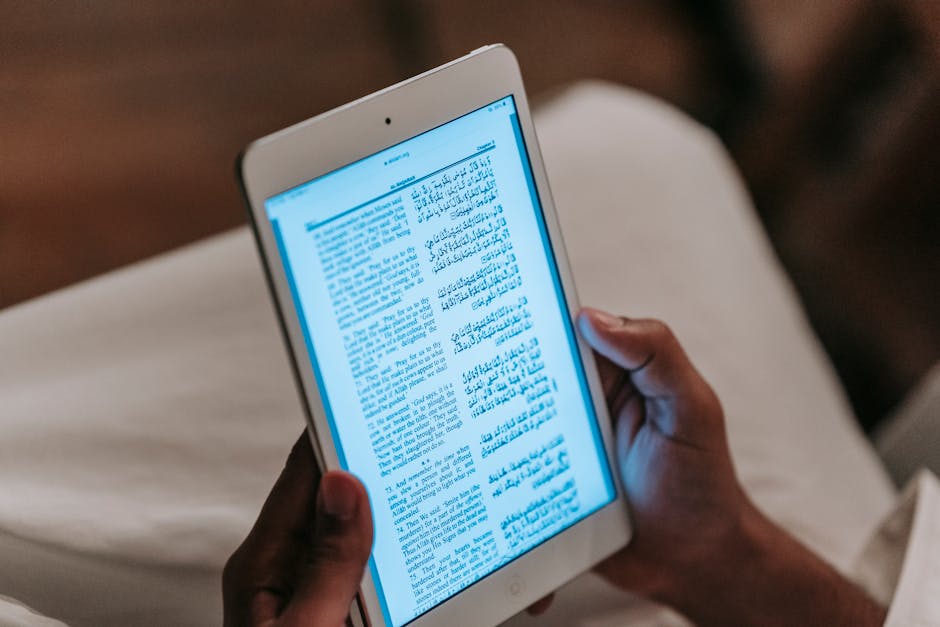
Once converted, your ebook will be available in one or more digital formats depending on where you plan to distribute.
EPUB is the universal standard. It works on most e-readers, tablets, and reading apps. If you're uploading to multiple retailers or want maximum device compatibility, EPUB is essential.
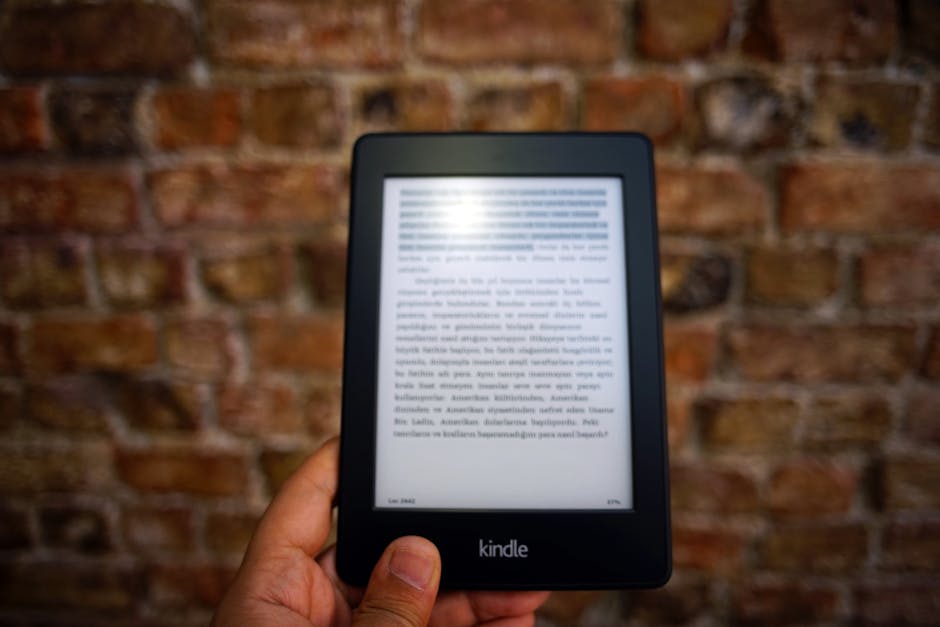
MOBI and AZW3 are Amazon's proprietary formats. If you're selling on Kindle, you'll need one of these. AZW3 is newer and handles formatting more flexibly, but older Kindle devices still need MOBI.
PDF can work for certain types of books—heavily illustrated works, textbooks, or books with complex layouts. However, PDFs don't reflow text, so reading on small screens becomes difficult.
A professional conversion service prepares multiple formats in a single project, so your book is ready for any distribution channel you choose.
How the eBook Conversion Process Works
When you decide to invest in professional conversion, here's roughly what happens:
Step 1: Submit Your Manuscript
You provide your source file—the Word document, PDF, or whatever format your manuscript currently lives in. You'll also specify which output formats you need (EPUB for Apple Books, AZW3 for Amazon, etc.).
Step 2: Assessment and Cleanup
The conversion specialist reviews your file. They identify formatting issues, inconsistent styles, images that need resizing, and any structural problems. They may clean up manual formatting that won't translate well to digital.
Step 3: Format Conversion
Your manuscript is converted into the requested digital format. This isn't a simple file export—it's a rebuild that prioritizes readability and device compatibility over how it looked in Word.
Step 4: Testing and Refinement
The converted file is tested on actual devices and reading apps to catch problems. Does the table of contents link properly? Do images display at the right size? Do page breaks look natural?
Step 5: Delivery
You receive polished, validated files ready for uploading to retailers or distribution platforms.
This is where working with Xcel Graphic Services streamlines your publishing journey—the team handles the technical complexity so you can focus on your content and launch timeline.
Free Tools vs. Professional Services
Free conversion tools serve a purpose. They're accessible from any device, they're fast, and they cost nothing. If your manuscript has minimal formatting and you're comfortable troubleshooting problems yourself, they might work.
Professional eBook conversion, by contrast, gives you:
- Expertise in formatting standards and retailer requirements
- Device testing and quality assurance
- Support for complex manuscripts (academic work, illustrated books, books with sidebars)
- Files that are validation-ready and retailer-compliant
- A finished product that reflects well on your brand
The choice depends on your goals, your manuscript's complexity, and how much time you want to spend troubleshooting.
Preparing Your Manuscript for Conversion
Before you send your file for conversion, clean it up. This saves time and prevents errors.
Remove manual formatting. Delete extra spaces between paragraphs. Turn off double-spacing. Use actual indent and spacing controls instead of tabs or spaces.
Standardize your styles. Use consistent heading levels. Apply the same font and size to similar text. This makes the converter's job easier and results look more professional.
Organize your images. Place images where they belong in the text. Make sure they're high-quality (but not huge file sizes). Label them clearly so the converter knows whether they're figures, plates, or chapter art.
Check your front matter. Make sure your title page, copyright page, and table of contents are complete and properly labeled.
Fix obvious typos and errors. Conversion doesn't fix content problems—it only reformats. Send your best version.
When you work with a service provider like Xcel Graphic Services for eBook conversion, the team will give you specific preparation guidelines so your manuscript is optimized for the digital format.
Related: What Are eBook Services? A Guide to Digital Publishing
Mobile and Cross-Device Compatibility
Your readers will access your ebook on phones, tablets, e-ink readers, and computers. A properly converted ebook adapts to all these screens.
EPUB and Kindle formats are reflowable, meaning the text resizes and rewraps to fit whatever screen is displaying it. This flexibility is what makes ebooks truly digital—no scrolling horizontally or struggling with tiny text.
That said, some content doesn't reflow well. Complex tables, sidebars, and heavily illustrated layouts sometimes need special handling in conversion to remain readable on mobile devices. This is another reason professional conversion adds value—specialists know how to handle these edge cases.
Global Distribution and Format Standards
If you're selling internationally, your ebook needs to meet global distribution standards. Different retailers have different requirements, and failing to meet them means your book gets rejected or displays poorly.
Major retailers (like Amazon, Apple Books, and others) validate ebook files before accepting them. They check for proper structure, metadata, image encoding, and many other technical details. A file that passes validation is market-ready.
Professional eBook conversion services ensure your files are validation-ready from the start. This saves you the headache of rejected submissions or having to re-upload after fixes.
When to Convert: Timing in Your Publishing Journey
eBook conversion typically happens after your manuscript is finalized but before you're ready to sell. If your book is going to print and digital simultaneously, the ebook version is often converted from the print-ready file.
If you're publishing digital-first, conversion can happen as soon as your manuscript is edited and typeset to your satisfaction.
The timeline depends on your manuscript's complexity and the service provider's workload. Simple novels convert quickly. Academic books or heavily illustrated works take longer.
Common Questions About eBook Conversion
Can I convert my print book to an ebook?
Yes. If you have a PDF of your printed book, it can be converted to EPUB, Kindle, or other digital formats. The conversion process rebuilds the content to work on screens, since print layout and digital layout are fundamentally different. Scanned copies of physical books can also be converted, though they require more preparation.
What if my ebook doesn't look right on a specific device?
This is frustrating but fixable. Device testing during the conversion process catches most issues. If a problem appears after launch, the converted file can be revised and re-uploaded. This is why working with professionals reduces the risk—they catch and fix problems before your readers see them.
Do I need multiple formats, or will EPUB work for everything?
EPUB is universal, but if you want to sell on Amazon, you need a Kindle format (MOBI or AZW3). Many authors convert to multiple formats to maximize distribution options. A professional conversion service can produce all required formats in one project.
How much does eBook conversion cost?
Pricing depends on your manuscript's length, complexity, the number of formats you need, and your timeline. A simple novel costs less than an academic book full of images and tables. Contact Xcel Graphic Services
Frequently Asked Questions
Can I convert my print book to an ebook?
Yes. If you have a PDF of your printed book, it can be converted to EPUB, Kindle, or other digital formats. The conversion process rebuilds the content to work on screens, since print layout and digital layout are fundamentally different. Scanned copies of physical books can also be converted, though they require more preparation.
What if my ebook doesn't look right on a specific device?
This is frustrating but fixable. Device testing during the conversion process catches most issues. If a problem appears after launch, the converted file can be revised and re-uploaded. This is why working with professionals reduces the risk—they catch and fix problems before your readers see them.
Do I need multiple formats, or will EPUB work for everything?
EPUB is universal, but if you want to sell on Amazon, you need a Kindle format (MOBI or AZW3). Many authors convert to multiple formats to maximize distribution options. A professional conversion service can produce all required formats in one project.
How much does eBook conversion cost?
Pricing depends on your manuscript's length, complexity, the number of formats you need, and your timeline. A simple novel costs less than an academic book full of images and tables. Contact Xcel Graphic Services