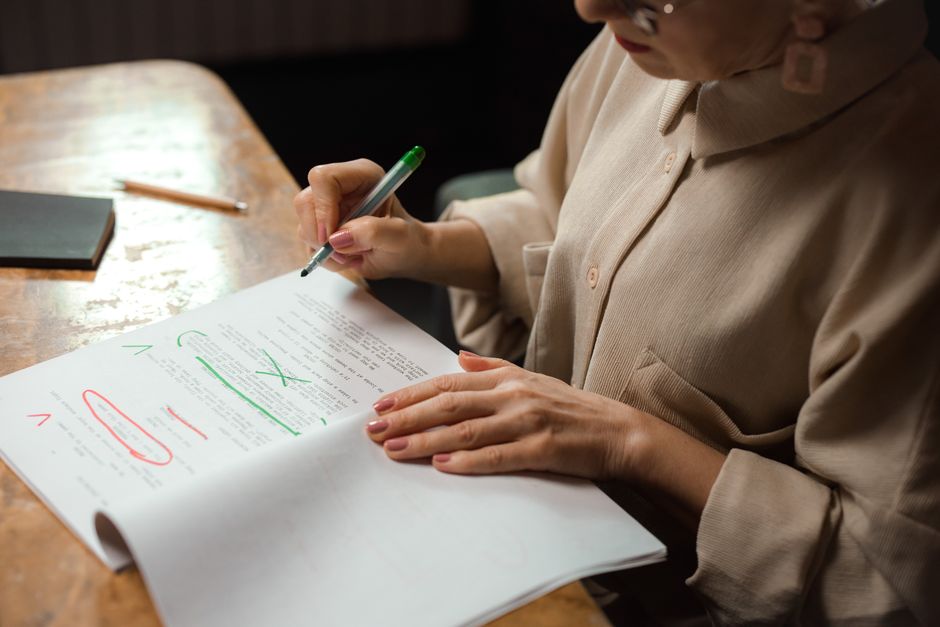
Copyediting and Proofreading for Publishers: The Basics
Your manuscript is done. You've written it, revised it, maybe even had a friend read it. But there's still a critical gap between a finished draft and a book that's actually ready to publish.
That's where copyediting and proofreading for publishers come in. These two services catch what you'll miss. They're not the same thing, and understanding the difference matters if you're responsible for getting books out the door.
What Copyediting Actually Does
Copyediting is the heavy lifter in your editorial workflow. A copyeditor works through your manuscript line by line, fixing more than just typos.
Here's what copyeditors tackle:
- Spelling errors and typos
- Grammar and punctuation mistakes
- Awkward sentence structure and syntax problems
- Inconsistent word choice and usage
- Style consistency throughout the entire book
- Overall readability and flow
A copyeditor isn't rewriting your book or changing your voice. They're making sure every sentence is technically sound, consistent, and as clear as possible.
This is detailed, thoughtful work. It takes time. And it costs more than proofreading because it requires deeper editorial skill.
Proofreading Is the Final Safety Net
Proofreading happens after copyediting, usually after the manuscript has been typeset and formatted for publication.
A proofreader's job is narrower and more focused. They're looking for the errors that slipped through earlier stages. Think of it as your last chance to catch mistakes before the book goes to print or digital distribution.
Proofreaders check spelling, punctuation, spacing issues, and formatting errors. They're not rewriting sentences or fixing structural problems. That's already been done.
Why These Are Different Roles

It's tempting to think one person could do both. But copyediting and proofreading require different skill sets and different mindsets.
Copyeditors need editorial judgment. They make calls about tone, clarity, and style. Proofreaders need precision and an eye for detail. They're comparing the typeset version against the original manuscript, making sure nothing got lost in formatting.
Using the same person for both means they have to switch gears mentally, and that's where mistakes hide. Fresh eyes at each stage catch more.
Who Hires Copyeditors and Proofreaders
In most publishing houses, the production editor is the one who builds and manages the editorial team.
If you're a production editor, you're responsible for finding copyeditors and proofreaders, assigning projects, managing timelines, and making sure the work meets your standards. That's a lot on your plate.
Some publishers keep freelancers on retainer. Others hire on a project-by-project basis. Both approaches work, depending on your volume and budget.
How Copyeditors and Proofreaders Get Paid
Most copyeditors and proofreaders work on an hourly rate. You pay them for their time, not per word or per page.
Why hourly? Because the work is inconsistent. Some manuscripts need light copyediting. Others are heavy lifts. Some are clean and easy to proofread. Others are messy and require more passes.
Copyeditors command higher hourly rates than proofreaders because they bring more specialized editorial expertise. If you're budgeting for both services, expect copyediting to be the bigger line item.
Professional Training and Credentials

Copyediting and proofreading aren't fields where just anyone can jump in. Formal training courses exist for both roles.
When you're hiring, look for copyeditors and proofreaders who have taken professional courses in their craft. It shows they take the work seriously and understand industry standards.
That said, experience matters too. Someone who's been copyediting textbooks for five years knows things that no course teaches.
Related: Textbook to LMS Conversion for Publishers: A Complete Guide
Beyond Copyediting and Proofreading
Some editorial professionals offer expanded services alongside copyediting and proofreading. You might find developmental editing, line editing, or fact-checking rolled into a broader editorial package.
Related: Copyediting Markup Standards for Publishers: A Complete Guide
Related: Proofreading Checklist for Academic Journals: Complete Guide
Related: Copyediting Standards for Academic Manuscripts: A Complete Guide
Related: Professional Copyediting for Journal Submissions: A Complete Guide
Developmental editing is big-picture work. It happens early, before copyediting. A developmental editor looks at structure, organization, and whether the manuscript does what it sets out to do.
Line editing is middle ground. It's more detailed than developmental editing but less comprehensive than copyediting. Line editors focus on clarity, flow, and sentence-level revision.
If your manuscript needs work beyond basic copyediting and proofreading, ask about these services when you're vetting potential hires.
Flexible Hiring Options for Publishers
You don't have to commit to full-time editors if you don't need them. Copyeditors and proofreaders typically work on flexible arrangements.
You can hire someone hourly for a single project. You can bring them on part-time if you have steady work. Or you can negotiate a full-time contract if you're running a large publishing operation with constant workflow.
This flexibility is one reason publishing houses depend on freelance editorial talent. You scale your team based on demand.
Building Your Editorial Workflow
The smartest publishing teams treat copyediting and proofreading as separate stages with separate people.
Here's a typical flow: manuscript comes in, developmental editor reviews big-picture issues, copyeditor does detailed line work, manuscript goes to typesetting, proofreader catches formatting and final errors, book ships.
If you're outsourcing editorial services, make sure you're clear about what each person is responsible for. Overlap creates confusion. Gaps let mistakes slip through.
Companies like Xcel Graphic Services handle copyediting and proofreading as part of a full publishing production workflow, which means you get consistency and quality control across all stages of preparation.
Common Questions About Copyediting and Proofreading
Do I really need both copyediting and proofreading?
Yes, if you want a polished final product. Copyediting catches substantive errors and improves clarity. Proofreading catches the mistakes that happen during typesetting and formatting. Both stages protect your reputation and your readers' experience.
How long does copyediting and proofreading take?
It depends on manuscript length, complexity, and how much work needs to be done. A heavily edited academic text takes longer than a clean, straightforward manuscript. Ask your copyeditor and proofreader for time estimates based on your specific project.
Can one person do both copyediting and proofreading?
Technically, yes. But it's not ideal. Someone doing both jobs has to switch focus, which increases the risk of missing errors. Fresh eyes at each stage catch more mistakes and improve overall quality.
What should I look for when hiring a copyeditor or proofreader?
Look for professional training or formal credentials in editorial work, relevant experience with your type of content, and a clear understanding of your style guide and publishing standards. Ask for samples of their work and check references if possible.
Frequently Asked Questions
Do I really need both copyediting and proofreading?
Yes, if you want a polished final product. Copyediting catches substantive errors and improves clarity. Proofreading catches the mistakes that happen during typesetting and formatting. Both stages protect your reputation and your readers' experience.
How long does copyediting and proofreading take?
It depends on manuscript length, complexity, and how much work needs to be done. A heavily edited academic text takes longer than a clean, straightforward manuscript. Ask your copyeditor and proofreader for time estimates based on your specific project.
Can one person do both copyediting and proofreading?
Technically, yes. But it's not ideal. Someone doing both jobs has to switch focus, which increases the risk of missing errors. Fresh eyes at each stage catch more mistakes and improve overall quality.
What should I look for when hiring a copyeditor or proofreader?
Look for professional training or formal credentials in editorial work, relevant experience with your type of content, and a clear understanding of your style guide and publishing standards. Ask for samples of their work and check references if possible.